adnan923060792027@gmail.com

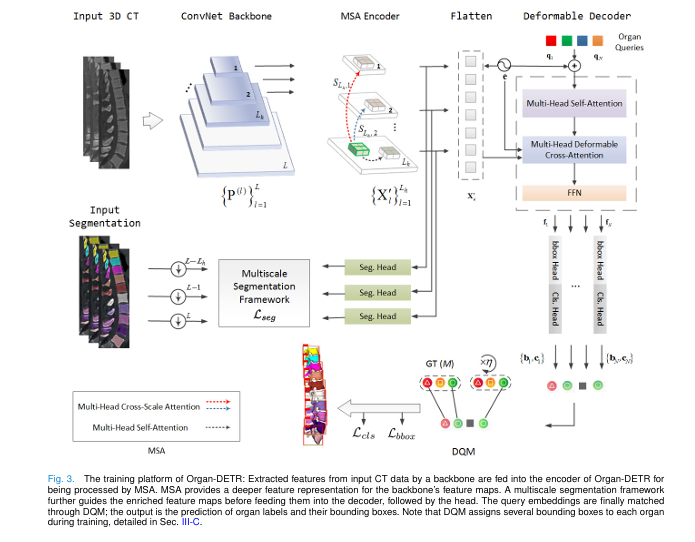
rgan-DETR model detecting liver and postcava in 3D Organ Detection CT scan with bounding boxes, outperforming traditional methods.

Revolutionary Breakthroughs in 3D Organ Detection: How Organ-DETR Outperforms Old Methods (+10.6 mAP Gain!)

In the rapidly evolving world of medical imaging, accurate and fast 3D organ detection is no longer a luxury—it’s a necessity. From early cancer diagnosis to surgical planning, the ability to precisely locate organs in Computed Tomography (CT) scans can mean the difference between life and death. Yet, despite decades of progress, existing methods still […]
Revolutionary Breakthroughs in 3D Organ Detection: How Organ-DETR Outperforms Old Methods (+10.6 mAP Gain!) Read More »

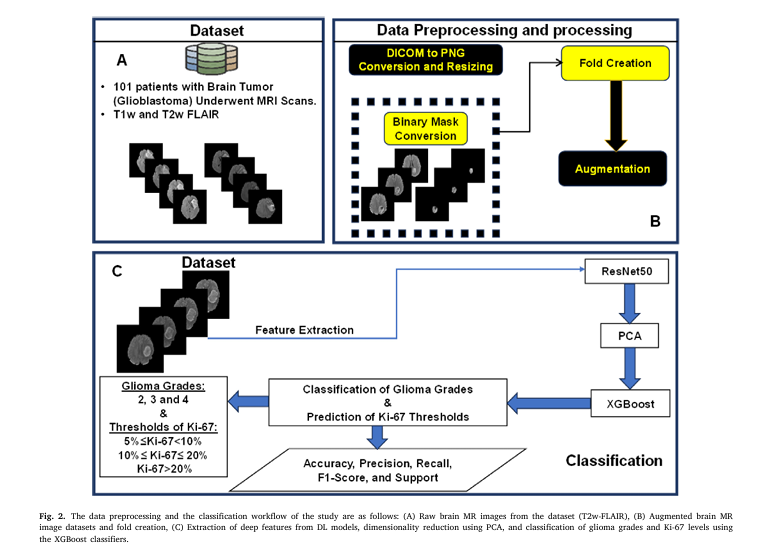
AI-powered glioma grading using ResNet50, SHAP analysis, and XGBoost for non-invasive brain tumor grading and Ki-67 prediction in MRI scans

7 Breakthrough AI Insights: How Machine Learning Predicts Glioma Grading

Revolutionizing Brain Tumor Diagnosis: The Future of AI in Glioma Classification In the high-stakes world of neuro-oncology, accuracy saves lives — and misdiagnosis can be fatal. Gliomas, the most aggressive primary brain tumors in adults, have a median survival of just 15 months. Traditional diagnosis relies on invasive biopsies and subjective histopathological analysis. But what

7 Breakthrough AI Insights: How Machine Learning Predicts Glioma Grading Read More »

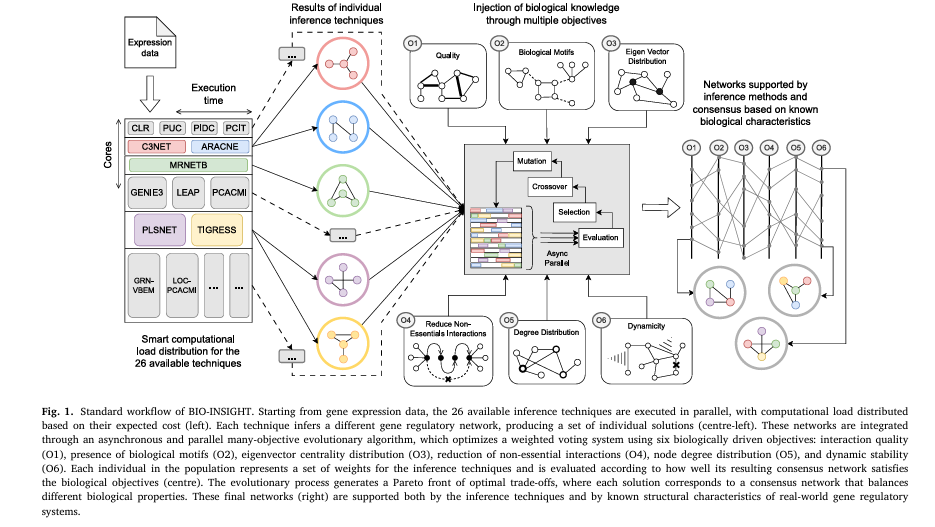
BIO-INSIGHT workflow with gene network mapping

7 Revolutionary Breakthroughs in Gene Network Mapping

7 Revolutionary Breakthroughs in Gene Network Mapping (And 1 Costly Mistake to Avoid) In the fast-evolving world of computational biology, one challenge has remained stubbornly complex: mapping gene regulatory networks (GRNs). These intricate systems control how genes turn on and off, shaping everything from cell development to disease progression. For years, scientists have struggled with

7 Revolutionary Breakthroughs in Gene Network Mapping Read More »

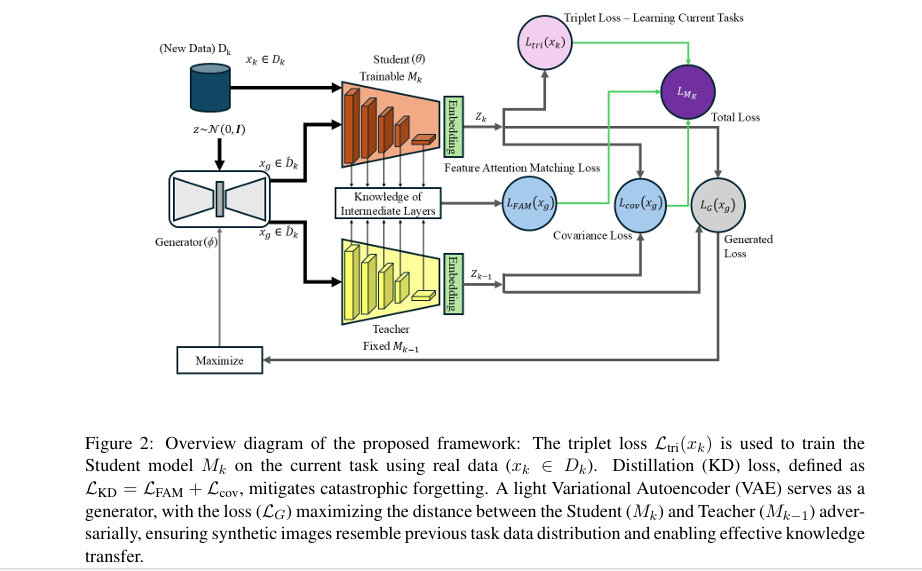
knowledge distillation model for medical diagnosis

7 Shocking Ways AI Fails at Medical Diagnosis (And the Brilliant Fix That Saves Lives)

Imagine an AI radiologist who, after learning to detect prostate cancer from MRI scans, suddenly forgets everything it knew about lung nodules when shown new chest X-rays. This isn’t a plot from a sci-fi movie—it’s a real and pressing problem in artificial intelligence called catastrophic forgetting. In the high-stakes world of medical diagnostics, where every

7 Shocking Ways AI Fails at Medical Diagnosis (And the Brilliant Fix That Saves Lives) Read More »

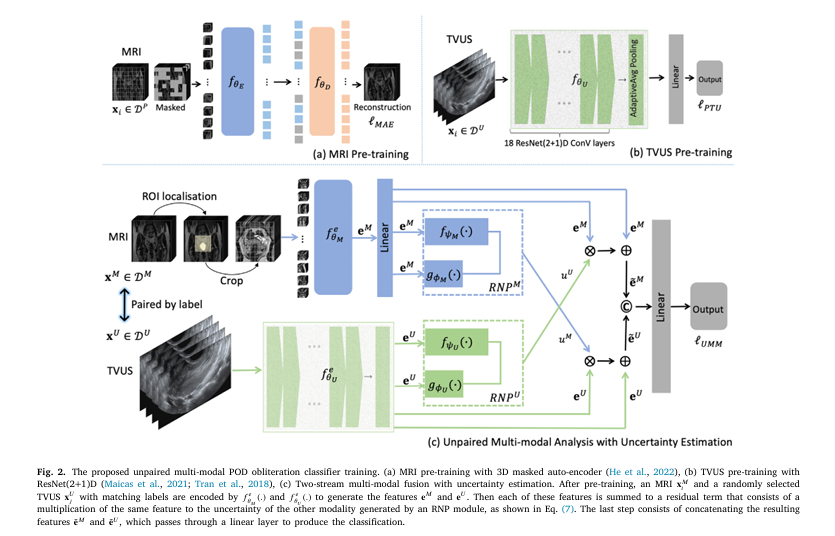
AI-powered endometriosis detection using MRI and ultrasound – a side-by-side comparison of normal and obliterated Pouch of Douglas with algorithmic heatmaps showing automated diagnosis

7 Revolutionary Breakthroughs in Endometriosis Detection: How AI is Transforming Diagnosis

Endometriosis affects 176 million women worldwide, yet diagnosis takes an average of 7–10 years—a delay that devastates lives, careers, and fertility. The gold standard, laparoscopy, is invasive and costly. While transvaginal ultrasound (TVUS) and MRI offer non-invasive alternatives, their diagnostic accuracy varies dramatically: TVUS can reach 95% with expert sonographers, but MRI often falls below

7 Revolutionary Breakthroughs in Endometriosis Detection: How AI is Transforming Diagnosis Read More »

Swapped Logit Distillation model

7 Revolutionary Breakthroughs in Knowledge Distillation: Why Swapped Logit Distillation Outperforms Old Methods

The Hidden Flaw in Traditional Knowledge Distillation (And How SLD Fixes It) In the fast-evolving world of AI and deep learning, model compression has become a necessity — especially for deploying powerful neural networks on mobile devices, edge computing systems, and real-time applications. Among the most effective techniques is Knowledge Distillation (KD), where a large

7 Revolutionary Breakthroughs in Knowledge Distillation: Why Swapped Logit Distillation Outperforms Old Methods Read More »

Infographic: HTA-KL divergence slashes SNN error rates and energy use by balancing head-tail learning in just 2 timesteps

7 Shocking Breakthroughs in Spiking Neural Networks: How HTA-KL Crushes Accuracy & Efficiency

In the rapidly evolving world of artificial intelligence, Spiking Neural Networks (SNNs) are emerging as a powerful yet underperforming alternative to traditional Artificial Neural Networks (ANNs). While SNNs promise ultra-low energy consumption and biological plausibility, they often lag behind in accuracy—especially when trained directly. But what if we could close this gap without sacrificing efficiency?

7 Shocking Breakthroughs in Spiking Neural Networks: How HTA-KL Crushes Accuracy & Efficiency Read More »

UMKD — a revolutionary AI framework for disease grading

7 Revolutionary Breakthroughs in AI Disease Grading — The Good, the Bad, and the Future of UMKD

In the rapidly evolving world of medical artificial intelligence, a groundbreaking new study titled “Uncertainty-Aware Multi-Expert Knowledge Distillation for Imbalanced Disease Grading” has emerged as a beacon of innovation — and urgency. Published by researchers from Zhejiang University and Huazhong University of Science and Technology, this paper introduces UMKD, a powerful new framework that could

7 Revolutionary Breakthroughs in AI Disease Grading — The Good, the Bad, and the Future of UMKD Read More »

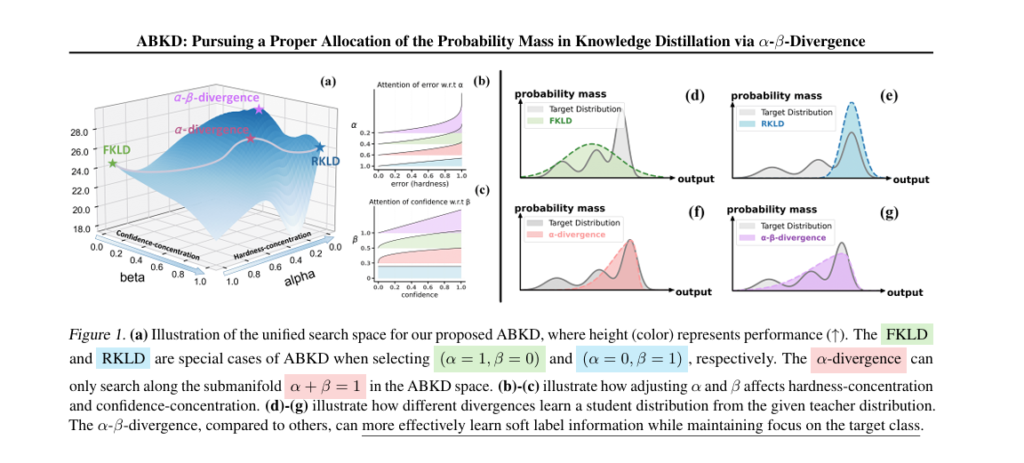
ABKD Knowledge Distillation Model

7 Shocking Mistakes in Knowledge Distillation (And the 1 Breakthrough Fix That Changes Everything)

The Hidden Flaw in Modern AI Training (And How a New Paper Just Fixed It) In the race to build smarter, faster, and smaller AI models, knowledge distillation (KD) has become a cornerstone technique. It allows large, powerful “teacher” models to transfer their wisdom to compact “student” models—making AI more efficient without sacrificing performance. But

7 Shocking Mistakes in Knowledge Distillation (And the 1 Breakthrough Fix That Changes Everything) Read More »

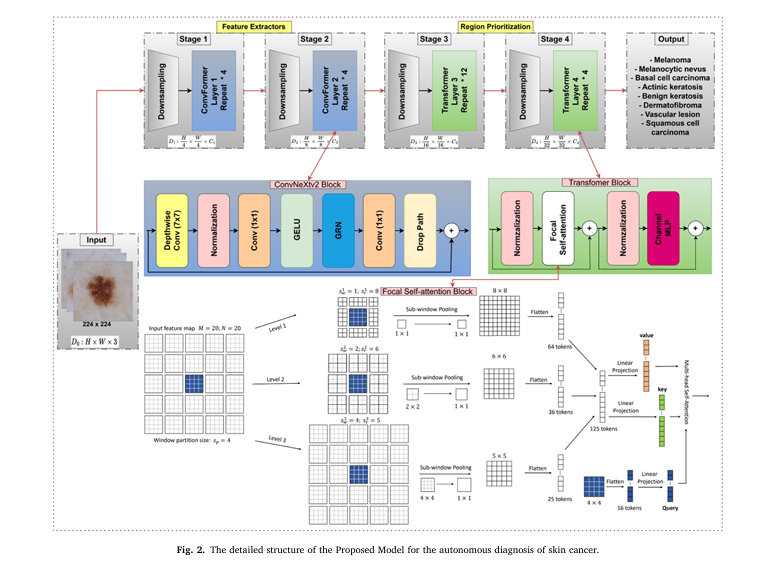
ConvNeXtV2 with Focal Self-Attention for skin cancer detection

Revolutionary Breakthroughs in Skin Cancer Detection: ConvNeXtV2 & Focal Attention

Introduction: The Silent Crisis in Skin Cancer Diagnosis Skin cancer is one of the most prevalent forms of cancer worldwide, with over 3 million cases diagnosed annually in the U.S. alone. Despite advances in dermatology, early detection remains a critical challenge — especially for aggressive types like melanoma (MEL), basal cell carcinoma (BCC), and squamous

Revolutionary Breakthroughs in Skin Cancer Detection: ConvNeXtV2 & Focal Attention Read More »

Follow by Email
Tiktok