Deep learning

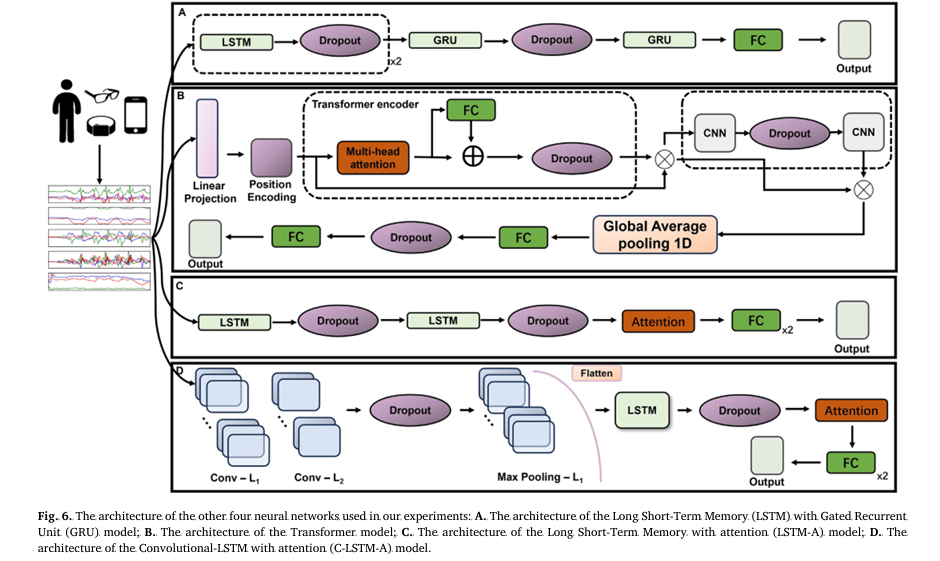
Infographic showing a person wearing smart sensors while AI models analyze activity data in real-time, highlighting accuracy, bias, and model performance trade-offs in healthcare applications.

7 Shocking Truths About Wearable AI in Healthcare: The Good, The Bad, and The Overhyped

In the rapidly evolving world of digital health, wearable AI for human activity recognition (HAR) is being hailed as a revolutionary tool—promising to transform elder care, chronic disease management, and rehabilitation. But how much of the hype is real, and how much is overblown? A groundbreaking 2025 study published in Neurocomputing dives deep into this […]

7 Shocking Truths About Wearable AI in Healthcare: The Good, The Bad, and The Overhyped Read More »
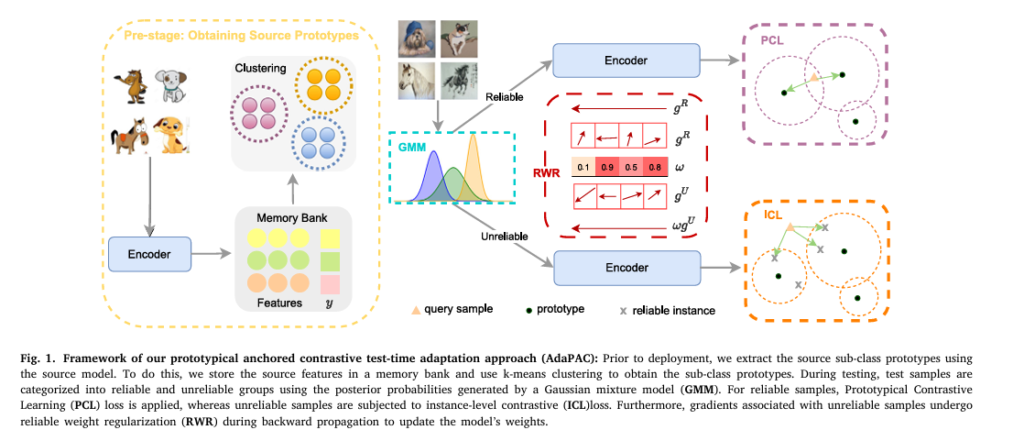
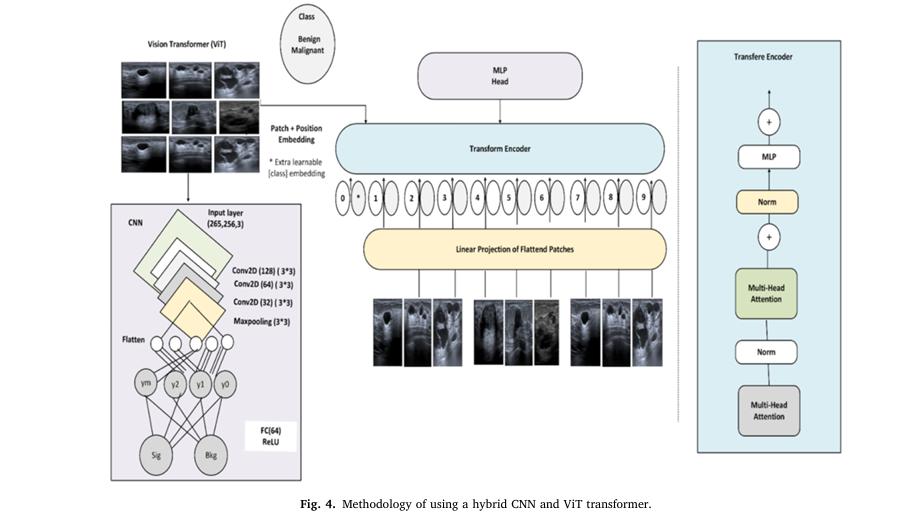
Diagram showing how AdaPAC improves AI model accuracy by aligning test data with source prototypes using contrastive learning – a breakthrough in domain generalization.

Shocking Failures of Standard AI Models (And the 1 Solution That Fixes Them All) – AdaPAC Explained

In the fast-evolving world of artificial intelligence, deep learning models are expected to perform flawlessly across diverse environments — from self-driving cars navigating foggy streets to medical imaging systems diagnosing rare conditions. But here’s the shocking truth: most AI models fail when faced with real-world data shifts. A groundbreaking new study titled “AdaPAC: Prototypical Anchored

Shocking Failures of Standard AI Models (And the 1 Solution That Fixes Them All) – AdaPAC Explained Read More »

Hybrid CNN-ViT model analyzing breast ultrasound images from the KAUH-BCUSD dataset, achieving 95.12% classification accuracy.”

Revolutionary Breakthroughs in Breast Cancer Detection: The +95% Accuracy Model vs. Outdated Methods

Breast cancer remains the leading cause of cancer-related deaths among women worldwide—but what if we told you a new AI-powered breakthrough could change that forever? In a landmark study published in Intelligence-Based Medicine, researchers from Jordan have unveiled a hybrid deep learning model that achieves an astonishing 95.12% accuracy in classifying breast tumors from ultrasound

Revolutionary Breakthroughs in Breast Cancer Detection: The +95% Accuracy Model vs. Outdated Methods Read More »

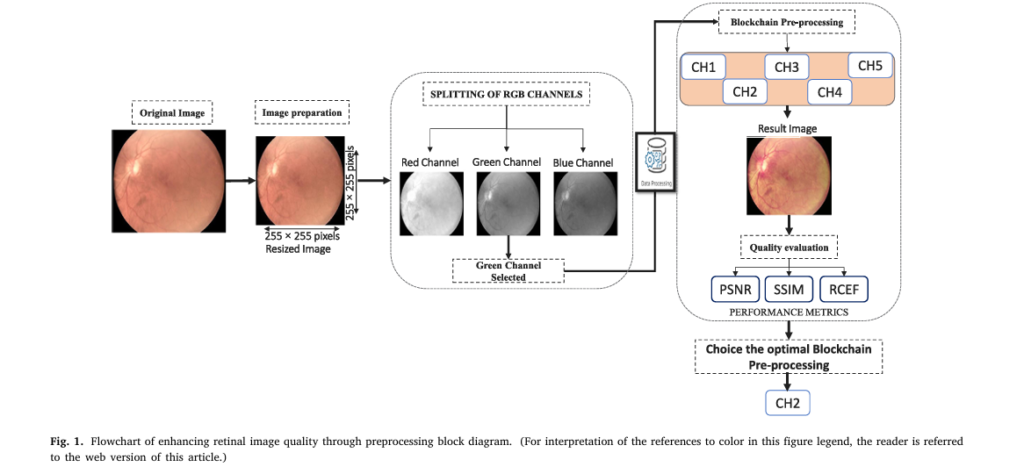
AI analyzing retinal scan on smartphone – real-time diabetic retinopathy detection using DenseNet-121 and oDocs nun IR camera”

7 Revolutionary Breakthroughs in Diabetic Retinopathy Detection – How AI Is Saving Sight (And Why Most Mobile Apps Fail)

The Silent Thief of Sight: Diabetic Retinopathy’s Global Crisis Every 20 seconds, someone in the world loses their vision due to diabetic retinopathy (DR)—a complication of diabetes that damages the retina. With over 463 million diabetics globally—a number projected to rise to 700 million by 2025—DR has become the leading cause of preventable blindness in

7 Revolutionary Breakthroughs in Diabetic Retinopathy Detection – How AI Is Saving Sight (And Why Most Mobile Apps Fail) Read More »

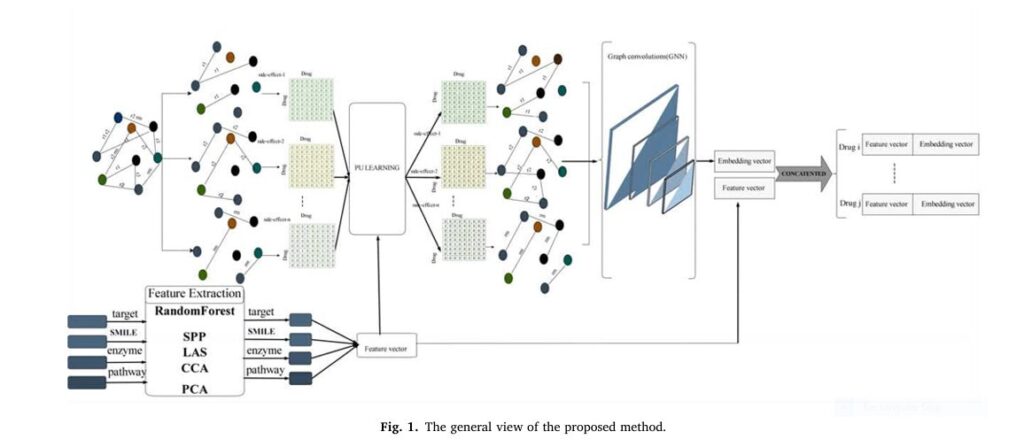
Infographic showing the PU-MLP model workflow: from drug feature extraction to AI-powered side effect prediction, preventing dangerous polypharmacy interactions.

7 Shocking Side Effects of Polypharmacy — And How This 99% Accurate AI Model (PU-MLP) Can Prevent ThemPU-MLPSide Effects of Polypharmacy

The Hidden Danger of Taking Multiple Medications — And the AI Revolution Saving Lives Every year, millions of patients suffer preventable harm due to polypharmacy — the simultaneous use of multiple medications. While often necessary, especially for elderly or chronically ill patients, combining drugs can trigger dangerous, unpredictable side effects caused by drug-drug interactions (DDIs).

7 Shocking Side Effects of Polypharmacy — And How This 99% Accurate AI Model (PU-MLP) Can Prevent ThemPU-MLPSide Effects of Polypharmacy Read More »

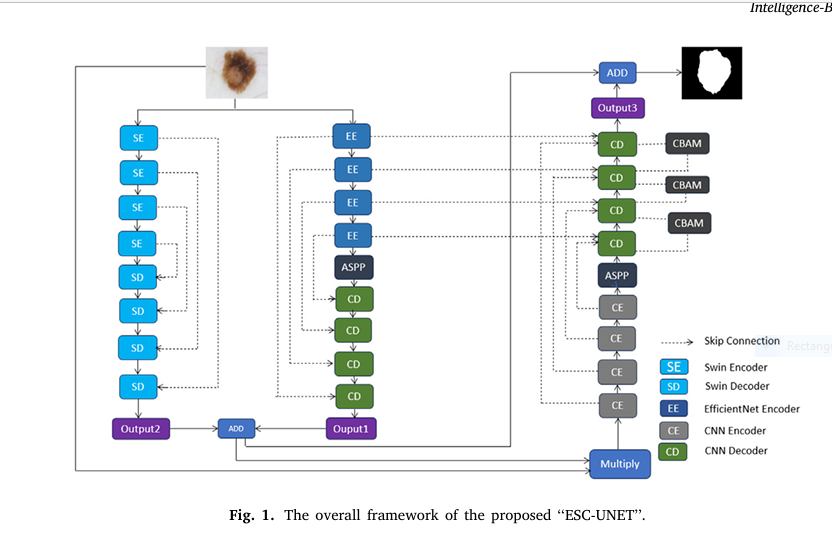
Visual comparison of skin lesion segmentation using U-Net, Att-UNet, and ESC-UNET on ISIC 2016 dataset showing superior edge detection and accuracy of ESC-UNET.

7 Revolutionary Breakthroughs in Skin Lesion Segmentation — The Dark Truth About Traditional Methods vs. ESC-UNET’s AI Power

Why 99.5% of Melanoma Patients Survive — But Only If We Catch It Early Melanoma is a silent killer. Yet, if detected early, 99.5% of patients survive. Wait until it spreads, and survival plummets to just 14%. This shocking contrast underscores a critical truth in modern medicine: early detection saves lives. And at the heart

7 Revolutionary Breakthroughs in Skin Lesion Segmentation — The Dark Truth About Traditional Methods vs. ESC-UNET’s AI Power Read More »

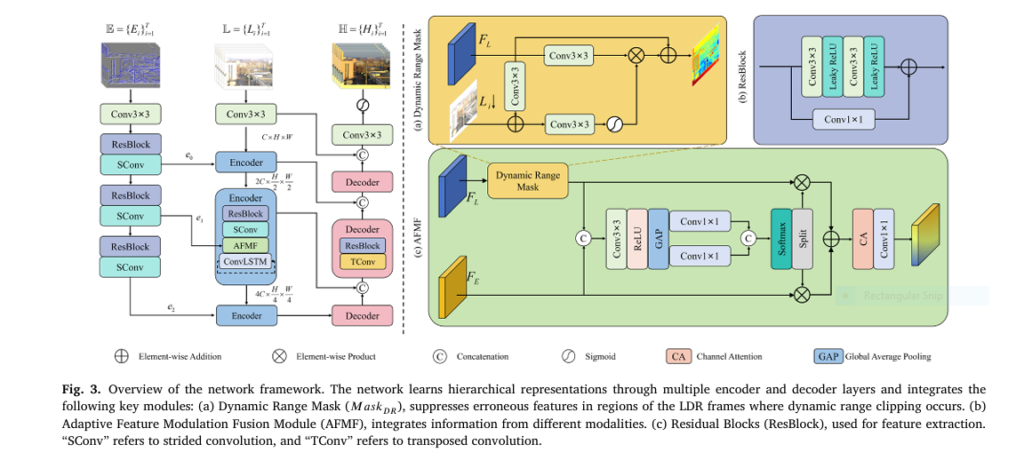
Infographic showing a split scene: a bright, detailed HDR video reconstruction on the left, a washed-out LDR image on the right, with event camera data streams flowing between them.

7 Revolutionary Breakthroughs in HDR Video (and the 1 Fatal Flaw Holding It Back)

The HDR Video Revolution: Why Your Camera Can’t See What You Can Have you ever tried to capture a sunset, only to end up with a black silhouette against a blazing, detail-less sky? Or struggled to see textures in a dimly lit room while the window behind is blown out? This is the frustrating reality

7 Revolutionary Breakthroughs in HDR Video (and the 1 Fatal Flaw Holding It Back) Read More »

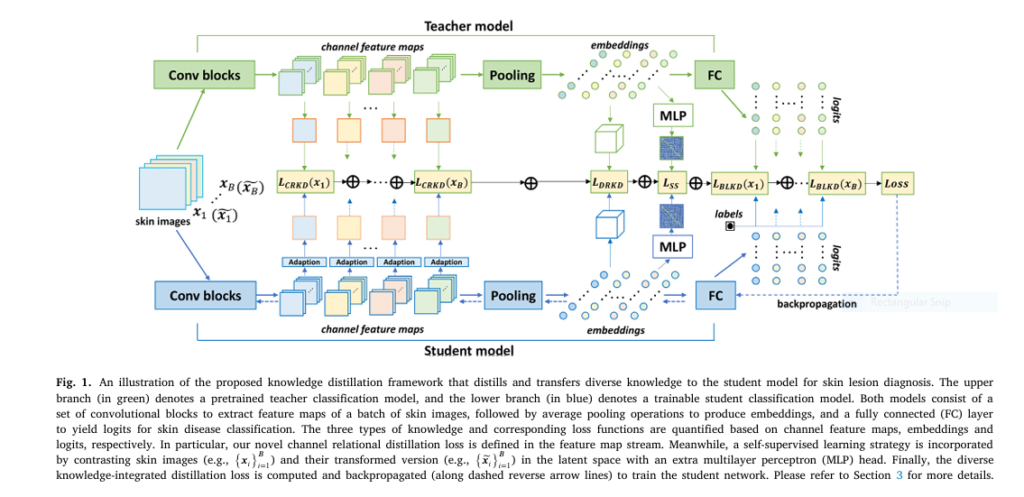
A novel SSD-KD framework for Skin Cancer Detection

5 Shocking Secrets of Skin Cancer Detection: How This SSD-KD AI Method Beats the Competition (And Why Others Fail)

The Hidden Crisis in AI Skin Cancer Diagnosis: A 7% Accuracy Gap That Could Cost Lives Every year, millions of people face the terrifying reality of skin cancer. With over 5 million cases diagnosed annually in the U.S. alone, early detection isn’t just important—it’s life-saving. Artificial Intelligence (AI) promised a revolution in dermatology, offering dermatologist-level

5 Shocking Secrets of Skin Cancer Detection: How This SSD-KD AI Method Beats the Competition (And Why Others Fail) Read More »

7 Revolutionary Breakthroughs in Skin Cancer Detection: How a New AI Model Outperforms Experts (And Why Older Methods Fail)

7 Revolutionary Breakthroughs in Skin Cancer Detection: How a New AI Model Outperforms Experts (And Why Older Methods Fail)

Skin cancer is one of the most common—and most deadly—forms of cancer worldwide. If detected at an advanced stage, melanoma, the most fatal type, has a 10-year survival rate of less than 39%. But here’s the hopeful news: early detection can boost that survival rate to over 93%. The challenge? Accurate, timely diagnosis. Dermatologists, even

7 Revolutionary Breakthroughs in Skin Cancer Detection: How a New AI Model Outperforms Experts (And Why Older Methods Fail) Read More »

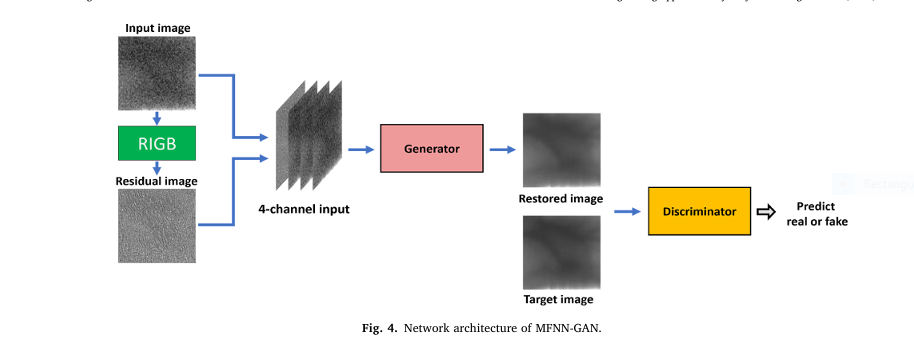
A conceptual diagram illustrating how the MFNN-GAN deep learning model restores degraded finger-vein images, showing the transformation from a noisy, poorly lit image to a clear, recognizable one, highlighting the power of AI in biometric security.

11 Breakthrough Deep Learning Tricks That Eliminate Finger-Vein Recognition Failures for Good

Finger-vein recognition is a cutting-edge biometric technology that offers a high level of security. Because the vein patterns are inside your finger, they’re nearly impossible to forge, steal, or lose. However, this technology isn’t without its flaws. The quality of the captured finger-vein image can be seriously degraded by factors like poor lighting and camera

11 Breakthrough Deep Learning Tricks That Eliminate Finger-Vein Recognition Failures for Good Read More »

Follow by Email
Tiktok