Medical Image Classification

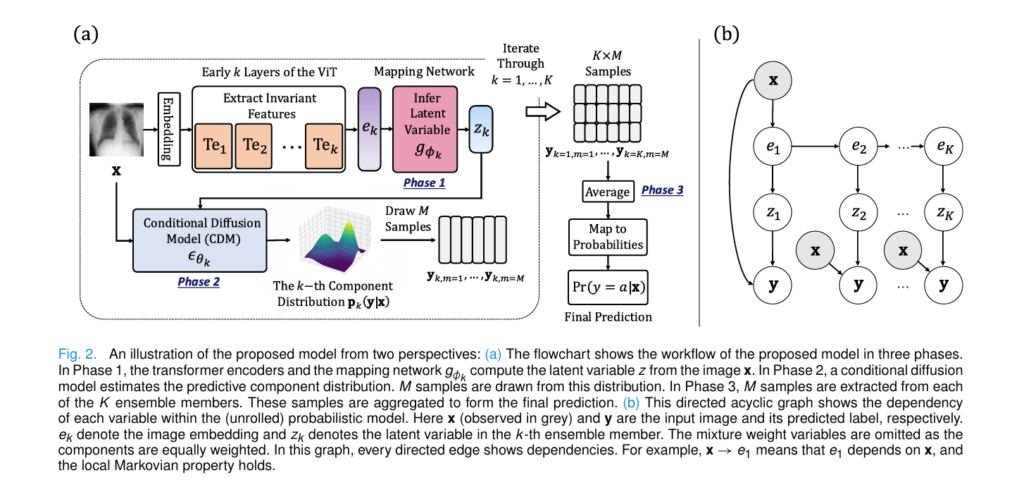
LaDiNE: Revolutionizing Medical Image Classification with Robust Diffusion-Based Ensemble Learning

When a deep learning model trained to detect tuberculosis in chest X-rays encounters an image with slightly lower contrast or minor sensor noise, it often fails catastrophically—sometimes with confidence scores above 90%. This fragility isn’t just a technical inconvenience; in clinical settings, it represents a critical patient safety issue. The gap between pristine research datasets […]
LaDiNE: Revolutionizing Medical Image Classification with Robust Diffusion-Based Ensemble Learning Read More »

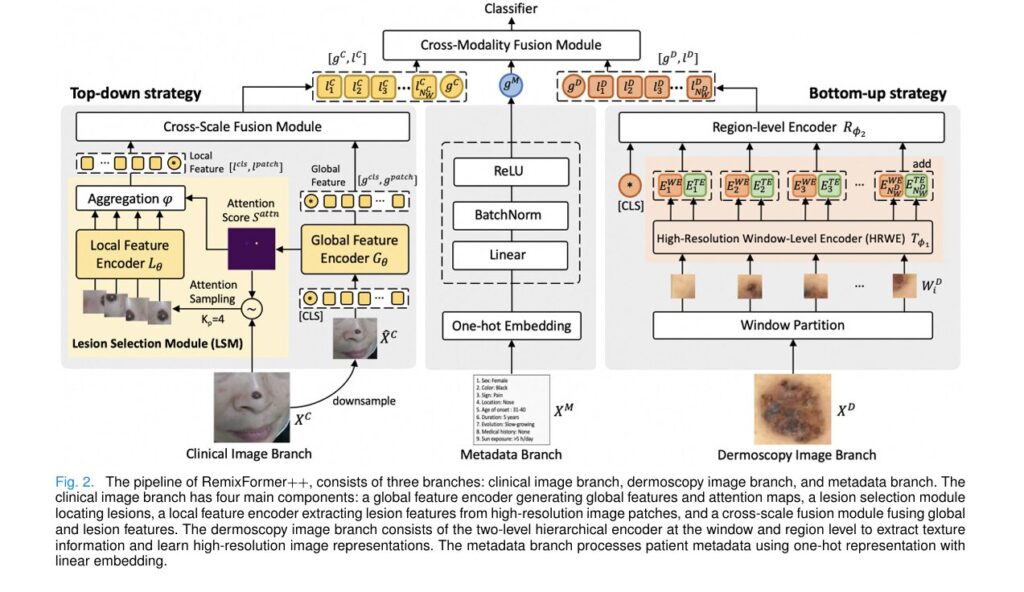
RemixFormer++: How AI is Revolutionizing Skin Cancer Detection with Multi-Modal Deep Learning

RemixFormer++: How AI is Revolutionizing Skin Cancer Detection with Multi-Modal Deep Learning

Introduction: The Future of Skin Cancer Diagnosis is Here Every year, millions of people worldwide receive a skin cancer diagnosis, making it one of the most common forms of cancer globally. Early detection is critical—studies show that up to 86% of melanomas can be prevented through timely identification and intervention. However, there’s a significant problem:

RemixFormer++: How AI is Revolutionizing Skin Cancer Detection with Multi-Modal Deep Learning Read More »

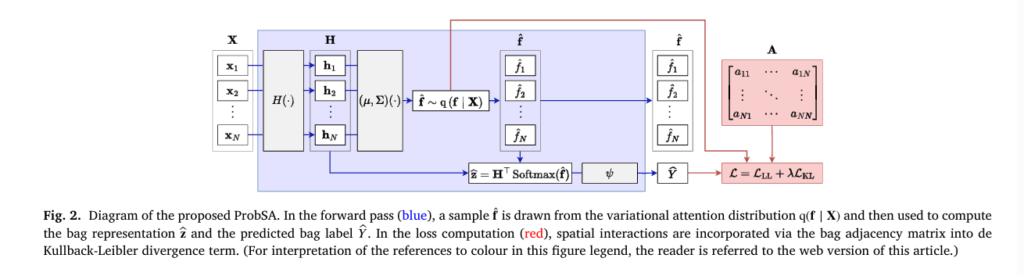
Illustration of probabilistic smooth attention in a deep learning model for medical image classification, showing uncertainty maps and attention heatmaps over patches of a whole slide image and CT scan slices.

Probabilistic Smooth Attention for Deep Multiple Instance Learning in Medical Imaging

Unlocking Precision in Medical AI: Probabilistic Smooth Attention for Deep Multiple Instance Learning In the rapidly evolving field of medical imaging, artificial intelligence (AI) is revolutionizing how diseases are detected and diagnosed. Among the most promising paradigms is Multiple Instance Learning (MIL), a machine learning framework that enables training on weakly labeled data—where only the

Probabilistic Smooth Attention for Deep Multiple Instance Learning in Medical Imaging Read More »

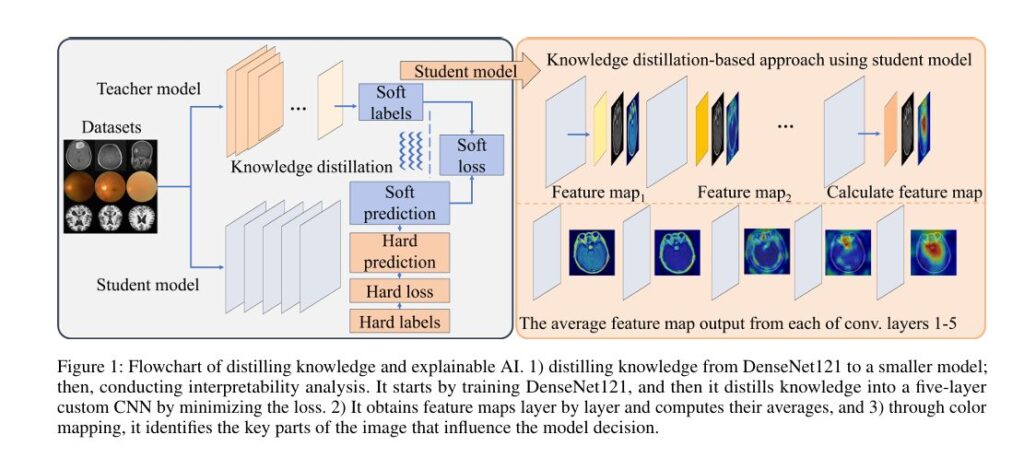
Visual explanation of Knowledge Distillation and Feature Map Visualization (KD-FMV) in medical AI models using CNNs for brain tumor, eye disease, and Alzheimer’s classification.

A Knowledge Distillation-Based Approach to Enhance Transparency of Classifier Models

Artificial Intelligence (AI) has revolutionized healthcare, particularly in medical image analysis. However, the “black-box” nature of deep learning models remains a significant barrier to their adoption in clinical settings. Clinicians demand not only accuracy but also transparency and interpretability—they need to understand why an AI system makes a particular diagnosis. In response to this challenge,

A Knowledge Distillation-Based Approach to Enhance Transparency of Classifier Models Read More »

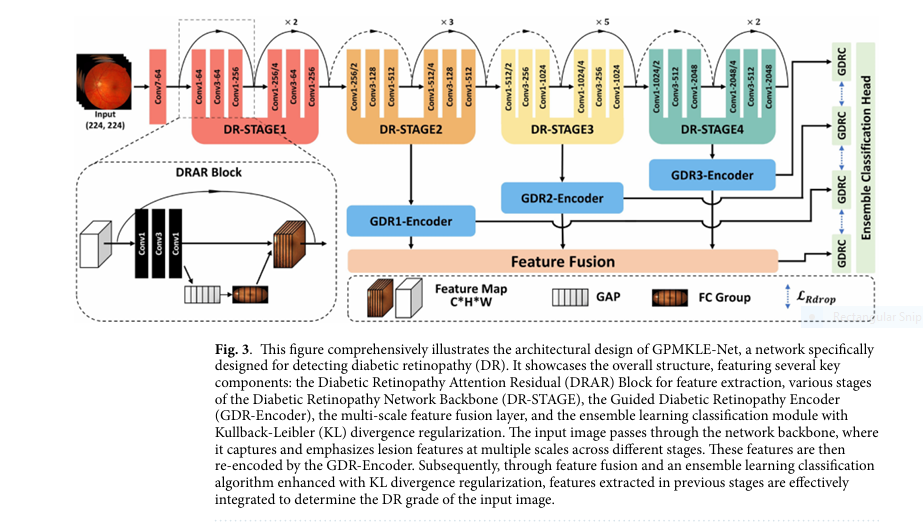
6 Groundbreaking Innovations in Diabetic Retinopathy Detection: A 2025 Breakthrough

6 Groundbreaking Innovations in Diabetic Retinopathy Detection: A 2025 Breakthrough

Introduction: The Growing Challenge of Diabetic Retinopathy Diabetic Retinopathy (DR) has emerged as a leading cause of preventable blindness globally, affecting over 34.6% of the estimated 537 million people with diabetes as of 2021. With projections suggesting that this number could rise to 783 million by 2045, the urgency for accurate, early, and scalable detection

6 Groundbreaking Innovations in Diabetic Retinopathy Detection: A 2025 Breakthrough Read More »

Follow by Email
Tiktok