Machine Learning

Machine learning (ML) is a key area of artificial intelligence (AI) that helps computers learn from data and get better at tasks over time, without needing to be directly programmed. By recognizing patterns in data, ML algorithms can make predictions and decisions that are useful in many fields, from healthcare to finance and e-commerce. Whether it’s improving customer service or helping businesses make smarter decisions, machine learning is changing the way we interact with technology. Keep up with the latest in machine learning by following our blog for updates and insights.

Radar Gait Recognition Using Swin Transformers: Beyond Video Surveillance

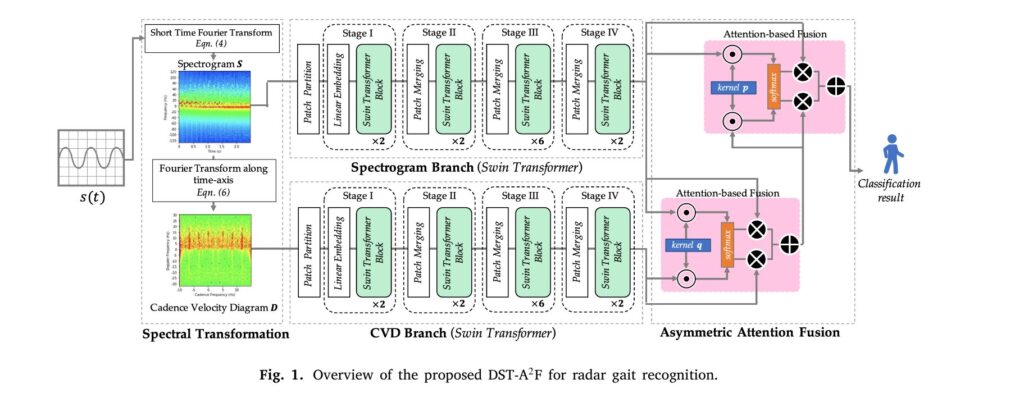
Radar Gait Recognition Using Swin Transformers: Beyond Video Surveillance

In an era where privacy concerns and environmental limitations increasingly challenge traditional video-based biometric systems, a sophisticated new approach to human identification is emerging from the intersection of radar technology and deep learning. Video-based gait recognition, while successful in many applications, suffers from significant limitations including potential privacy issues and performance degradation due to dim […]

Radar Gait Recognition Using Swin Transformers: Beyond Video Surveillance Read More »
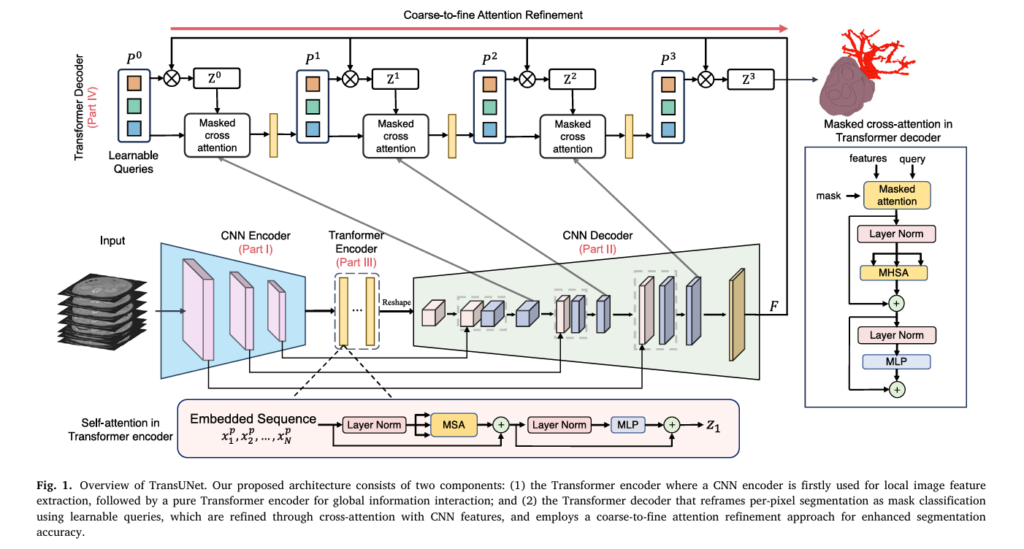
TransUNet: How Transformer Architecture Revolutionizes Medical Image Segmentation

TransUNet: How Transformer Architecture Revolutionizes Medical Image Segmentation

Introduction Medical imaging forms the backbone of modern diagnostic healthcare, yet accurate segmentation of anatomical structures and pathological regions remains one of the most challenging problems in computational medicine. Radiologists spend countless hours manually delineating organs, tumors, and vessels in CT and MRI scans—a process that is not only time-consuming but also subject to inter-observer

TransUNet: How Transformer Architecture Revolutionizes Medical Image Segmentation Read More »

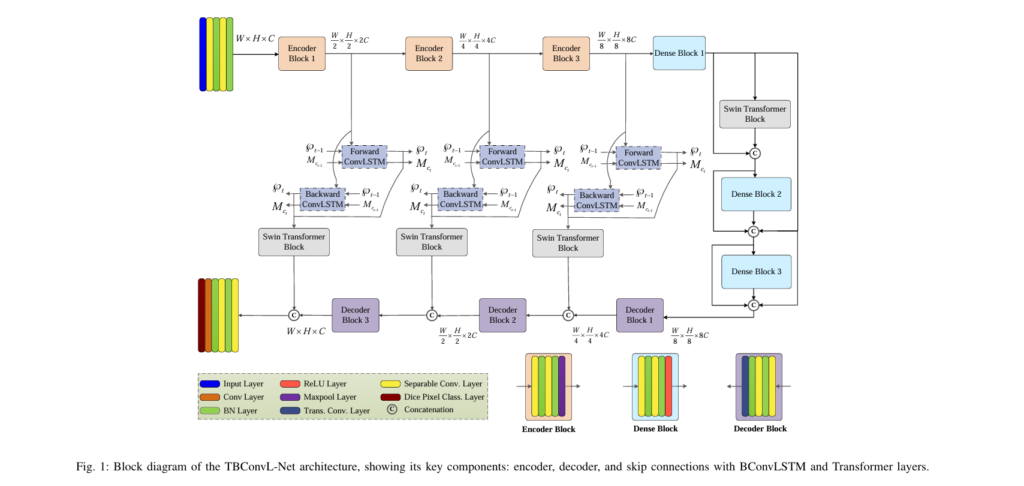
tbconvl-net-hybrid-medical-image-segmentation

TBConvL-Net: A Hybrid CNN–Transformer–ConvLSTM Framework for Robust Medical Image Segmentation

Medical image segmentation stands at the center of modern diagnostic intelligence. The precise delineation of tumors, lesions, organs, and anatomical structures is essential in clinical workflows, influencing tasks such as treatment planning, early disease detection, and quantitative analysis. However, segmentation remains fundamentally challenging due to the diversity of imaging modalities, variations in lesion shapes and

TBConvL-Net: A Hybrid CNN–Transformer–ConvLSTM Framework for Robust Medical Image Segmentation Read More »

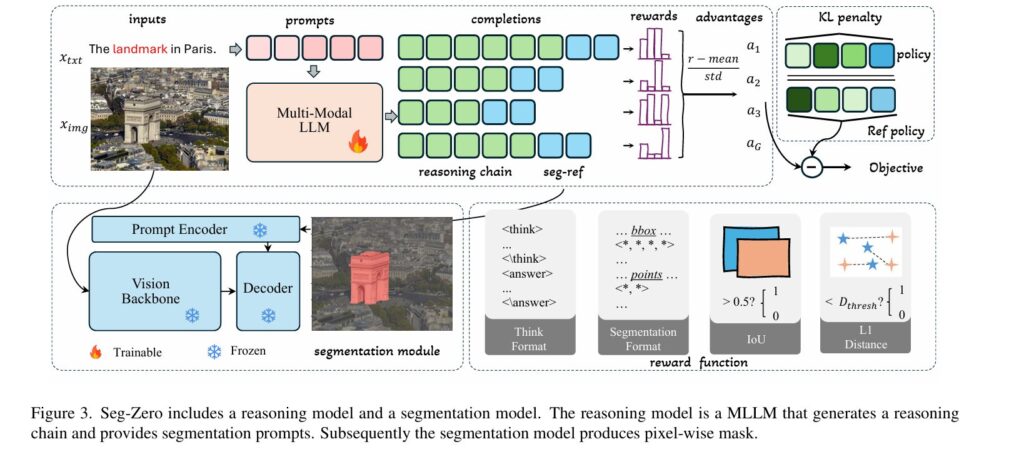
proposed Seg-Zero model

How AI is Learning to Think Before it Segments: Understanding Seg-Zero’s Reasoning-Driven Image Analysis

Introduction Imagine an AI system that doesn’t just identify objects in images, but thinks through its reasoning process step-by-step before producing a final answer—much like how a human would approach a complex visual problem. This is precisely what researchers at CUHK, HKUST, and RUC have accomplished with Seg-Zero, a groundbreaking framework that fundamentally reimagines how

How AI is Learning to Think Before it Segments: Understanding Seg-Zero’s Reasoning-Driven Image Analysis Read More »

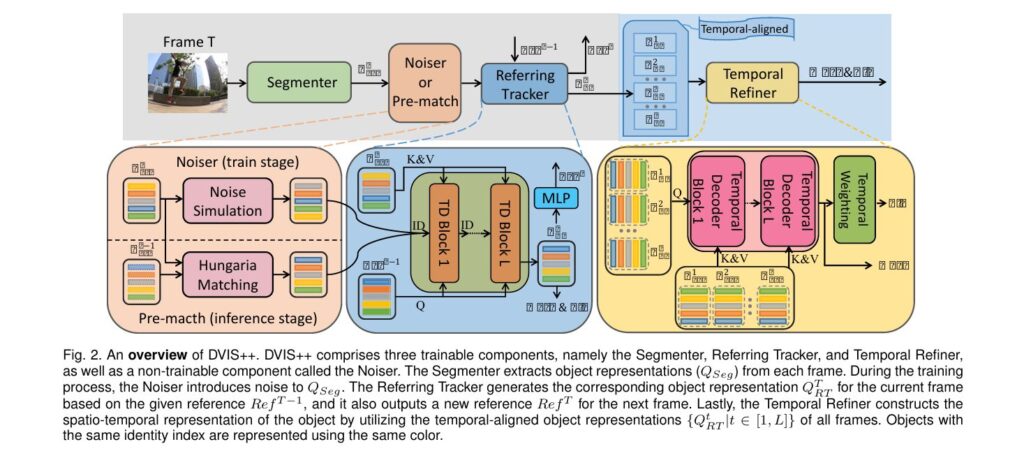
DVIS++: The Game-Changing Decoupled Framework Revolutionizing Universal Video Segmentation

DVIS++: The Game-Changing Decoupled Framework Revolutionizing Universal Video Segmentation

Introduction Video segmentation has become increasingly critical in computer vision applications, from autonomous driving to video editing and surveillance systems. However, existing approaches struggle with a fundamental challenge: how to accurately track and segment objects across long, complex videos while simultaneously identifying both foreground “things” (like people and cars) and background “stuff” (like roads and

DVIS++: The Game-Changing Decoupled Framework Revolutionizing Universal Video Segmentation Read More »

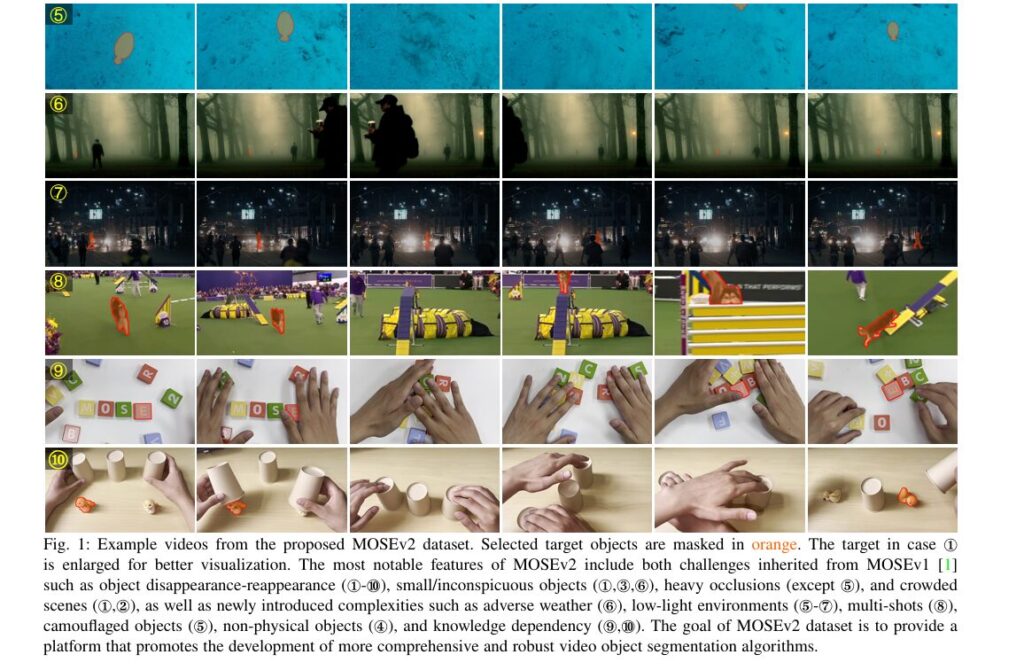
MOSEv2: The Game-Changing Video Object Segmentation Dataset for Real-World AI Applications

MOSEv2: The Game-Changing Video Object Segmentation Dataset for Real-World AI Applications

Introduction In the rapidly evolving landscape of computer vision and artificial intelligence, one persistent challenge has plagued researchers and practitioners: how do we create machine learning models that can reliably identify and track objects in real-world video scenarios? Traditional video object segmentation (VOS) benchmarks like DAVIS and YouTube-VOS have produced impressive results, with state-of-the-art methods

MOSEv2: The Game-Changing Video Object Segmentation Dataset for Real-World AI Applications Read More »

Overview of MedCLIP-SAMv2 model

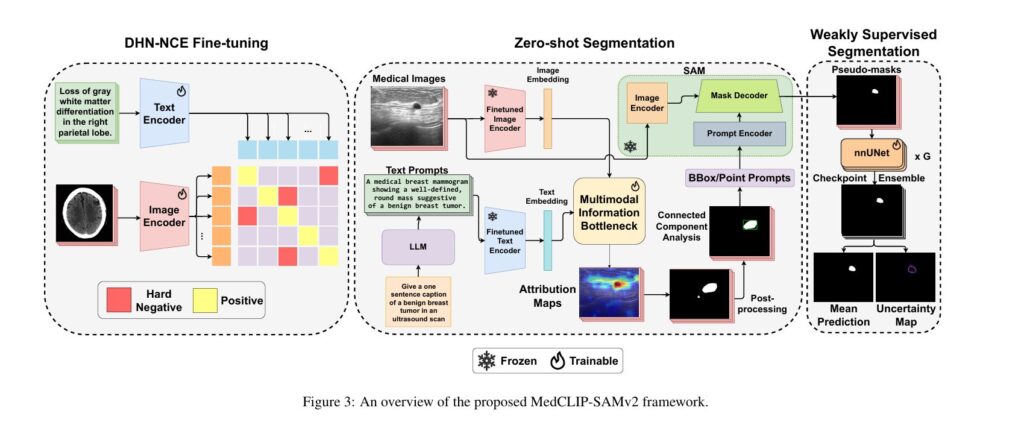
Universal Text-Driven Medical Image Segmentation: How MedCLIP-SAMv2 Revolutionizes Diagnostic AI

Introduction Medical image segmentation stands as one of the most critical yet challenging tasks in modern diagnostic imaging. Whether identifying tumors in breast ultrasounds, delineating pathologies in brain MRIs, or precisely outlining lung regions in CT scans, the ability to automatically segment anatomical structures with high accuracy directly impacts clinical decision-making and patient outcomes. However,

Universal Text-Driven Medical Image Segmentation: How MedCLIP-SAMv2 Revolutionizes Diagnostic AI Read More »

Cellpose3: The Revolutionary One-Click Solution for Restoring Noisy, Blurry, and Undersampled Microscopy Images

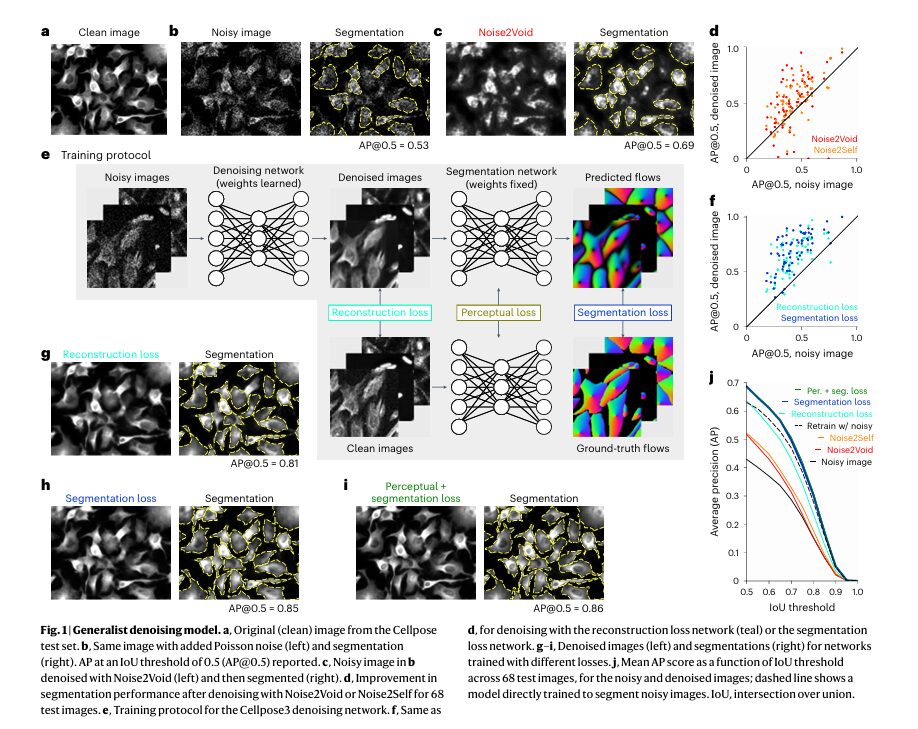
Cellpose3: The Revolutionary One-Click Solution for Restoring Noisy, Blurry, and Undersampled Microscopy Images

Microscopy is the cornerstone of modern biological discovery, allowing scientists to peer into the intricate world of cells and tissues. However, the very act of imaging can introduce significant challenges. To protect delicate samples from phototoxicity or photobleaching, researchers often must reduce illumination, which inevitably increases shot noise. Opening a microscope’s aperture to capture more

Cellpose3: The Revolutionary One-Click Solution for Restoring Noisy, Blurry, and Undersampled Microscopy Images Read More »

SegTrans: The Breakthrough Framework That Makes AI Segmentation Models Vulnerable to Transfer Attacks

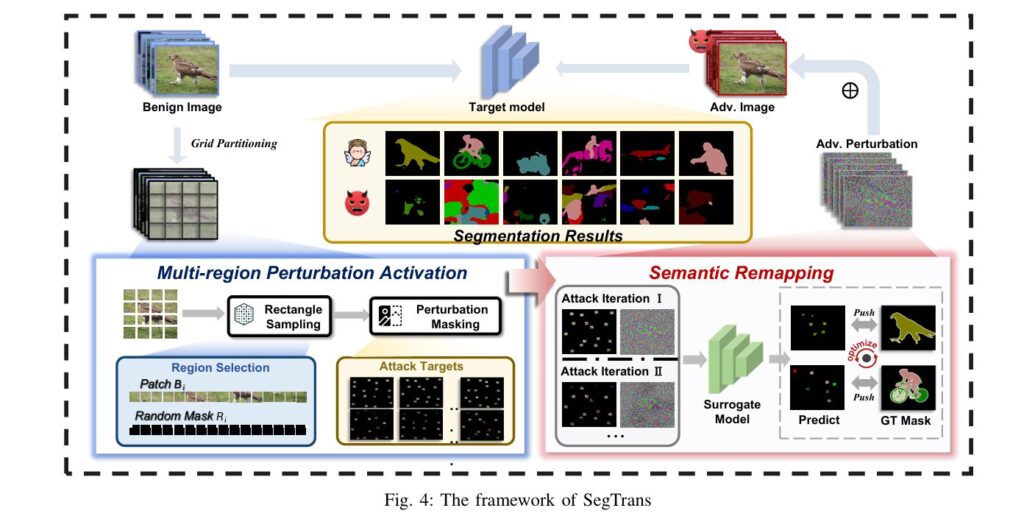
SegTrans: The Breakthrough Framework That Makes AI Segmentation Models Vulnerable to Transfer Attacks

In the high-stakes world of autonomous driving, medical diagnostics, and satellite imagery analysis, semantic segmentation models are the unsung heroes. These sophisticated AI systems perform pixel-level classification, allowing them to precisely identify and outline objects like pedestrians, tumors, or road markings within complex images. Their accuracy is critical for safety and reliability. However, a groundbreaking

SegTrans: The Breakthrough Framework That Makes AI Segmentation Models Vulnerable to Transfer Attacks Read More »

CelloType: Transformer-Based Deep Learning for Automated Cell Segmentation and Classification in Tissue Imaging

CelloType: Transformer-Based Deep Learning for Automated Cell Segmentation and Classification in Tissue Imaging

Introduction Analyzing tissue images at the cellular level has become fundamental to understanding disease mechanisms, identifying therapeutic targets, and advancing personalized medicine. However, one of the most time-consuming bottlenecks in spatial omics research is the manual annotation of cells following segmentation—a laborious two-stage process that requires separating cells from tissue backgrounds, then classifying each identified

CelloType: Transformer-Based Deep Learning for Automated Cell Segmentation and Classification in Tissue Imaging Read More »

Follow by Email
Tiktok