Machine Learning

Machine learning (ML) is a key area of artificial intelligence (AI) that helps computers learn from data and get better at tasks over time, without needing to be directly programmed. By recognizing patterns in data, ML algorithms can make predictions and decisions that are useful in many fields, from healthcare to finance and e-commerce. Whether it’s improving customer service or helping businesses make smarter decisions, machine learning is changing the way we interact with technology. Keep up with the latest in machine learning by following our blog for updates and insights.

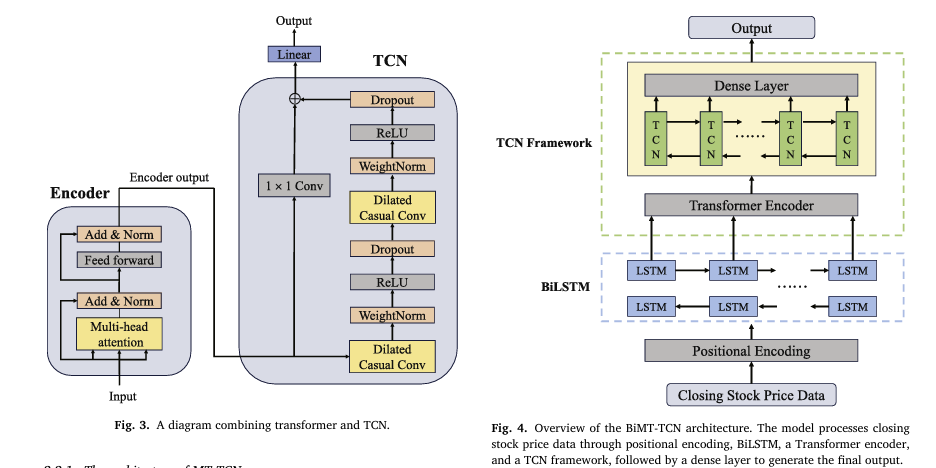
Diagram of the BiMT-TCN model architecture showing BiLSTM, modified Transformer, and TCN layers for enhanced stock forecasting.

BiMT-TCN: Revolutionizing Stock Price Prediction with Hybrid Deep Learning

In the fast-paced world of financial markets, accurate stock price prediction has long been the holy grail for investors, analysts, and AI researchers. With markets influenced by a complex web of economic indicators, geopolitical events, and investor sentiment, traditional models often fall short. Enter BiMT-TCN—a groundbreaking hybrid deep learning model that is redefining the accuracy […]

BiMT-TCN: Revolutionizing Stock Price Prediction with Hybrid Deep Learning Read More »
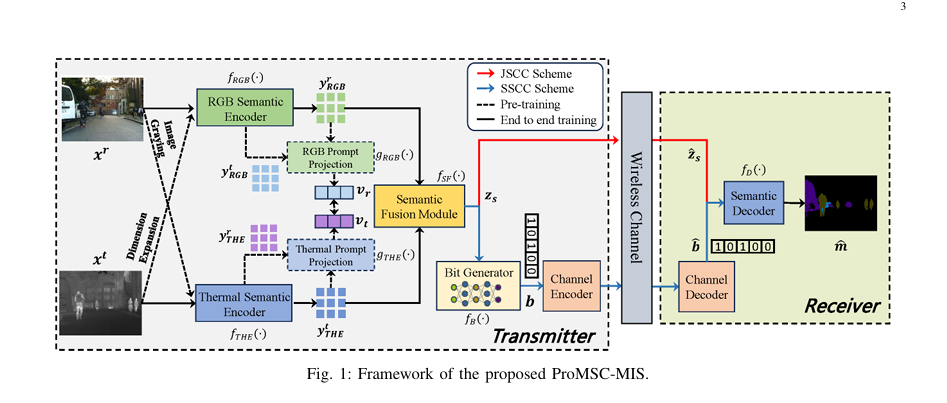
ProMSC-MIS: a revolutionary prompt-based multimodal semantic communication system for multi-spectral image segmentation.

ProMSC-MIS: Revolutionizing Multimodal Semantic Communication for Multi-Spectral Image Segmentation

In the rapidly evolving landscape of artificial intelligence and wireless communication, a groundbreaking new framework—ProMSC-MIS (Prompt-based Multimodal Semantic Communication for Multi-Spectral Image Segmentation)—is setting a new benchmark in task-driven data transmission. Developed by Haoshuo Zhang, Yufei Bo, and Meixia Tao from Shanghai Jiao Tong University, this innovative system redefines how multimodal data is processed, transmitted,

ProMSC-MIS: Revolutionizing Multimodal Semantic Communication for Multi-Spectral Image Segmentation Read More »

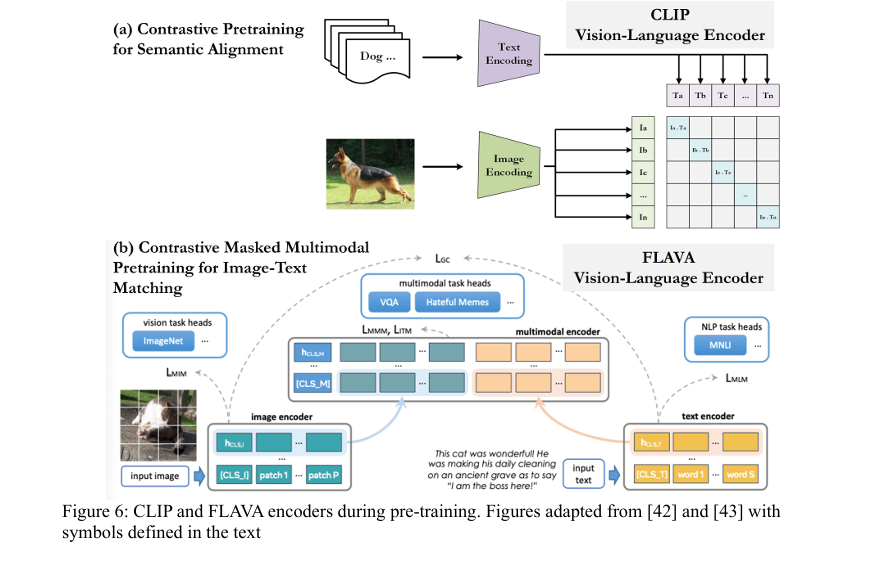
Illustration of a hybrid AI system linking microscope images of metal microstructures with expert textual assessments using vision-language models like CLIP, vision-language representations and FLAVA.

Customized Vision-Language Representations for Industrial Qualification: Bridging AI and Expert Knowledge in Additive Manufacturing

In the rapidly evolving world of additive manufacturing (AM), ensuring the quality and reliability of engineered materials is a critical bottleneck. Traditional qualification methods rely heavily on manual inspection and expert interpretation, leading to delays, inconsistencies, and scalability issues. A groundbreaking new study titled “Linking heterogeneous microstructure informatics with expert characterization knowledge through customized and

Customized Vision-Language Representations for Industrial Qualification: Bridging AI and Expert Knowledge in Additive Manufacturing Read More »

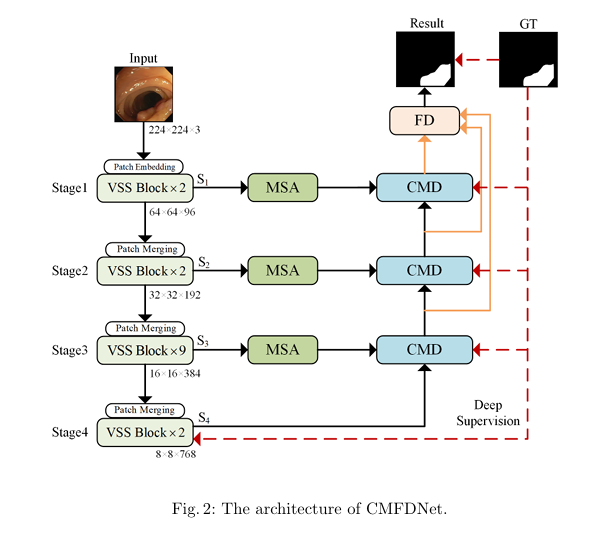
CMFDNet architecture for automated polyp segmentation using Cross-Mamba Decoder and Feature Discovery Module

CMFDNet: Revolutionizing Polyp Segmentation with Cross-Mamba and Feature Discovery

Colorectal cancer (CRC) remains one of the most prevalent and deadly cancers worldwide, with early detection playing a pivotal role in reducing mortality. Among the key precursors to CRC are colonic polyps, which, if detected and removed early, can significantly lower the risk of cancer development. Colonoscopy is the gold standard for identifying these lesions,

CMFDNet: Revolutionizing Polyp Segmentation with Cross-Mamba and Feature Discovery Read More »

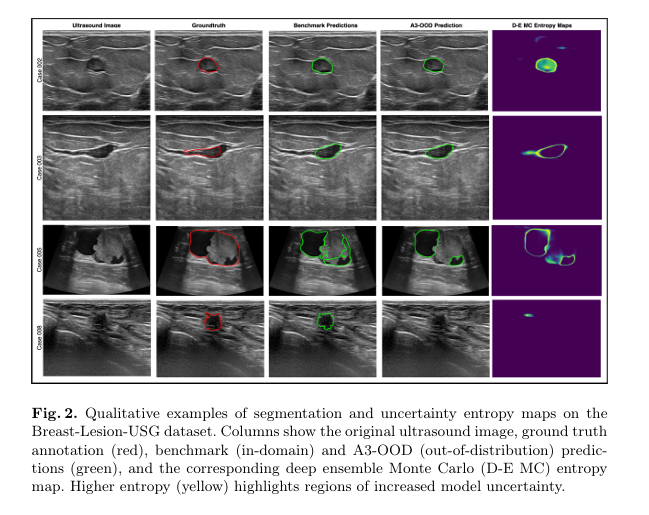
AI-generated segmentation of a breast ultrasound image with overlay uncertainty heatmap showing high confidence (blue) and low confidence (yellow) regions near tumor boundaries for breast tumor segmentation.

Towards Trustworthy Breast Tumor Segmentation in Ultrasound Using AI Uncertainty

Breast cancer remains the most diagnosed cancer among women globally, accounting for nearly 1 in 4 cancer cases. Early detection and precise diagnosis are critical to improving survival rates—especially in low- and middle-income countries where access to advanced imaging like MRI or mammography is limited. In this context, breast ultrasound (BUS) has emerged as a

Towards Trustworthy Breast Tumor Segmentation in Ultrasound Using AI Uncertainty Read More »

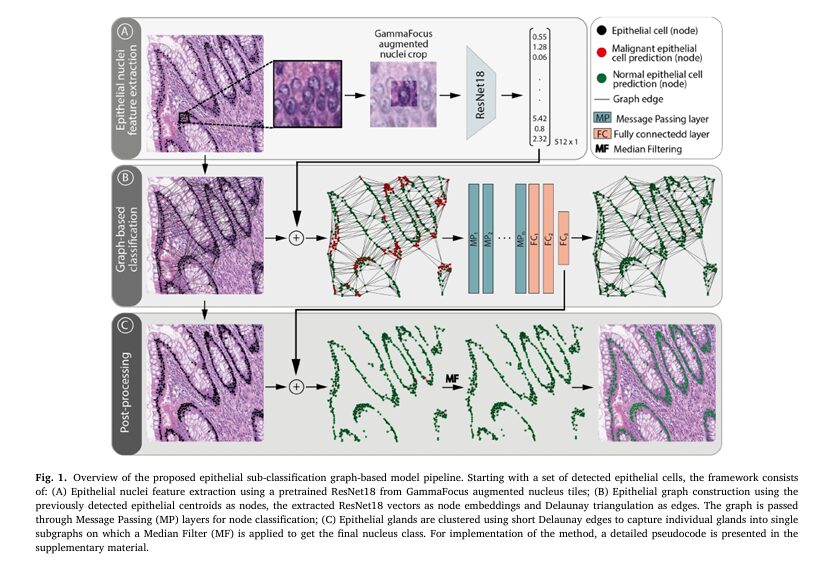
GREP model for cell classification

Revolutionizing Digital Pathology: A Deep Dive into GrEp for Superior Epithelial Cell Classification

The field of digital pathology is undergoing a transformation, with deep learning and artificial intelligence unlocking unprecedented opportunities for biomarker discovery and automated diagnostics. By analyzing high-resolution whole slide images (WSIs), these technologies promise to enhance the accuracy, speed, and objectivity of cancer diagnosis. However, one fundamental task remains a persistent bottleneck: the accurate and

Revolutionizing Digital Pathology: A Deep Dive into GrEp for Superior Epithelial Cell Classification Read More »

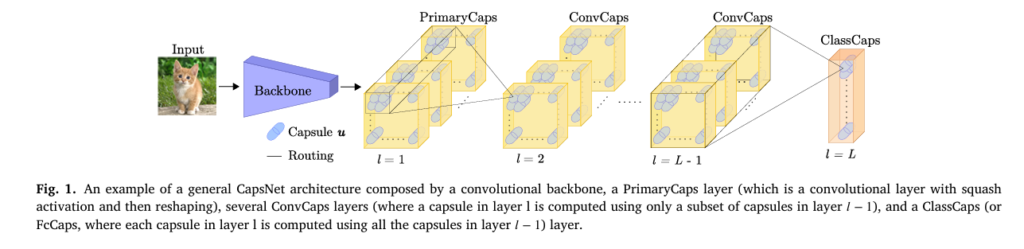
Diagram showing REM (Routing Entropy Minimization) applied to a Capsule Network, reducing unnecessary parse trees and focusing only on relevant object parts.

Capsule Networks Do Not Need to Model Everything: How REM Reduces Entropy for Smarter AI

In the fast-evolving world of deep learning, capsule networks (CapsNets) have emerged as a promising alternative to traditional convolutional neural networks (CNNs). Unlike CNNs, which lose spatial hierarchies due to pooling layers, CapsNets aim to preserve part-whole relationships through dynamic routing mechanisms. However, despite their biological inspiration and theoretical advantages, CapsNets often struggle with over-complication—modeling

Capsule Networks Do Not Need to Model Everything: How REM Reduces Entropy for Smarter AI Read More »

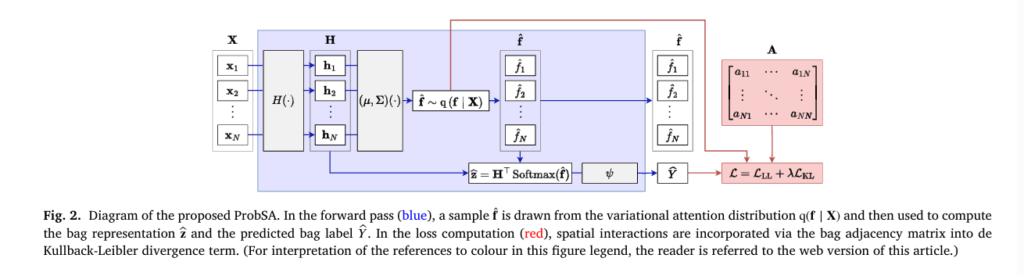
Illustration of probabilistic smooth attention in a deep learning model for medical image classification, showing uncertainty maps and attention heatmaps over patches of a whole slide image and CT scan slices.

Probabilistic Smooth Attention for Deep Multiple Instance Learning in Medical Imaging

Unlocking Precision in Medical AI: Probabilistic Smooth Attention for Deep Multiple Instance Learning In the rapidly evolving field of medical imaging, artificial intelligence (AI) is revolutionizing how diseases are detected and diagnosed. Among the most promising paradigms is Multiple Instance Learning (MIL), a machine learning framework that enables training on weakly labeled data—where only the

Probabilistic Smooth Attention for Deep Multiple Instance Learning in Medical Imaging Read More »

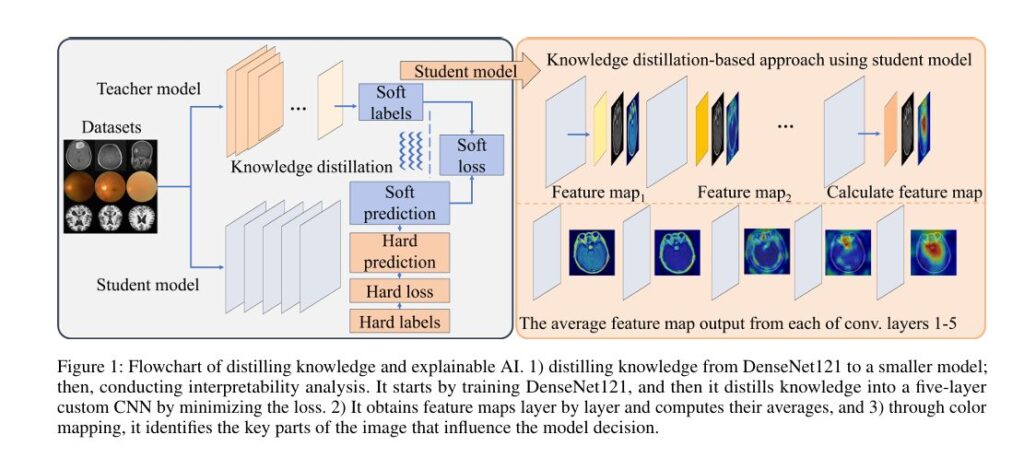
Visual explanation of Knowledge Distillation and Feature Map Visualization (KD-FMV) in medical AI models using CNNs for brain tumor, eye disease, and Alzheimer’s classification.

A Knowledge Distillation-Based Approach to Enhance Transparency of Classifier Models

Artificial Intelligence (AI) has revolutionized healthcare, particularly in medical image analysis. However, the “black-box” nature of deep learning models remains a significant barrier to their adoption in clinical settings. Clinicians demand not only accuracy but also transparency and interpretability—they need to understand why an AI system makes a particular diagnosis. In response to this challenge,

A Knowledge Distillation-Based Approach to Enhance Transparency of Classifier Models Read More »

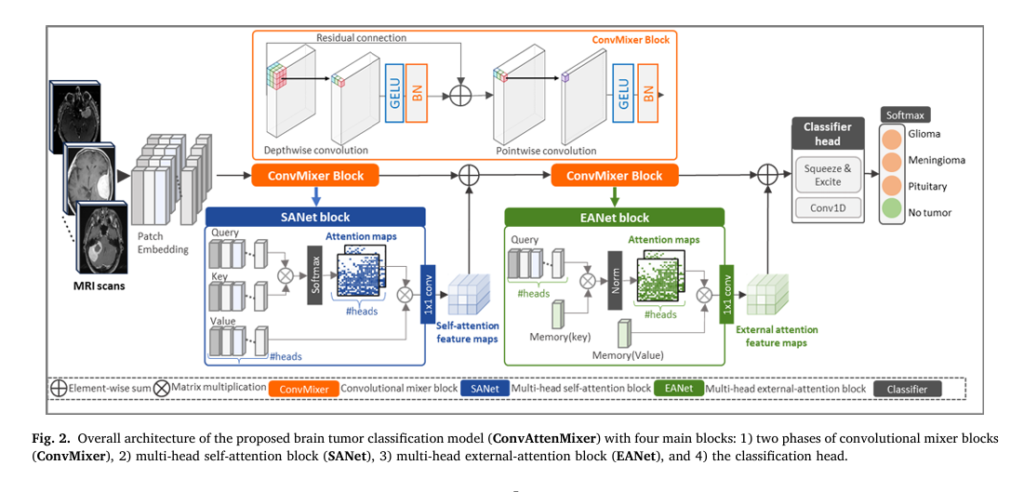
Illustration of the ConvAttenMixer model architecture showing MRI input, convolutional layers, self-attention, external attention, and classification output for brain tumor detection.

ConvAttenMixer: Revolutionizing Brain Tumor Detection with Convolutional Mixer and Attention Mechanisms

In the rapidly advancing field of medical imaging and artificial intelligence (AI), brain tumor detection and classification remain among the most critical challenges in neurology and radiology. With over 5712 MRI scans analyzed in recent research, the demand for accurate, efficient, and scalable deep learning models has never been higher. Enter ConvAttenMixer—a groundbreaking transformer-based model

ConvAttenMixer: Revolutionizing Brain Tumor Detection with Convolutional Mixer and Attention Mechanisms Read More »

Follow by Email
Tiktok