nnU-Net

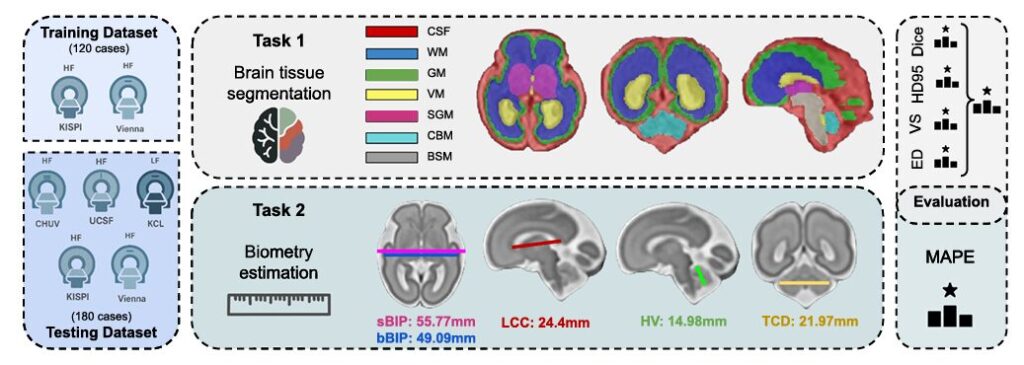
FeTA 2024: What 16 Teams Scanning Unborn Brains Taught Us About the Limits of AI Segmentation

FeTA 2024: What 16 Teams Scanning Unborn Brains Taught Us About the Limits of AI Segmentation

A multi-center challenge involving 300 fetal brain MRI scans, 16 competing AI systems, and one quietly unsettling discovery — that a simple gestational-age linear model beat most sophisticated neural networks at biometry prediction.

FeTA 2024: What 16 Teams Scanning Unborn Brains Taught Us About the Limits of AI Segmentation Read More »

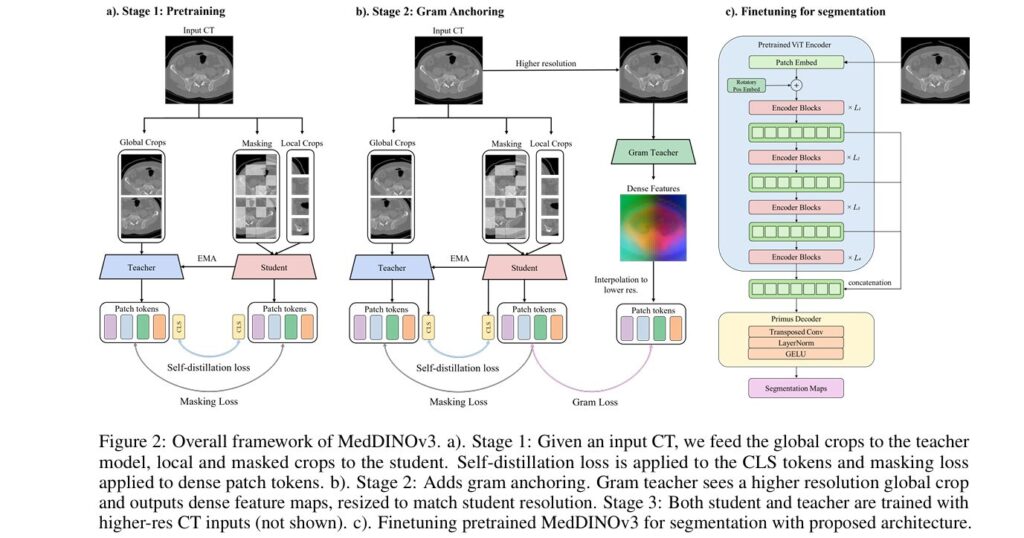
MedDINOv3: Revolutionizing Medical Image Segmentation with Adaptable Vision Foundation Models

MedDINOv3 Adapts A Vision Foundation Model For CT And MRI Segmentation

This article explains a published engineering paper about an automated image segmentation method. It is not medical advice, it does not diagnose anything, and it is not a substitute for a radiologist, a radiation oncologist, or a qualified clinician reviewing…

MedDINOv3 Adapts A Vision Foundation Model For CT And MRI Segmentation Read More »

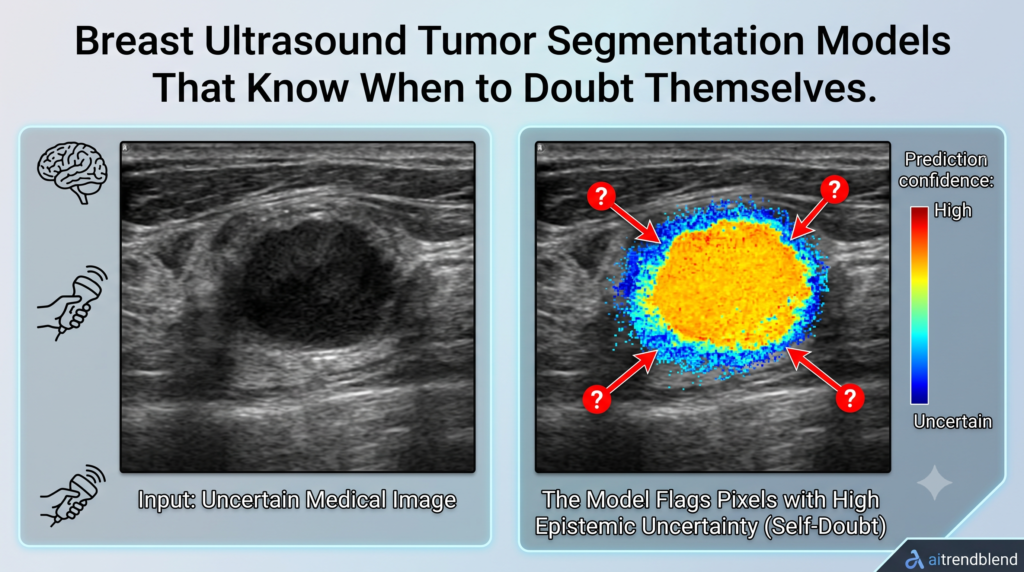
Towards Trustworthy Breast Tumor Segmentation in Ultrasound Using AI Uncertainty

This article explains a published research paper. It is not medical advice, diagnosis, or treatment guidance. The segmentation model discussed here is a research prototype, not an approved clinical device. Anyone with a health concern about a breast finding should…

Towards Trustworthy Breast Tumor Segmentation in Ultrasound Using AI Uncertainty Read More »

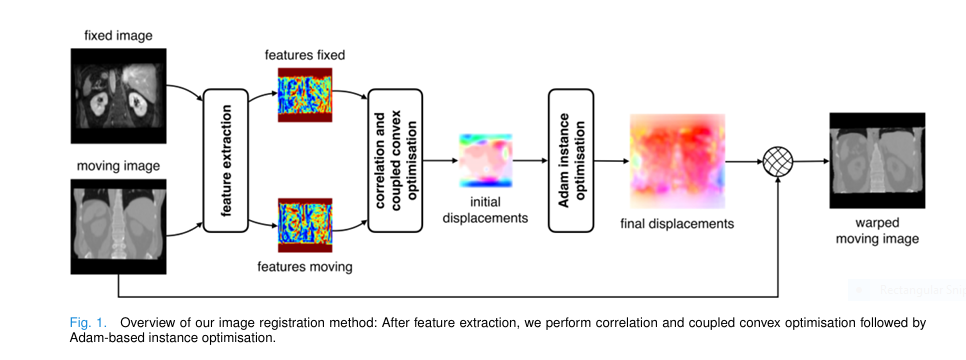
ConvexAdam framework diagram showing feature extraction, correlation layer, coupled convex optimization, and Adam-based refinement for 3D medical image registration.

7 Revolutionary Ways ConvexAdam Beats Traditional Methods (And Why Most Fail)

Medical image registration is a cornerstone of modern diagnostics, surgical planning, and treatment monitoring. Yet, despite decades of innovation, many existing methods struggle with accuracy , speed , and versatility —especially when handling multimodal, inter-patient, or large-deformation scenarios.

7 Revolutionary Ways ConvexAdam Beats Traditional Methods (And Why Most Fail) Read More »