Transformer Model

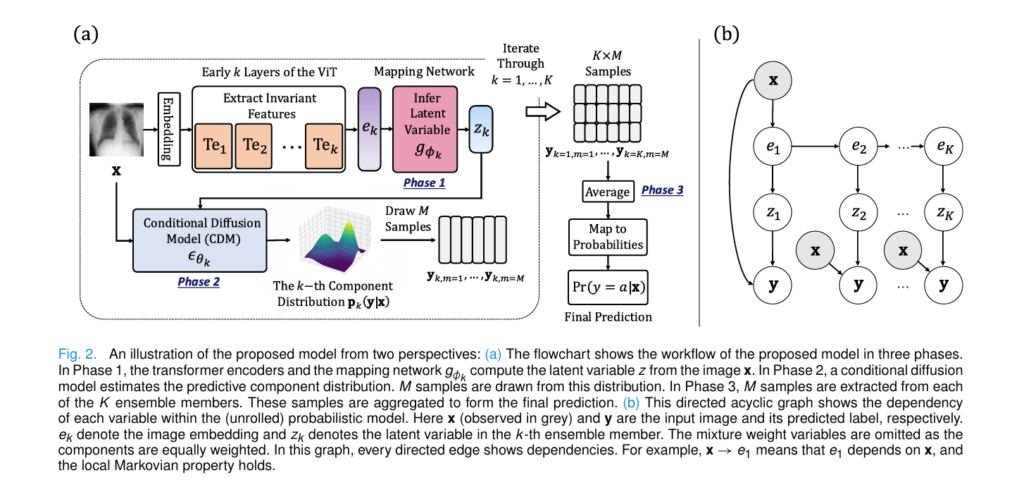
LaDiNE: Revolutionizing Medical Image Classification with Robust Diffusion-Based Ensemble Learning

When a deep learning model trained to detect tuberculosis in chest X-rays encounters an image with slightly lower contrast or minor sensor noise, it often fails catastrophically—sometimes with confidence scores above 90%. This fragility isn’t just a technical inconvenience; in clinical settings, it represents a critical patient safety issue. The gap between pristine research datasets […]

LaDiNE: Revolutionizing Medical Image Classification with Robust Diffusion-Based Ensemble Learning Read More »

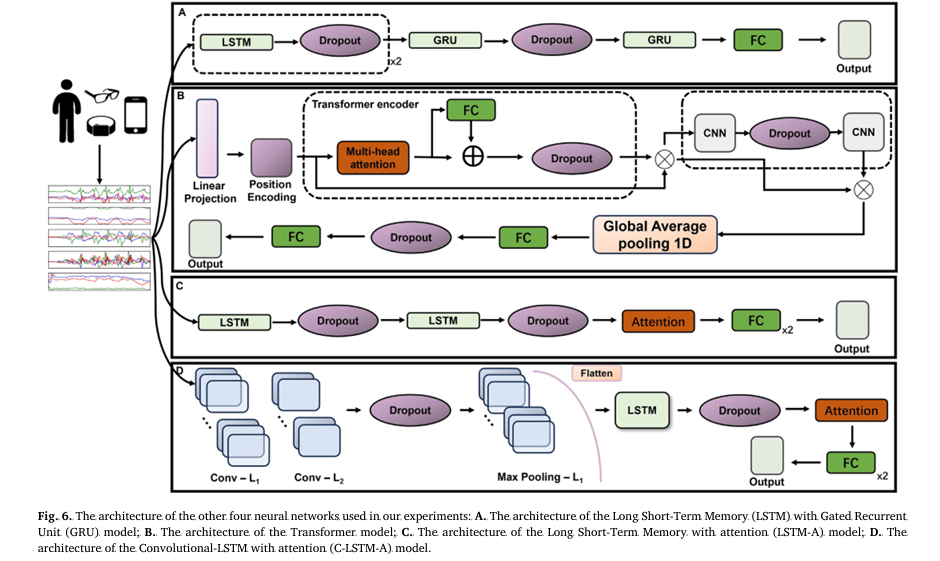
Infographic showing a person wearing smart sensors while AI models analyze activity data in real-time, highlighting accuracy, bias, and model performance trade-offs in healthcare applications.

7 Shocking Truths About Wearable AI in Healthcare: The Good, The Bad, and The Overhyped

In the rapidly evolving world of digital health, wearable AI for human activity recognition (HAR) is being hailed as a revolutionary tool—promising to transform elder care, chronic disease management, and rehabilitation. But how much of the hype is real, and how much is overblown? A groundbreaking 2025 study published in Neurocomputing dives deep into this

7 Shocking Truths About Wearable AI in Healthcare: The Good, The Bad, and The Overhyped Read More »

Knowledge Distillation Model

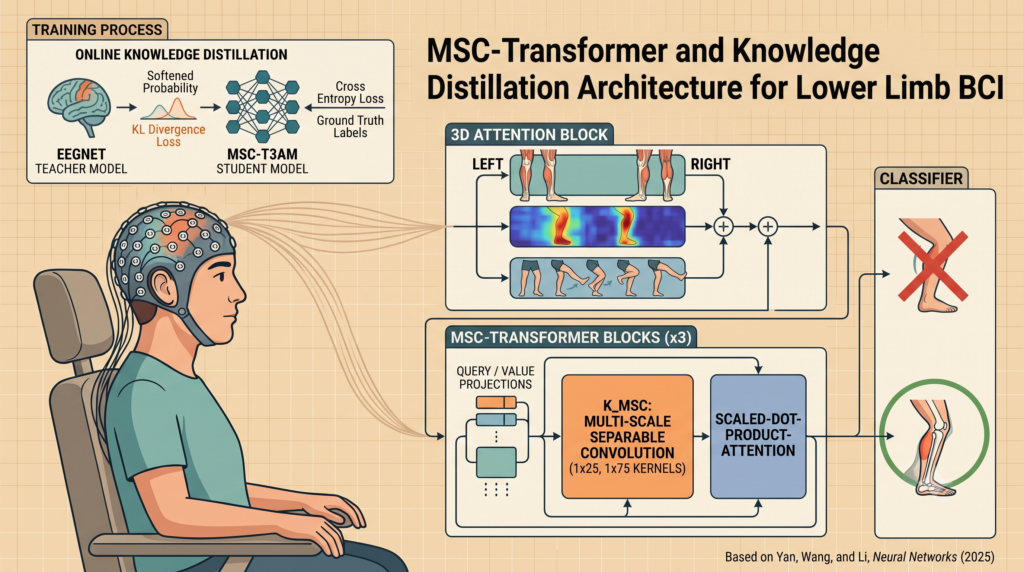
Revolutionizing Lower Limb Motor Imagery Classification: A 3D-Attention MSC-T3AM Transformer Model with Knowledge Distillation

Introduction: The Power of Motor Imagery and the Rise of EEG-Based BCIs Brain-Computer Interfaces (BCIs) have emerged as a groundbreaking technology, transforming the way humans interact with machines. From medical rehabilitation to entertainment , BCIs are redefining human-machine interaction. Among the various BCI paradigms, Motor Imagery (MI) has gained significant traction due to its ability

Revolutionizing Lower Limb Motor Imagery Classification: A 3D-Attention MSC-T3AM Transformer Model with Knowledge Distillation Read More »

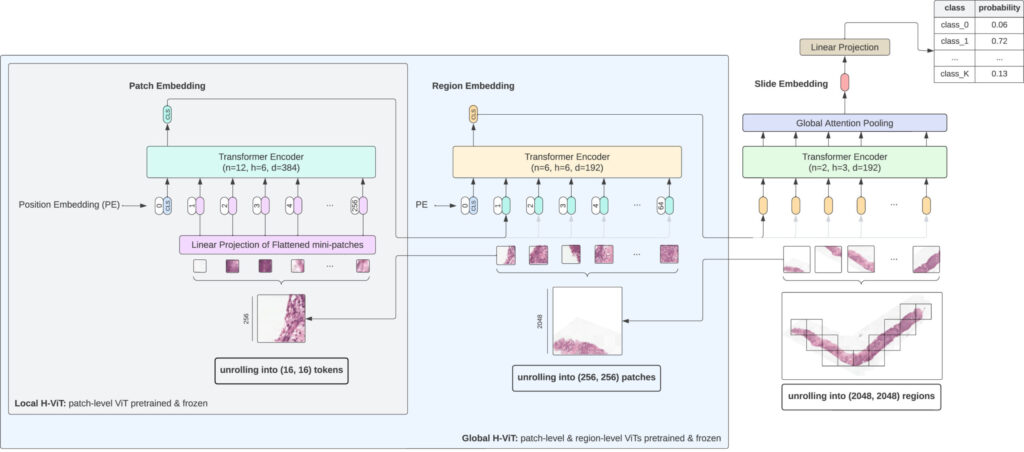
Hierarchical Vision Transformers (H-ViT) enhancing prostate cancer grading accuracy through AI-driven pathology analysis

7 Revolutionary Insights from Hierarchical Vision Transformers in Prostate Biopsy Grading (And Why They Matter)

Introduction: Bridging the Gap Between AI and Precision Pathology In the evolving landscape of medical imaging, Hierarchical Vision Transformers (H-ViT) are emerging as a game-changer in prostate biopsy grading , offering unprecedented accuracy and generalizability. Traditional deep learning models have struggled with real-world variability, but H-ViTs are setting new benchmarks by combining self-supervised pretraining, weakly

7 Revolutionary Insights from Hierarchical Vision Transformers in Prostate Biopsy Grading (And Why They Matter) Read More »

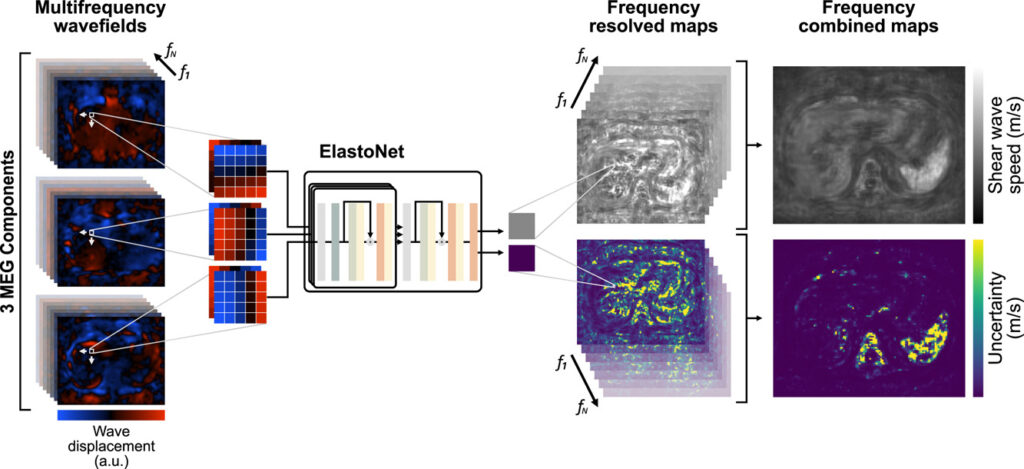
ElastoNet: A revolutionary neural network approach to MR Elastography inversion with uncertainty quantification.

ElastoNet 1: The Revolutionary Neural Network for MRE Wave Inversion with Uncertainty Quantification (Pros & Cons)

Introduction: Why ElastoNet Is Changing the Game in Medical Imaging Medical imaging has seen a rapid evolution over the past decade, especially in non-invasive diagnostics. Among these advancements, Magnetic Resonance Elastography (MRE) has emerged as a powerful technique for evaluating tissue stiffness — a key biomarker in diagnosing diseases like liver fibrosis and cancer. However,

ElastoNet 1: The Revolutionary Neural Network for MRE Wave Inversion with Uncertainty Quantification (Pros & Cons) Read More »

Follow by Email
Tiktok