AI in medical imaging

BrainDx AI Framework for Brain Tumor Diagnosis

Revolutionizing Brain Tumor Diagnosis: How the BrainDx AI Framework is Setting a New Standard in Medical Imaging

In the high-stakes world of neuro-oncology, time is not just a factor—it’s a lifeline. The journey from an initial MRI scan to a definitive brain tumor diagnosis has long been fraught with delays, human error, and the immense cognitive load placed on radiologists who must interpret complex, often subtle, variations in medical imagery. This critical […]

Revolutionizing Brain Tumor Diagnosis: How the BrainDx AI Framework is Setting a New Standard in Medical Imaging Read More »

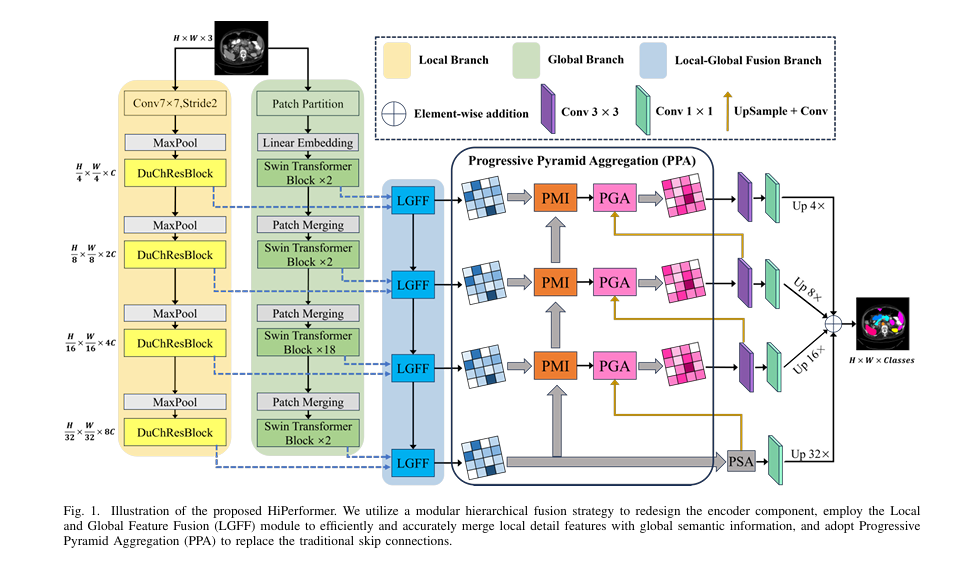
HiPerformer: A New Benchmark in Medical Image Segmentation with Modular Hierarchical Fusion

HiPerformer: A New Benchmark in Medical Image Segmentation with Modular Hierarchical Fusion

Introduction: The Critical Need for Precision in Medical Imaging In the high-stakes world of medical diagnostics, a pixel can make all the difference. Precise image segmentation—the process of outlining and identifying specific organs, tissues, or lesions in a medical scan—is the cornerstone of modern diagnosis and treatment planning. It allows clinicians to accurately assess tumor

HiPerformer: A New Benchmark in Medical Image Segmentation with Modular Hierarchical Fusion Read More »

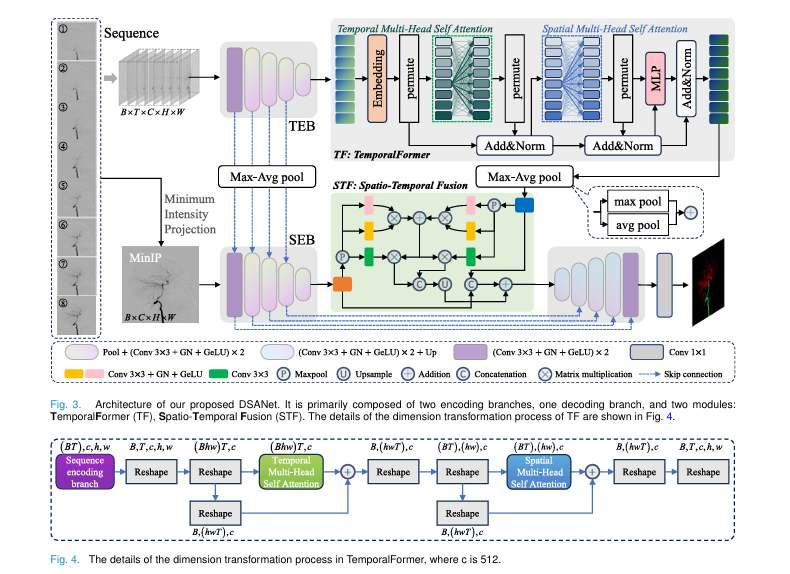
Proposed DSCA NET for image Segmentation

7 Breakthroughs & 1 Critical Flaw in DSCA: The Ultimate Digital Subtraction Angiography Dataset and Model for Cerebral Artery Segmentation

Why Cerebral Artery Segmentation Is Failing—And How DSCA Changes Everything Every 40 seconds, someone dies from a cerebrovascular disease (CVD). Stroke, aneurysms, and moyamoya disease continue to devastate lives—often because early detection fails. Despite advanced imaging like CT and MRI, Digital Subtraction Angiography (DSA) remains the gold standard for visualizing cerebral blood flow dynamics. Yet,

7 Breakthroughs & 1 Critical Flaw in DSCA: The Ultimate Digital Subtraction Angiography Dataset and Model for Cerebral Artery Segmentation Read More »

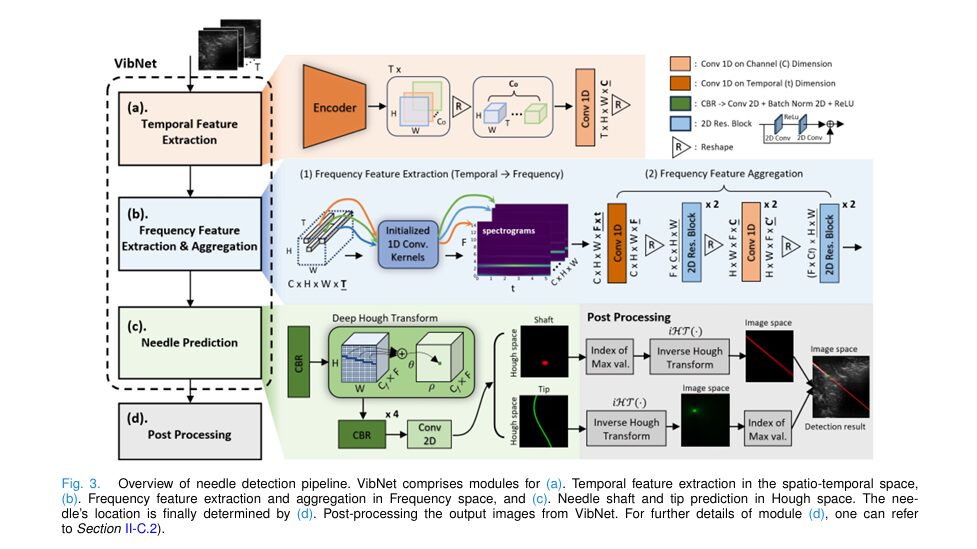
VibNet system detecting a nearly invisible needle in ultrasound using vibration-based deep learning. A red line highlights the predicted needle shaft and tip overlay on a grayscale ultrasound image

7 Revolutionary VibNet Breakthrough Detects Invisible Needles in Ultrasound – But Is It Too Good to Be True?

In the high-stakes world of ultrasound-guided medical procedures, one challenge has haunted clinicians for decades: the needle that disappears. Whether due to poor visibility, tissue artifacts, or suboptimal probe angles, losing sight of a needle tip can lead to serious complications. Now, a groundbreaking new AI system called VibNet is turning the tables—using subtle vibrations

7 Revolutionary VibNet Breakthrough Detects Invisible Needles in Ultrasound – But Is It Too Good to Be True? Read More »

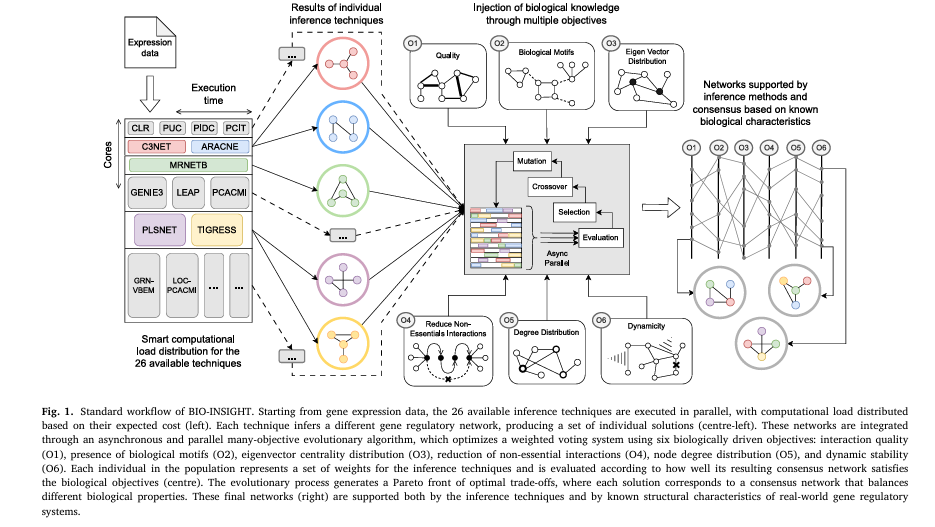
BIO-INSIGHT workflow with gene network mapping

7 Revolutionary Breakthroughs in Gene Network Mapping

7 Revolutionary Breakthroughs in Gene Network Mapping (And 1 Costly Mistake to Avoid) In the fast-evolving world of computational biology, one challenge has remained stubbornly complex: mapping gene regulatory networks (GRNs). These intricate systems control how genes turn on and off, shaping everything from cell development to disease progression. For years, scientists have struggled with

7 Revolutionary Breakthroughs in Gene Network Mapping Read More »

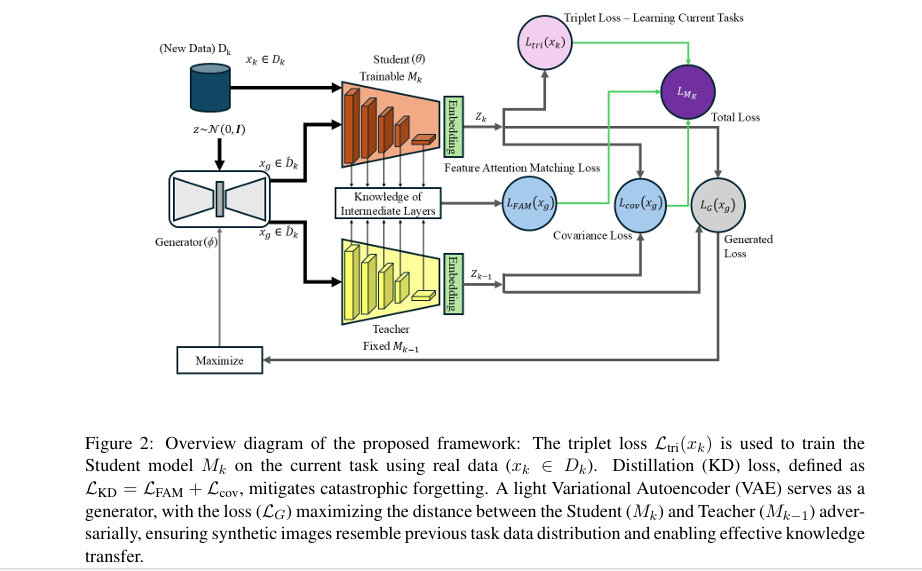
knowledge distillation model for medical diagnosis

7 Shocking Ways AI Fails at Medical Diagnosis (And the Brilliant Fix That Saves Lives)

Imagine an AI radiologist who, after learning to detect prostate cancer from MRI scans, suddenly forgets everything it knew about lung nodules when shown new chest X-rays. This isn’t a plot from a sci-fi movie—it’s a real and pressing problem in artificial intelligence called catastrophic forgetting. In the high-stakes world of medical diagnostics, where every

7 Shocking Ways AI Fails at Medical Diagnosis (And the Brilliant Fix That Saves Lives) Read More »

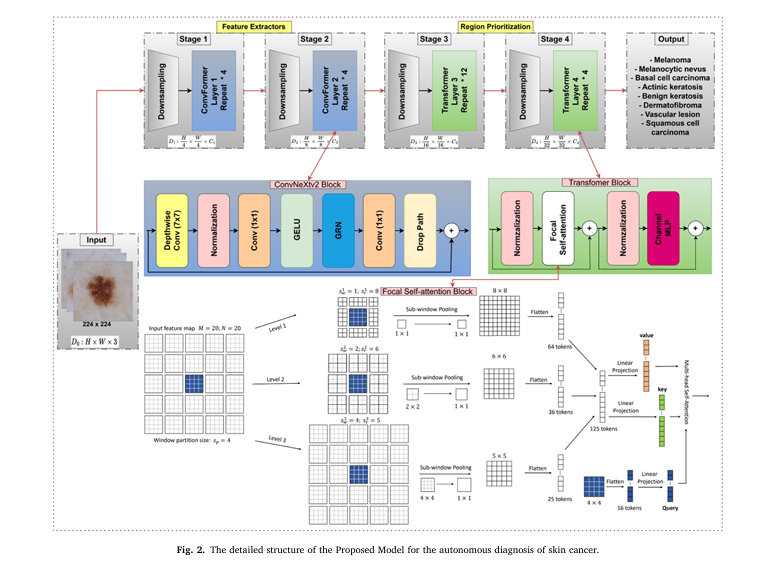
ConvNeXtV2 with Focal Self-Attention for skin cancer detection

Revolutionary Breakthroughs in Skin Cancer Detection: ConvNeXtV2 & Focal Attention

Introduction: The Silent Crisis in Skin Cancer Diagnosis Skin cancer is one of the most prevalent forms of cancer worldwide, with over 3 million cases diagnosed annually in the U.S. alone. Despite advances in dermatology, early detection remains a critical challenge — especially for aggressive types like melanoma (MEL), basal cell carcinoma (BCC), and squamous

Revolutionary Breakthroughs in Skin Cancer Detection: ConvNeXtV2 & Focal Attention Read More »

EmiNet AI model detecting moving bacteria in optical endomicroscopy images — a major leap in infection diagnosis.

7 Revolutionary Breakthroughs in Bacteria Detection: How EmiNet Outperforms Old Methods

In the fast-evolving world of medical diagnostics, early and accurate detection of bacterial infections can mean the difference between life and death. Yet, traditional methods remain slow, invasive, and often inaccurate. Now, a groundbreaking new AI-powered solution — EmiNet — is changing the game. Developed by researchers at the University of Edinburgh, EmiNet leverages synthetic

7 Revolutionary Breakthroughs in Bacteria Detection: How EmiNet Outperforms Old Methods Read More »

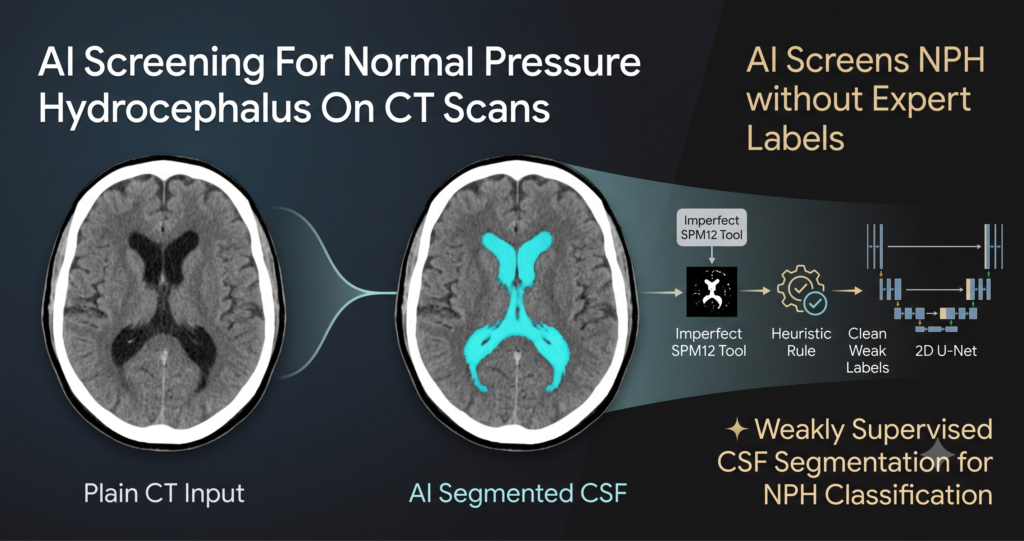
AI-powered brain scan analysis for NPH diagnosis showing CSF segmentation and ventricular volume metrics.

7 Revolutionary Breakthroughs in NPH Diagnosis: the Future of AI-Powered Brain Scans

Normal Pressure Hydrocephalus (NPH) affects thousands of elderly patients worldwide, often mimicking symptoms of Alzheimer’s or Parkinson’s disease. With early diagnosis being the key to effective treatment, the medical community has long struggled with accurate, scalable, and cost-efficient methods to detect this condition. Traditional tools like the Evans’ Index are outdated, manual segmentation is time-consuming,

7 Revolutionary Breakthroughs in NPH Diagnosis: the Future of AI-Powered Brain Scans Read More »

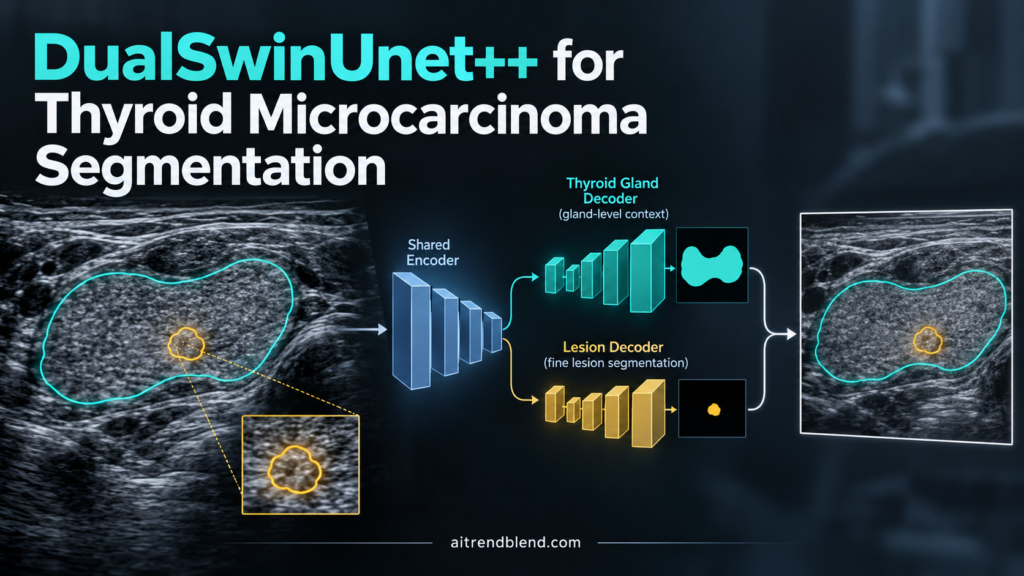
DualSwinUnet++ architecture diagram showing dual-decoder design for precise PTMC segmentation in ultrasound imaging

7 Revolutionary Breakthroughs in Thyroid Cancer AI: How DualSwinUnet++ Outperforms Old Models

In the rapidly evolving world of medical AI, few innovations have been as transformative as DualSwinUnet++—a cutting-edge deep learning model designed to revolutionize the way we detect and treat papillary thyroid microcarcinoma (PTMC). While traditional methods struggle with accuracy, speed, and real-time usability, this new architecture delivers unmatched precision, blazing-fast inference, and life-saving potential. But

7 Revolutionary Breakthroughs in Thyroid Cancer AI: How DualSwinUnet++ Outperforms Old Models Read More »

Follow by Email
Tiktok