deep learning in healthcare

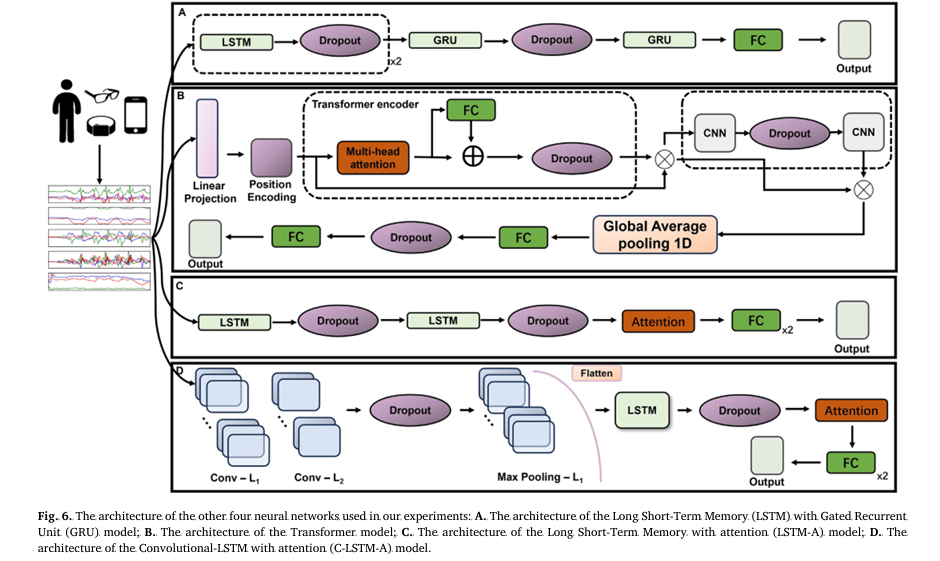
Infographic showing a person wearing smart sensors while AI models analyze activity data in real-time, highlighting accuracy, bias, and model performance trade-offs in healthcare applications.

7 Shocking Truths About Wearable AI in Healthcare: The Good, The Bad, and The Overhyped

In the rapidly evolving world of digital health, wearable AI for human activity recognition (HAR) is being hailed as a revolutionary tool—promising to transform elder care, chronic disease management, and rehabilitation. But how much of the hype is real, and how much is overblown? A groundbreaking 2025 study published in Neurocomputing dives deep into this […]

7 Shocking Truths About Wearable AI in Healthcare: The Good, The Bad, and The Overhyped Read More »
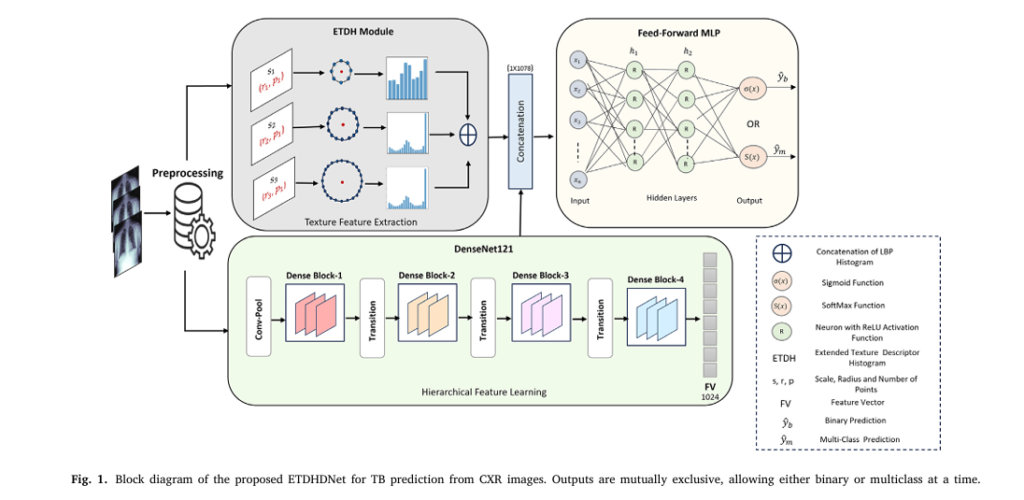
ETDHDNet model architecture for advanced tuberculosis prediction in chest X-rays – a fusion of texture analysis and deep learning.

9 Revolutionary ETDHDNet Breakthrough: The Ultimate AI Tool That’s Transforming Tuberculosis Detection (And Why Older Methods Are Failing)

Tuberculosis (TB) remains one of the world’s deadliest infectious diseases, claiming over 1.25 million lives in 2023 alone — more than daily deaths from COVID-19 at its peak. Despite advances in medicine, early and accurate diagnosis continues to challenge healthcare systems globally, especially in low-resource regions where access to skilled radiologists is limited. Now, a

9 Revolutionary ETDHDNet Breakthrough: The Ultimate AI Tool That’s Transforming Tuberculosis Detection (And Why Older Methods Are Failing) Read More »

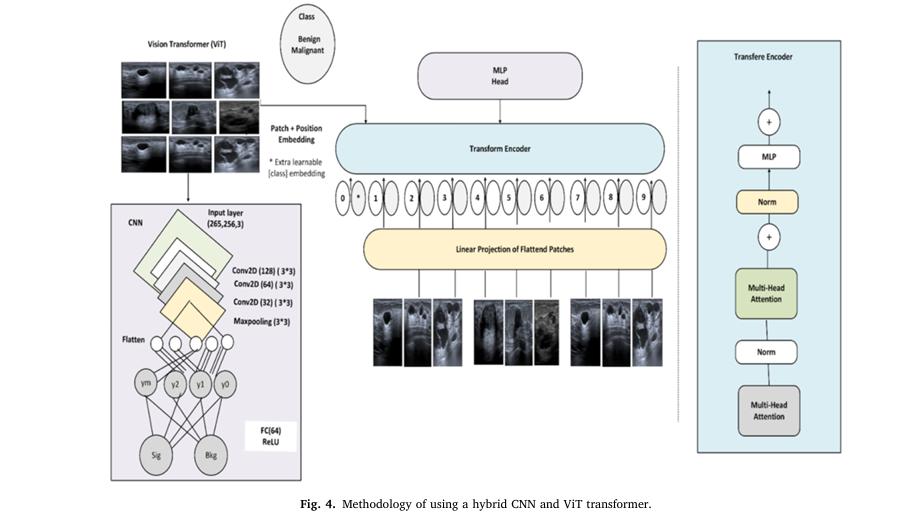
Hybrid CNN-ViT model analyzing breast ultrasound images from the KAUH-BCUSD dataset, achieving 95.12% classification accuracy.”

Revolutionary Breakthroughs in Breast Cancer Detection: The +95% Accuracy Model vs. Outdated Methods

Breast cancer remains the leading cause of cancer-related deaths among women worldwide—but what if we told you a new AI-powered breakthrough could change that forever? In a landmark study published in Intelligence-Based Medicine, researchers from Jordan have unveiled a hybrid deep learning model that achieves an astonishing 95.12% accuracy in classifying breast tumors from ultrasound

Revolutionary Breakthroughs in Breast Cancer Detection: The +95% Accuracy Model vs. Outdated Methods Read More »

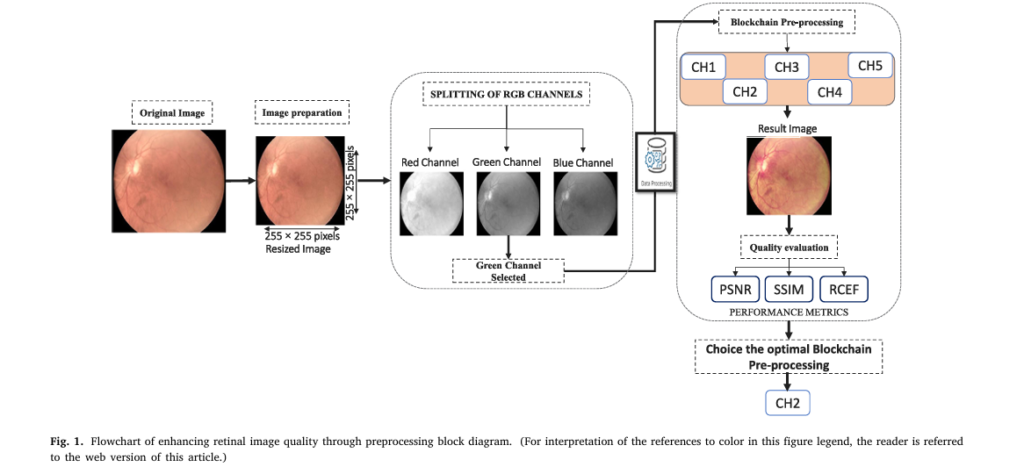
AI analyzing retinal scan on smartphone – real-time diabetic retinopathy detection using DenseNet-121 and oDocs nun IR camera”

7 Revolutionary Breakthroughs in Diabetic Retinopathy Detection – How AI Is Saving Sight (And Why Most Mobile Apps Fail)

The Silent Thief of Sight: Diabetic Retinopathy’s Global Crisis Every 20 seconds, someone in the world loses their vision due to diabetic retinopathy (DR)—a complication of diabetes that damages the retina. With over 463 million diabetics globally—a number projected to rise to 700 million by 2025—DR has become the leading cause of preventable blindness in

7 Revolutionary Breakthroughs in Diabetic Retinopathy Detection – How AI Is Saving Sight (And Why Most Mobile Apps Fail) Read More »

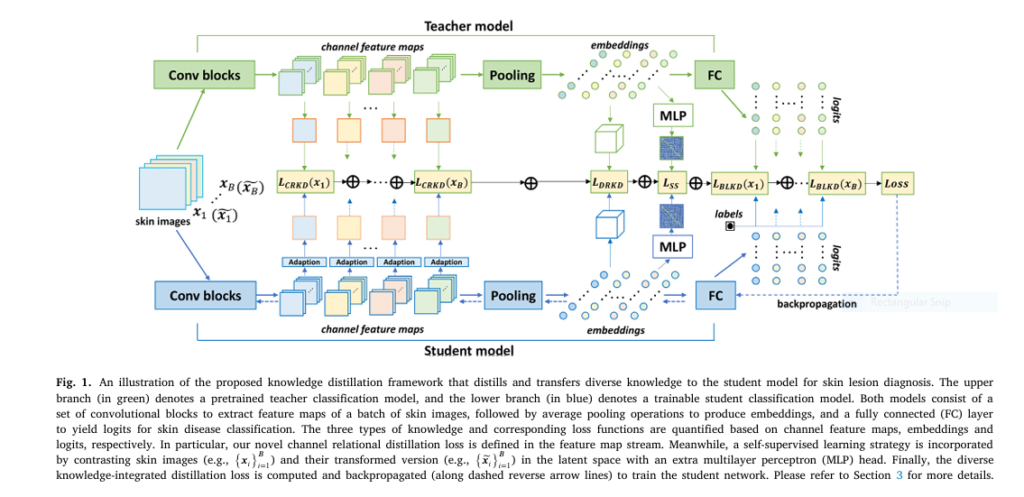
A novel SSD-KD framework for Skin Cancer Detection

5 Shocking Secrets of Skin Cancer Detection: How This SSD-KD AI Method Beats the Competition (And Why Others Fail)

The Hidden Crisis in AI Skin Cancer Diagnosis: A 7% Accuracy Gap That Could Cost Lives Every year, millions of people face the terrifying reality of skin cancer. With over 5 million cases diagnosed annually in the U.S. alone, early detection isn’t just important—it’s life-saving. Artificial Intelligence (AI) promised a revolution in dermatology, offering dermatologist-level

5 Shocking Secrets of Skin Cancer Detection: How This SSD-KD AI Method Beats the Competition (And Why Others Fail) Read More »

7 Revolutionary Breakthroughs in Skin Cancer Detection: How a New AI Model Outperforms Experts (And Why Older Methods Fail)

7 Revolutionary Breakthroughs in Skin Cancer Detection: How a New AI Model Outperforms Experts (And Why Older Methods Fail)

Skin cancer is one of the most common—and most deadly—forms of cancer worldwide. If detected at an advanced stage, melanoma, the most fatal type, has a 10-year survival rate of less than 39%. But here’s the hopeful news: early detection can boost that survival rate to over 93%. The challenge? Accurate, timely diagnosis. Dermatologists, even

7 Revolutionary Breakthroughs in Skin Cancer Detection: How a New AI Model Outperforms Experts (And Why Older Methods Fail) Read More »

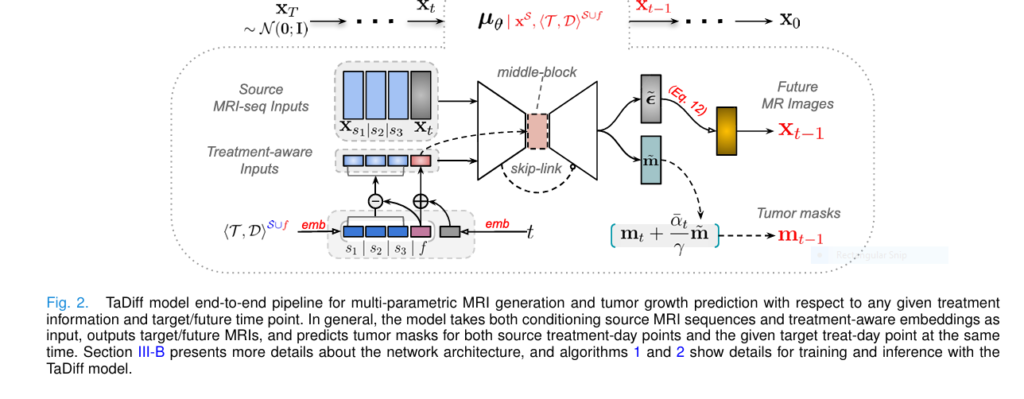
Overview of TaDiff Diffusion Models

10 Groundbreaking Innovations in Treatment-Aware Diffusion Models for Longitudinal MRI and Diffuse Glioma

Introduction: The Future of Glioma Prediction and MRI Generation The medical field has seen a surge in AI-driven diagnostic tools , and one of the most promising advancements is the Treatment-Aware Diffusion Probabilistic Model (TaDiff) . This cutting-edge technology is revolutionizing how we approach diffuse glioma growth prediction and longitudinal MRI generation . In this

10 Groundbreaking Innovations in Treatment-Aware Diffusion Models for Longitudinal MRI and Diffuse Glioma Read More »

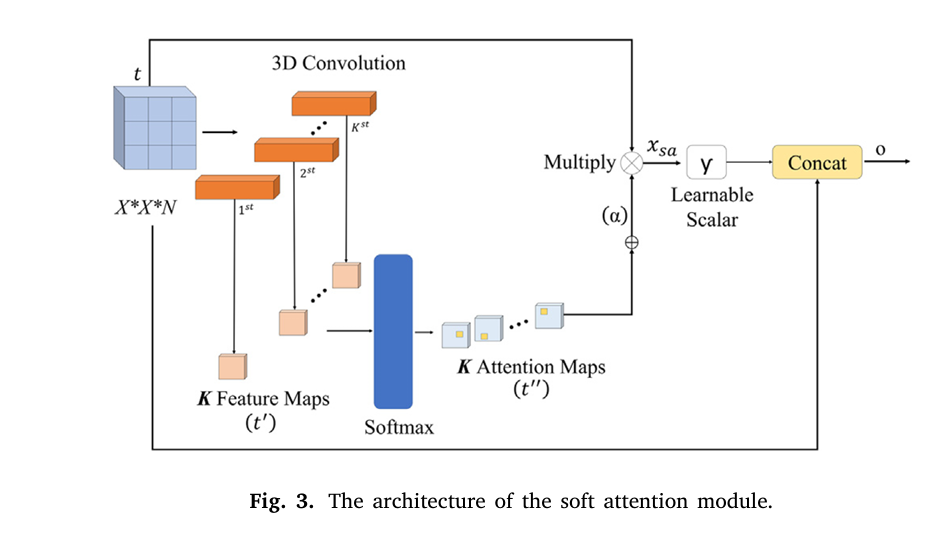
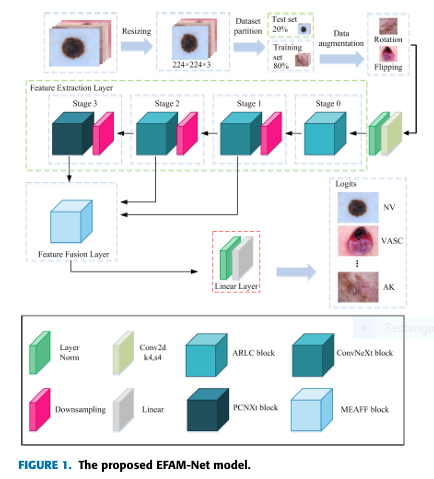
EFAM-Net: The Future of Skin Lesion Classification with Enhanced Feature Fusion (2024 Breakthrough)

Introduction: A Major Breakthrough in Skin Cancer Detection (2024) Skin cancer is one of the most common and potentially deadly forms of cancer worldwide. According to recent studies, over 3 million people in the U.S. alone are affected by skin cancer annually. Early detection is crucial for improving survival rates, yet traditional diagnostic methods often

EFAM-Net: The Future of Skin Lesion Classification with Enhanced Feature Fusion (2024 Breakthrough) Read More »

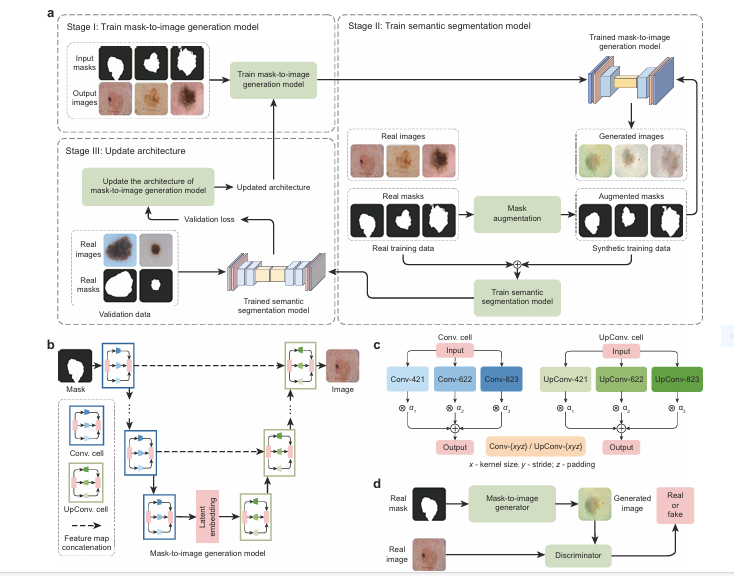
Diagram illustrating GenSeg’s multi-level optimization for ultra low-data medical image segmentation

GenSeg: Revolutionizing Medical Image Segmentation with End-to-End Synthetic Data Generation (2025 Breakthrough)

Introduction: The Data Scarcity Problem in Medical Imaging Medical imaging is at the heart of modern diagnostics, enabling clinicians to detect, monitor, and treat a wide range of conditions—from cancer to neurological disorders. However, one of the most pressing challenges in this field is the scarcity of labeled training data . Annotating medical images is

GenSeg: Revolutionizing Medical Image Segmentation with End-to-End Synthetic Data Generation (2025 Breakthrough) Read More »

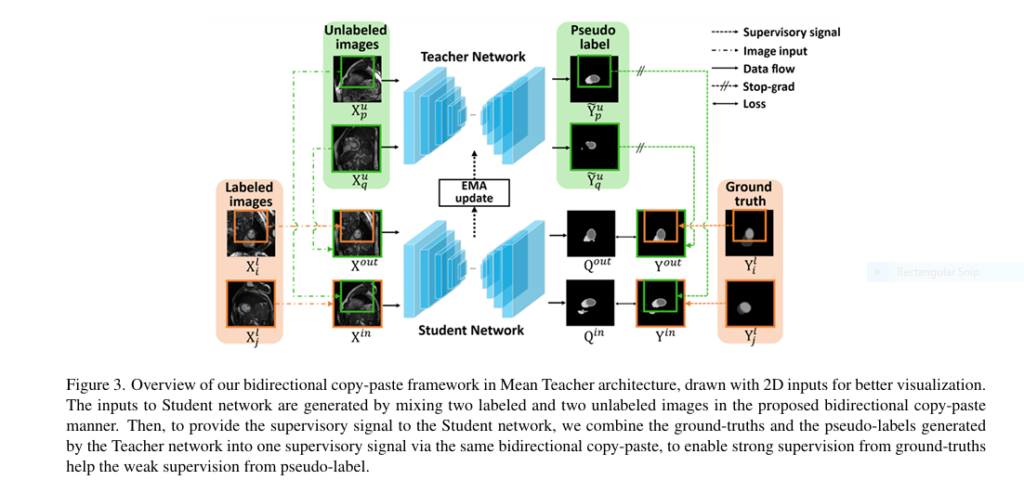
Medical AI using bidirectional copy-paste technique in semi-supervised segmentation

Bidirectional Copy-Paste Revolutionizes Semi-Supervised Medical Image Segmentation (21% Dice Improvement Achieved, but Challenges Remain)

Introduction: A Breakthrough in Medical Imaging with BCP In the ever-evolving field of medical imaging, precision and efficiency are paramount. The ability to accurately segment anatomical structures from CT or MRI scans is crucial for diagnosis, treatment planning, and research. However, the process of manually labeling these images is both time-consuming and expensive. Enter semi-supervised

Bidirectional Copy-Paste Revolutionizes Semi-Supervised Medical Image Segmentation (21% Dice Improvement Achieved, but Challenges Remain) Read More »

Follow by Email
Tiktok