deep learning medical imaging

tbconvl-net-hybrid-medical-image-segmentation

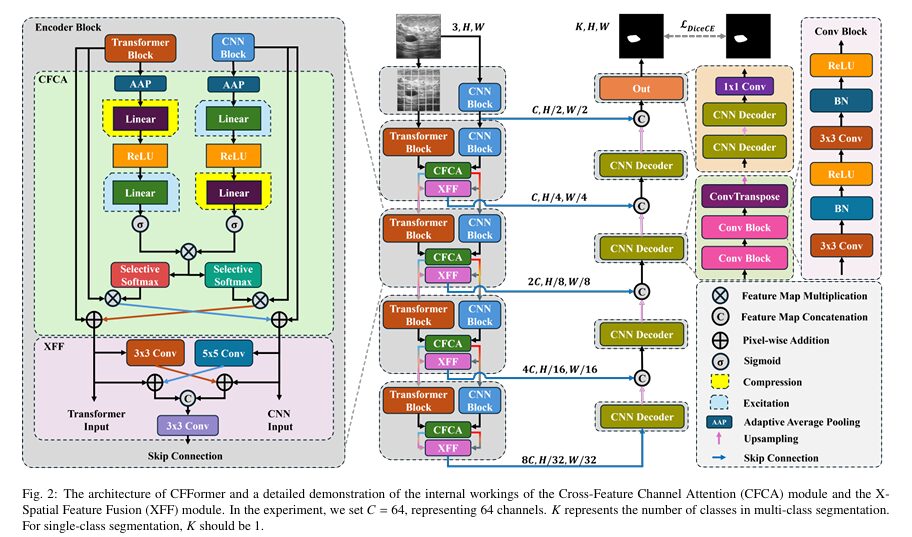
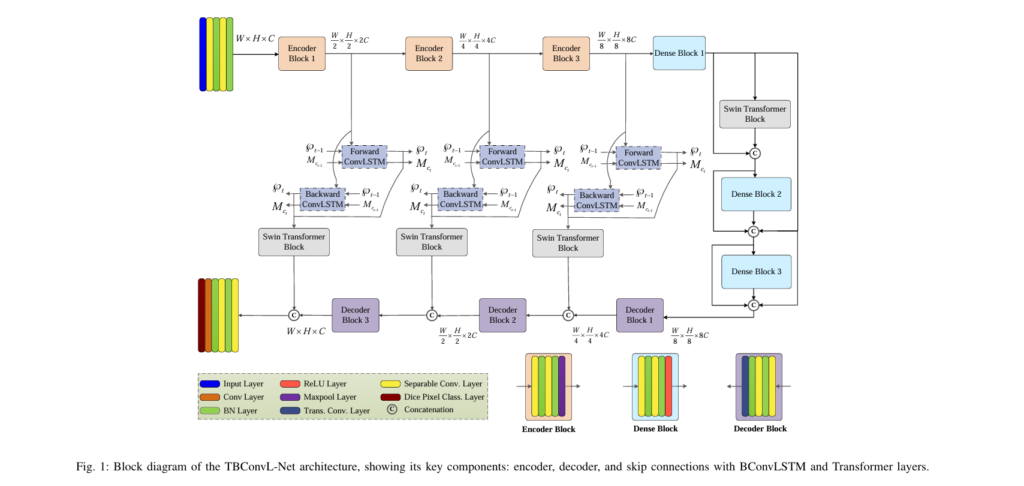
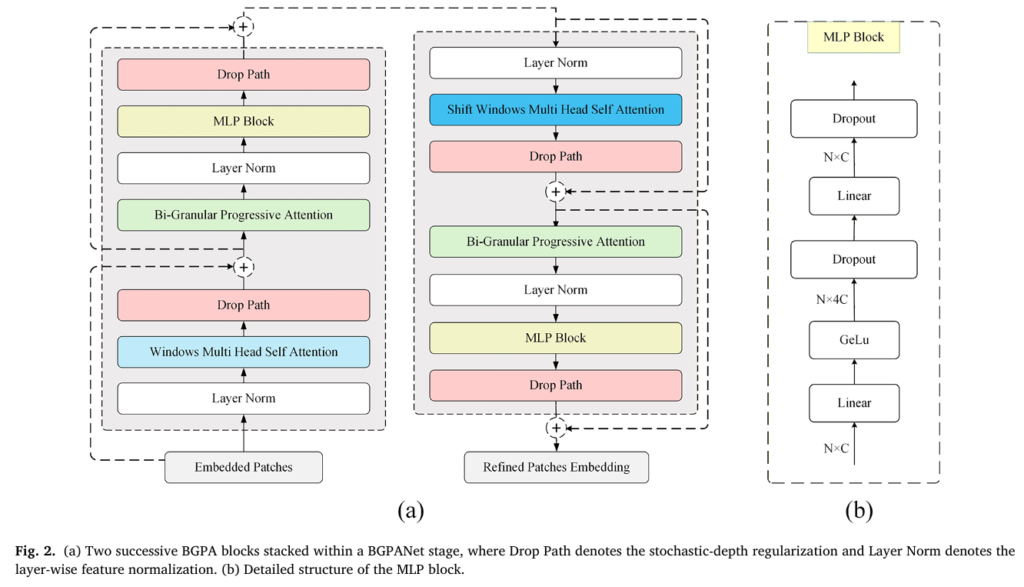
TBConvL-Net: A Hybrid CNN–Transformer–ConvLSTM Framework for Robust Medical Image Segmentation

Medical image segmentation stands at the center of modern diagnostic intelligence. The precise delineation of tumors, lesions, organs, and anatomical structures is essential in clinical workflows, influencing tasks such as treatment planning, early disease detection, and quantitative analysis. However, segmentation remains fundamentally challenging due to the diversity of imaging modalities, variations in lesion shapes and […]

TBConvL-Net: A Hybrid CNN–Transformer–ConvLSTM Framework for Robust Medical Image Segmentation Read More »

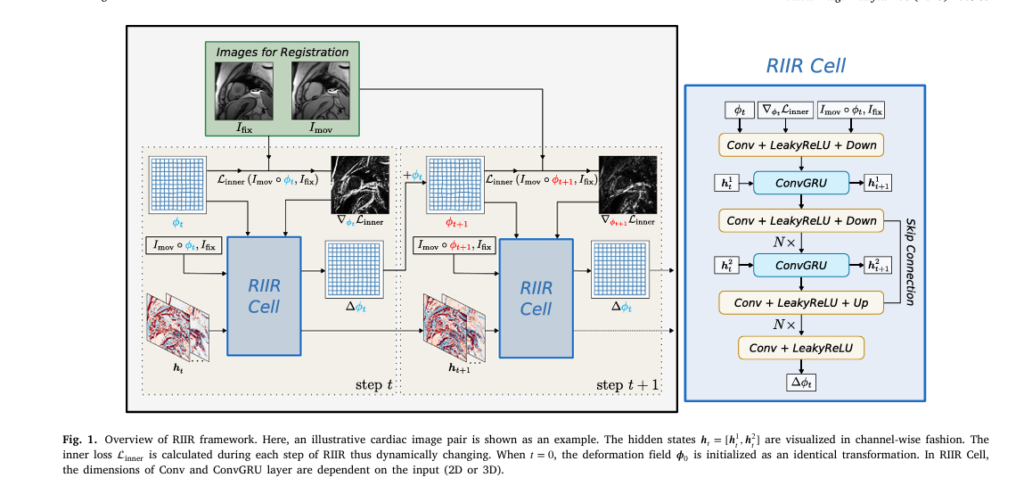
Illustration showing a futuristic AI-powered medical imaging analyzing a brain MRI, with digital neural network pathways glowing in blue, symbolizing the Recurrent Inference Image Registration (RIIR) process.

7 Revolutionary Breakthroughs in AI Medical Imaging: The Good, the Bad, and the Future of RIIR

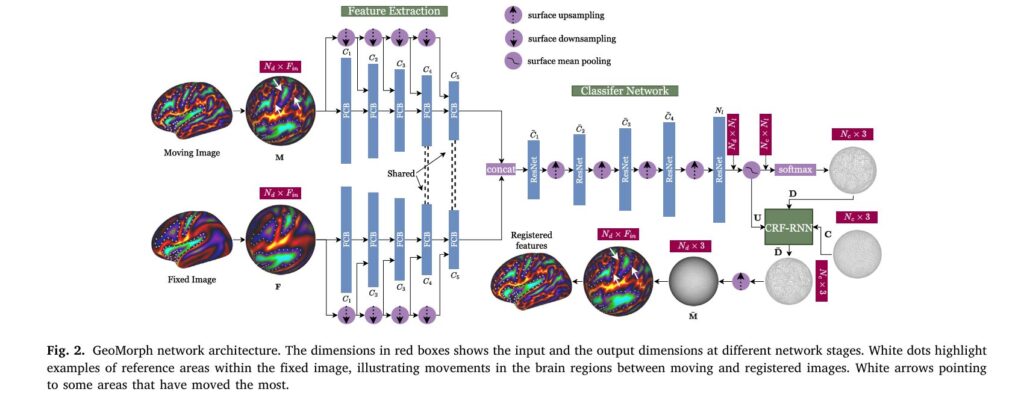
In the rapidly evolving world of medical imaging, a groundbreaking new technology is emerging that promises to redefine how doctors align and analyze patient scans. Meet the Recurrent Inference Image Registration (RIIR) network—a revolutionary deep learning framework that’s not only faster and more accurate than traditional methods but also works with dramatically less data. This

7 Revolutionary Breakthroughs in AI Medical Imaging: The Good, the Bad, and the Future of RIIR Read More »

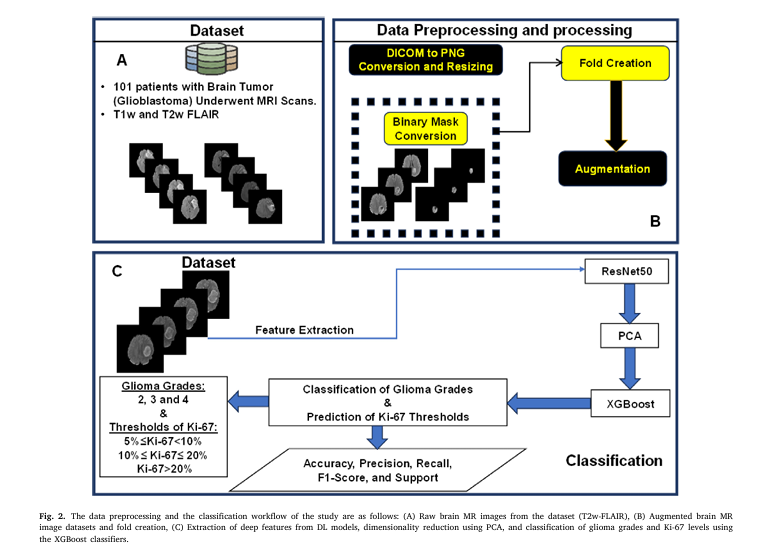
AI-powered glioma grading using ResNet50, SHAP analysis, and XGBoost for non-invasive brain tumor grading and Ki-67 prediction in MRI scans

7 Breakthrough AI Insights: How Machine Learning Predicts Glioma Grading

Revolutionizing Brain Tumor Diagnosis: The Future of AI in Glioma Classification In the high-stakes world of neuro-oncology, accuracy saves lives — and misdiagnosis can be fatal. Gliomas, the most aggressive primary brain tumors in adults, have a median survival of just 15 months. Traditional diagnosis relies on invasive biopsies and subjective histopathological analysis. But what

7 Breakthrough AI Insights: How Machine Learning Predicts Glioma Grading Read More »

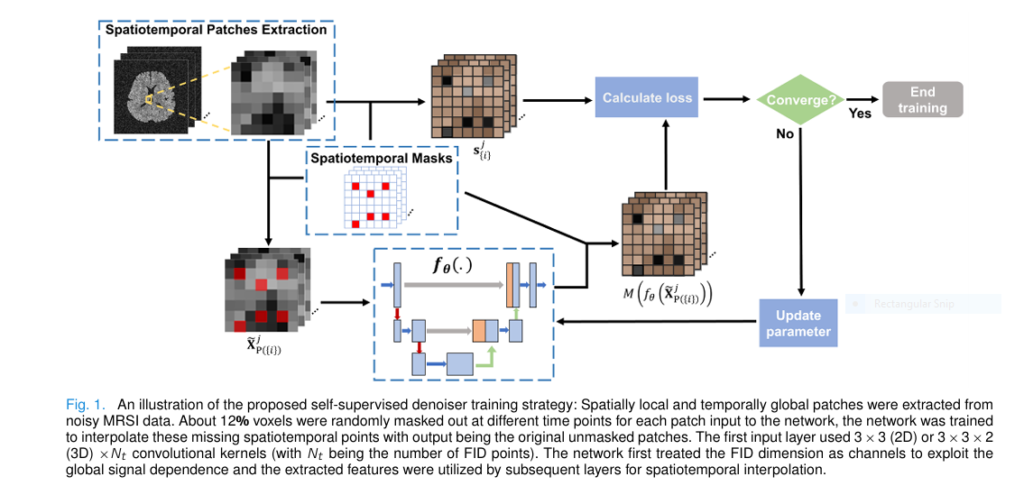
Illustration of 3D brain metabolite maps reconstructed using a new spatiotemporal denoising and subspace method vs. traditional noisy MRSI results.

7 Revolutionary Breakthroughs in MR Spectroscopic Imaging: How a Powerful New Method Beats Old, Inaccurate Techniques

Magnetic Resonance Spectroscopic Imaging (MRSI) has long been hailed as a powerful tool for non-invasive molecular mapping of the brain. Yet, for decades, its clinical and research potential has been held back by one persistent enemy: noise. Traditional MRSI methods produce blurry, low-resolution images with poor signal-to-noise ratio (SNR), making it difficult to distinguish subtle

7 Revolutionary Breakthroughs in MR Spectroscopic Imaging: How a Powerful New Method Beats Old, Inaccurate Techniques Read More »

Follow by Email
Tiktok