Medical image segmentation

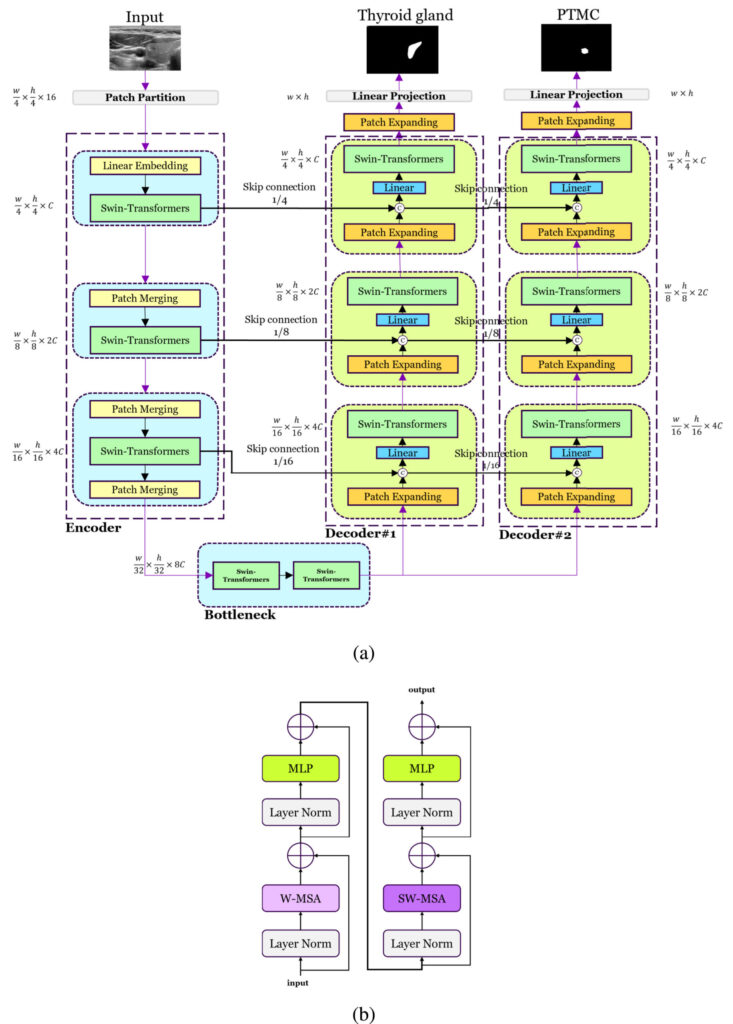
DualSwinUnet++ architecture diagram showing dual-decoder design for precise PTMC segmentation in ultrasound imaging

7 Revolutionary Breakthroughs in Thyroid Cancer AI: How DualSwinUnet++ Outperforms Old Models

In the rapidly evolving world of medical AI, few innovations have been as transformative as DualSwinUnet++—a cutting-edge deep learning model designed to revolutionize the way we detect and treat papillary thyroid microcarcinoma (PTMC). While traditional methods struggle with accuracy, speed, and real-time usability, this new architecture delivers unmatched precision, blazing-fast inference, and life-saving potential. But […]

7 Revolutionary Breakthroughs in Thyroid Cancer AI: How DualSwinUnet++ Outperforms Old Models Read More »

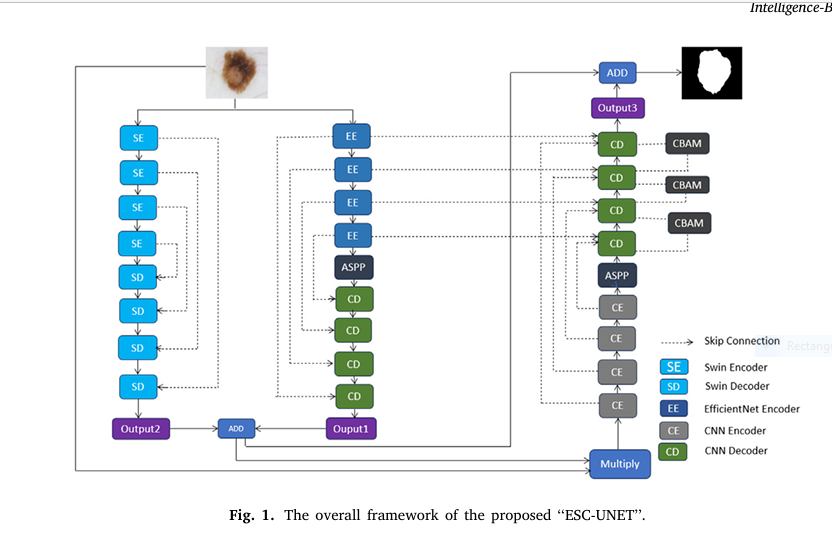
Visual comparison of skin lesion segmentation using U-Net, Att-UNet, and ESC-UNET on ISIC 2016 dataset showing superior edge detection and accuracy of ESC-UNET.

7 Revolutionary Breakthroughs in Skin Lesion Segmentation — The Dark Truth About Traditional Methods vs. ESC-UNET’s AI Power

Why 99.5% of Melanoma Patients Survive — But Only If We Catch It Early Melanoma is a silent killer. Yet, if detected early, 99.5% of patients survive. Wait until it spreads, and survival plummets to just 14%. This shocking contrast underscores a critical truth in modern medicine: early detection saves lives. And at the heart

7 Revolutionary Breakthroughs in Skin Lesion Segmentation — The Dark Truth About Traditional Methods vs. ESC-UNET’s AI Power Read More »

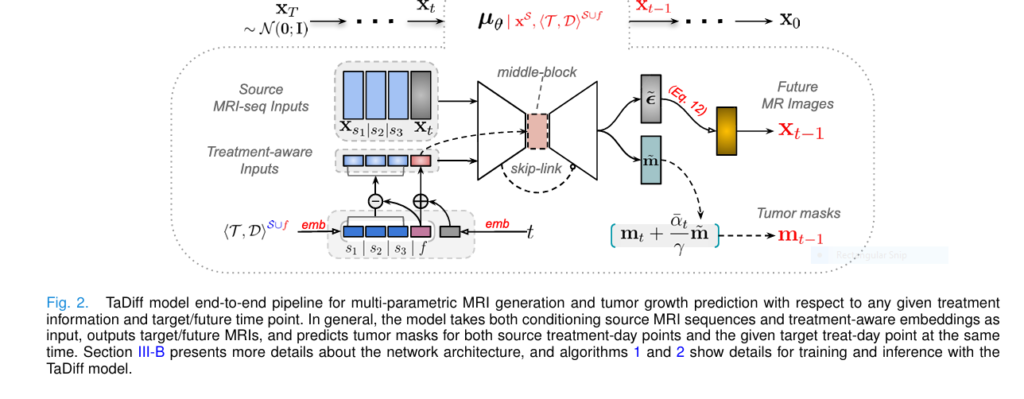
Overview of TaDiff Diffusion Models

10 Groundbreaking Innovations in Treatment-Aware Diffusion Models for Longitudinal MRI and Diffuse Glioma

Introduction: The Future of Glioma Prediction and MRI Generation The medical field has seen a surge in AI-driven diagnostic tools , and one of the most promising advancements is the Treatment-Aware Diffusion Probabilistic Model (TaDiff) . This cutting-edge technology is revolutionizing how we approach diffuse glioma growth prediction and longitudinal MRI generation . In this

10 Groundbreaking Innovations in Treatment-Aware Diffusion Models for Longitudinal MRI and Diffuse Glioma Read More »

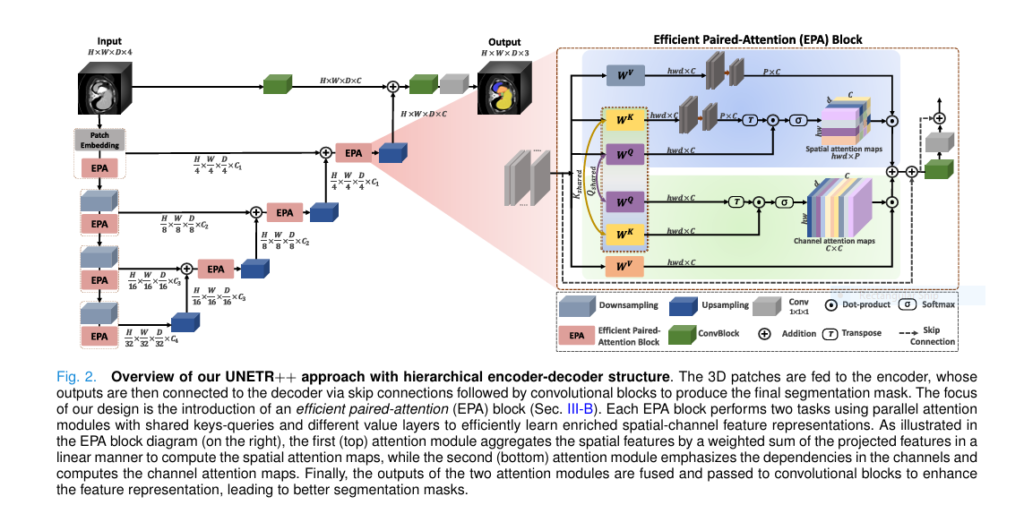
UNETR++ outperforms traditional 3D medical image segmentation methods with 71% fewer parameters and higher accuracy.

UNETR++ vs. Traditional Methods: A 3D Medical Image Segmentation Breakthrough with 71% Efficiency Boost

Introduction: The Evolution of 3D Medical Image Segmentation Medical imaging has always been a cornerstone of diagnostics, treatment planning, and disease monitoring. Among the most critical tasks in this field is 3D medical image segmentation , which enables precise delineation of anatomical structures and pathological regions in volumetric data such as CT scans and MRIs.

UNETR++ vs. Traditional Methods: A 3D Medical Image Segmentation Breakthrough with 71% Efficiency Boost Read More »

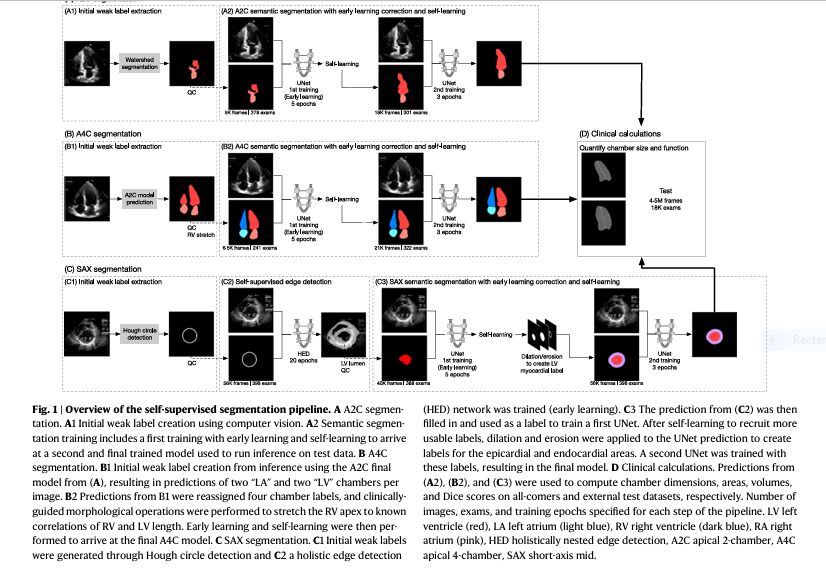
AI in Cardiac Ultrasound: Self-Supervised Learning Revolutionizing Heart Imaging

5 Revolutionary Breakthroughs in AI-Powered Cardiac Ultrasound: Unlocking Self-Supervised Learning (While Overcoming Manual Labeling Challenges)

Introduction: The Future of Cardiac Ultrasound is Here — Thanks to Self-Supervised Learning Cardiovascular diseases remain the leading cause of death globally, with early and accurate diagnosis being a life-saving necessity. Cardiac ultrasound, or echocardiography, plays a pivotal role in diagnosing heart conditions by visualizing the structure and function of the heart. However, the manual

5 Revolutionary Breakthroughs in AI-Powered Cardiac Ultrasound: Unlocking Self-Supervised Learning (While Overcoming Manual Labeling Challenges) Read More »

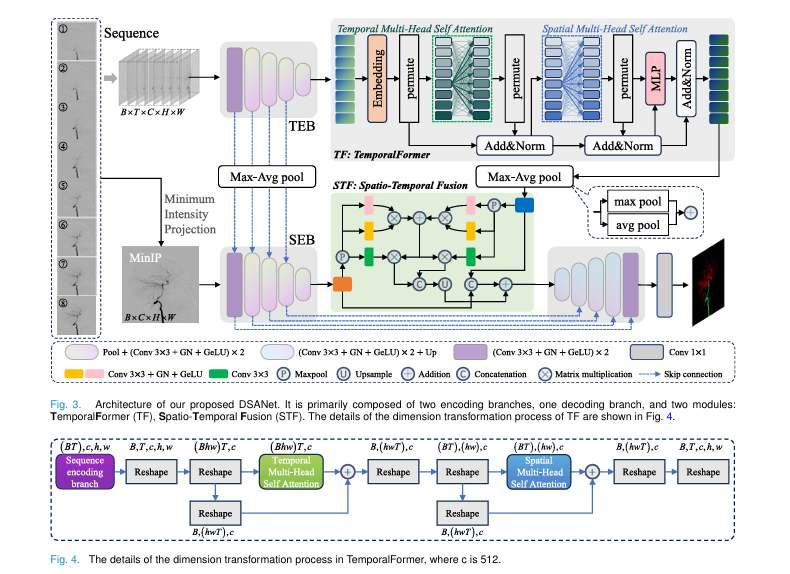
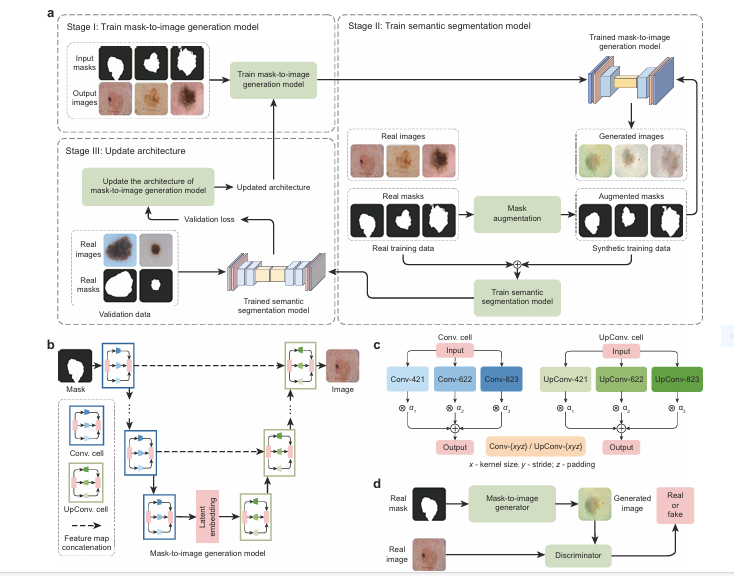
Diagram illustrating GenSeg’s multi-level optimization for ultra low-data medical image segmentation

GenSeg: Revolutionizing Medical Image Segmentation with End-to-End Synthetic Data Generation (2025 Breakthrough)

Introduction: The Data Scarcity Problem in Medical Imaging Medical imaging is at the heart of modern diagnostics, enabling clinicians to detect, monitor, and treat a wide range of conditions—from cancer to neurological disorders. However, one of the most pressing challenges in this field is the scarcity of labeled training data . Annotating medical images is

GenSeg: Revolutionizing Medical Image Segmentation with End-to-End Synthetic Data Generation (2025 Breakthrough) Read More »

Medical AI using bidirectional copy-paste technique in semi-supervised segmentation

Bidirectional Copy-Paste Revolutionizes Semi-Supervised Medical Image Segmentation (21% Dice Improvement Achieved, but Challenges Remain)

Introduction: A Breakthrough in Medical Imaging with BCP In the ever-evolving field of medical imaging, precision and efficiency are paramount. The ability to accurately segment anatomical structures from CT or MRI scans is crucial for diagnosis, treatment planning, and research. However, the process of manually labeling these images is both time-consuming and expensive. Enter semi-supervised

Bidirectional Copy-Paste Revolutionizes Semi-Supervised Medical Image Segmentation (21% Dice Improvement Achieved, but Challenges Remain) Read More »

SDCL Framework for Semi-Supervised Medical Image Segmentation

5 Revolutionary Advancements in Medical Image Segmentation: How SDCL Outperforms Existing Methods (With Math Explained)

Introduction: The Evolution of Medical Image Segmentation Medical image segmentation plays a pivotal role in diagnostics, treatment planning, and clinical research. As technology advances, the demand for accurate, efficient, and scalable segmentation methods has never been higher. However, the field faces a significant challenge: limited labeled data . Annotating medical images is time-consuming, expensive, and

5 Revolutionary Advancements in Medical Image Segmentation: How SDCL Outperforms Existing Methods (With Math Explained) Read More »

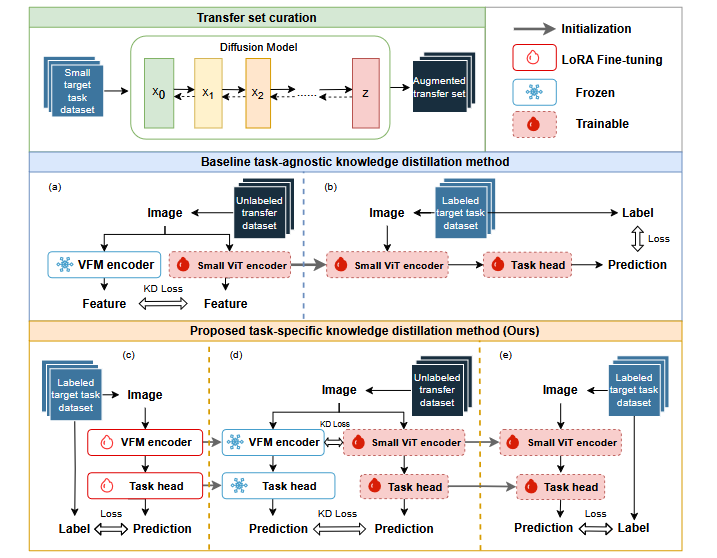
Medical AI transforming tumor segmentation with EGTA-KD technology

Revolutionary AI Breakthrough: Non-Contrast Tumor Segmentation Saves Lives & Avoids Deadly Risks

Imagine detecting deadly tumors without injecting risky contrast agents. A revolutionary AI framework called EGTA-KD is making this possible, achieving near-perfect segmentation (90.8% accuracy) on non-contrast scans while eliminating allergic reactions and kidney damage linked to traditional methods. This isn’t futuristic hype – it’s validated across brain, liver, and kidney tumors in major clinical datasets. The Deadly Cost of Current

Revolutionary AI Breakthrough: Non-Contrast Tumor Segmentation Saves Lives & Avoids Deadly Risks Read More »

SVIS-RULEX SFMOV heatmap overlay on a chest X-ray: Red/Orange areas highlight regions of high statistical significance (e.g., mean intensity, skewness, entropy) corresponding to COVID-19 lung opacities, validated by radiologists. Blue areas show less relevant tissue

3 Breakthroughs & 1 Warning: How Explainable AI SVIS-RULEX is Revolutionizing Medical Imaging (Finally!)

For years, artificial intelligence (AI) has promised to revolutionize medical diagnosis, particularly in analyzing complex medical images like X-rays, MRIs, and ultrasounds. Deep learning models consistently achieve superhuman accuracy in spotting tumors, infections, and subtle pathologies. Yet, a critical roadblock remains: the “black box” problem. How does the AI really make its decision? Without transparency, doctors hesitate to

3 Breakthroughs & 1 Warning: How Explainable AI SVIS-RULEX is Revolutionizing Medical Imaging (Finally!) Read More »

Follow by Email
Tiktok