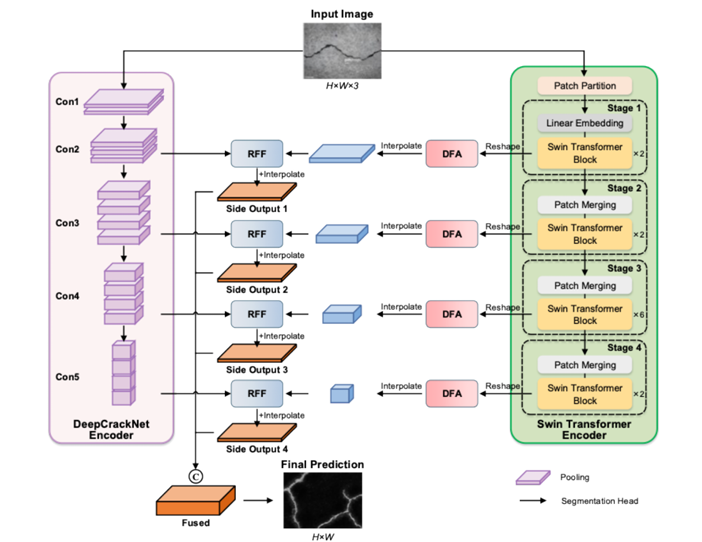
Swin Transformer

PARNet: Dual-Encoder Crack Detection with Dynamic Alignment and Residual Fusion.

PARNet: Dual-Encoder Crack Detection with Dynamic Alignment and Residual Fusion

PARNet: Dual-Encoder Crack Detection with Dynamic Alignment and Residual Fusion | AI Trend Blend AITrendBlend Machine Learning Computer Vision About Computer Vision · Advanced Engineering Informatics 74 (2026) · Shandong University · 20 min read PARNet: The Crack Detection Network That Learned to See Like a Human Inspector — and Then Outperformed Eight of Them […]

PARNet: Dual-Encoder Crack Detection with Dynamic Alignment and Residual Fusion Read More »
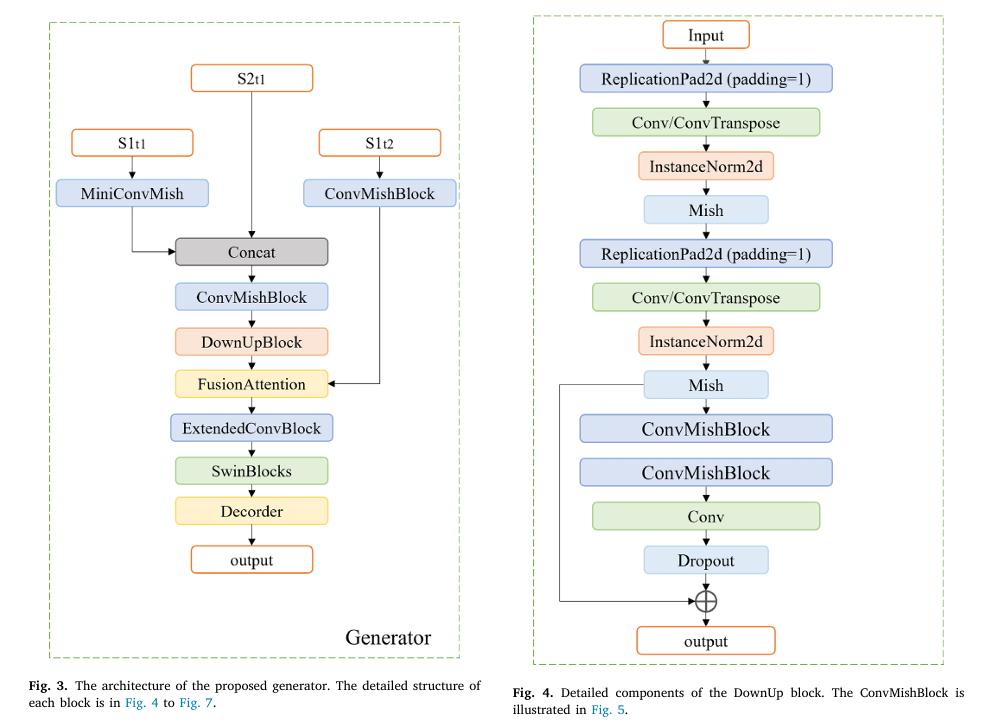
CRGenNet: Cloud-Free Optical Image Generation Using SAR and Contaminated Optical Data.

CRGenNet: Cloud-Free Optical Image Generation Using SAR and Contaminated Optical Data

CRGenNet: Cloud-Free Optical Image Generation Using SAR and Contaminated Optical Data | AI Trend Blend AITrendBlend Machine Learning Computer Vision About Remote Sensing AI · ISPRS Journal of Photogrammetry and Remote Sensing 236 (2026) 255–272 · 22 min read CRGenNet: How Satellites Can See Through Clouds by Never Assuming the Sky Is Clear Researchers at

CRGenNet: Cloud-Free Optical Image Generation Using SAR and Contaminated Optical Data Read More »

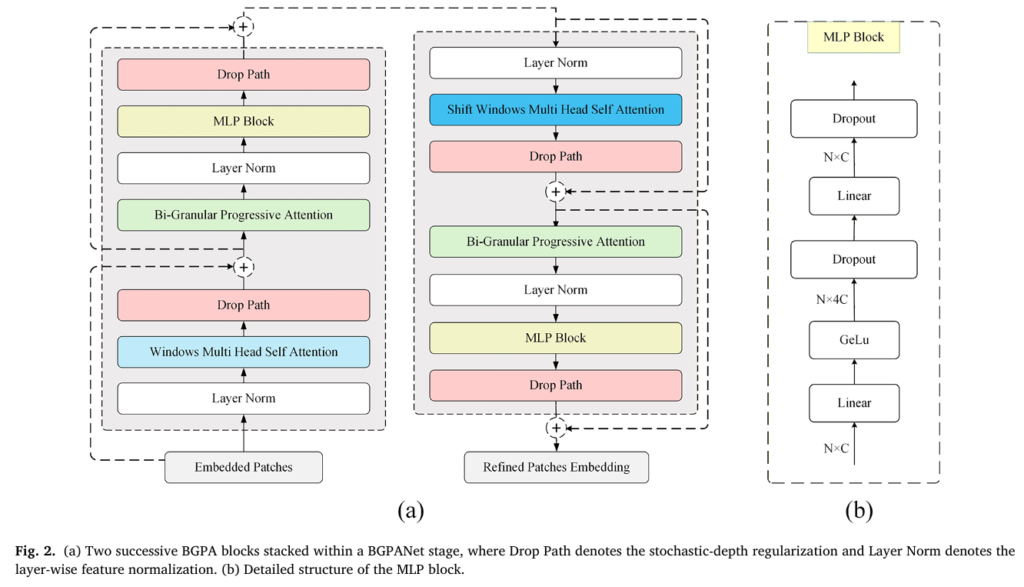
BGPANet: How Bi-Granular Progressive Attention Cracked the Skin Cancer Diagnosis Problem

BGPANet: How Bi-Granular Progressive Attention Cracked the Skin Cancer Diagnosis Problem

BGPANet: How Bi-Granular Progressive Attention Cracked the Skin Cancer Diagnosis Problem | AI Medical Research AIMedical Research Machine Learning Medical AI About Medical Image AI · Expert Systems With Applications 321 (2026) 132169 · 16 min read BGPANet: The Bi-Granular Attention Breakthrough That Finally Taught AI to Diagnose Skin Cancer Like a Dermatologist How a

BGPANet: How Bi-Granular Progressive Attention Cracked the Skin Cancer Diagnosis Problem Read More »

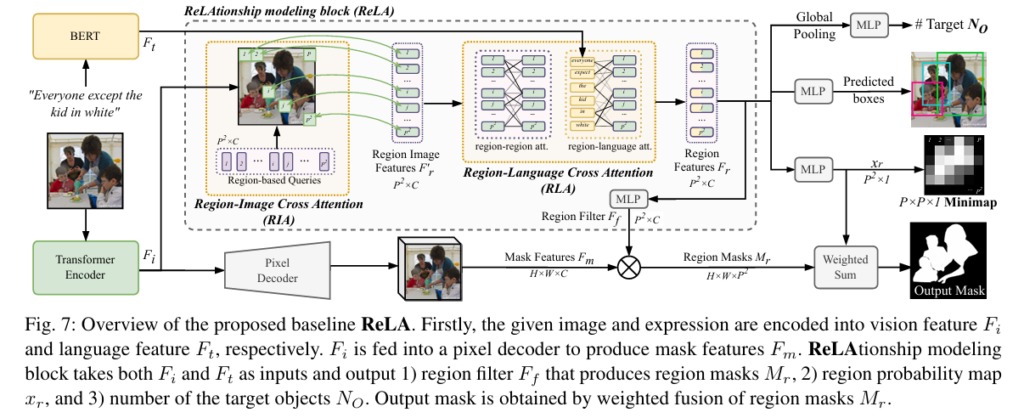
GREx: Why "All People" Breaks Every Referring Expression Model — And What NTU Did About It.

GREx: Why “All People” Breaks Every Referring Expression Model — And What NTU Did About It

GREx: Why “All People” Breaks Every Referring Expression Model — And What NTU Did About It | AI Trend Blend Vision-Language · Segmentation GREx: Why “All People” Breaks Every Referring Expression Model — And What These Researchers Did About It A team from NTU and Fudan University identified a blind spot that has haunted referring

GREx: Why “All People” Breaks Every Referring Expression Model — And What NTU Did About It Read More »

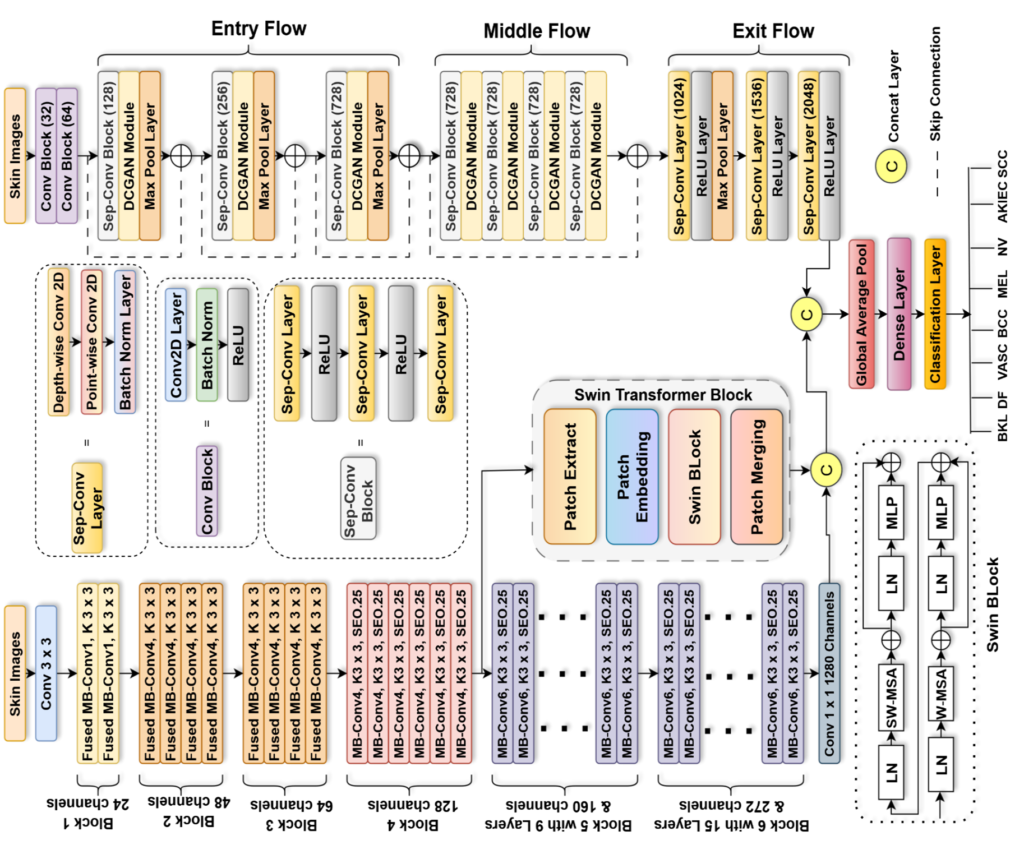
TransXV2S-Net: Revolutionary AI Architecture Achieves 95.26% Accuracy in Skin Cancer Detection

TransXV2S-Net: Revolutionary AI Architecture Achieves 95.26% Accuracy in Skin Cancer Detection

Introduction: The Critical Need for Intelligent Skin Cancer Diagnostics Skin cancer represents one of the most pervasive and rapidly growing cancer types globally, with incidence rates continuing to climb across all demographics. The primary culprits—DNA damage from ultraviolet (UV) radiation, excessive tanning bed use, and uncontrolled cellular growth—have created a public health imperative for early

TransXV2S-Net: Revolutionary AI Architecture Achieves 95.26% Accuracy in Skin Cancer Detection Read More »

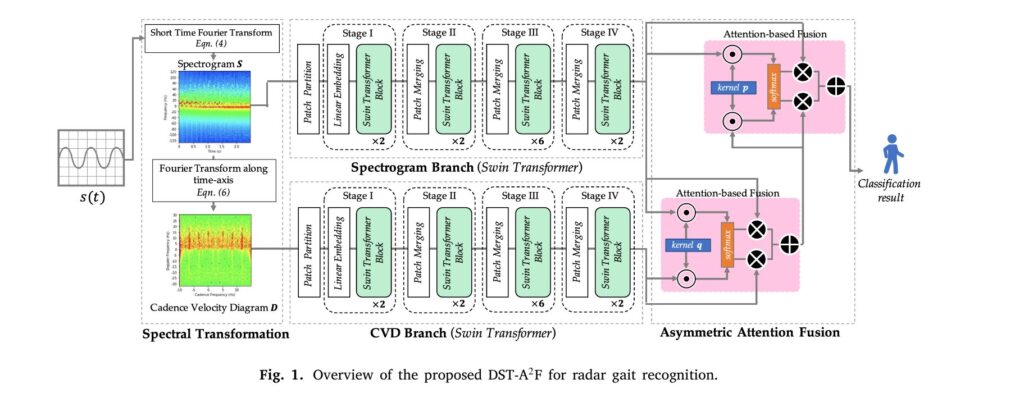
Radar Gait Recognition Using Swin Transformers: Beyond Video Surveillance

Radar Gait Recognition Using Swin Transformers: Beyond Video Surveillance

In an era where privacy concerns and environmental limitations increasingly challenge traditional video-based biometric systems, a sophisticated new approach to human identification is emerging from the intersection of radar technology and deep learning. Video-based gait recognition, while successful in many applications, suffers from significant limitations including potential privacy issues and performance degradation due to dim

Radar Gait Recognition Using Swin Transformers: Beyond Video Surveillance Read More »

CelloType: Transformer-Based Deep Learning for Automated Cell Segmentation and Classification in Tissue Imaging

CelloType: Transformer-Based Deep Learning for Automated Cell Segmentation and Classification in Tissue Imaging

Introduction Analyzing tissue images at the cellular level has become fundamental to understanding disease mechanisms, identifying therapeutic targets, and advancing personalized medicine. However, one of the most time-consuming bottlenecks in spatial omics research is the manual annotation of cells following segmentation—a laborious two-stage process that requires separating cells from tissue backgrounds, then classifying each identified

CelloType: Transformer-Based Deep Learning for Automated Cell Segmentation and Classification in Tissue Imaging Read More »

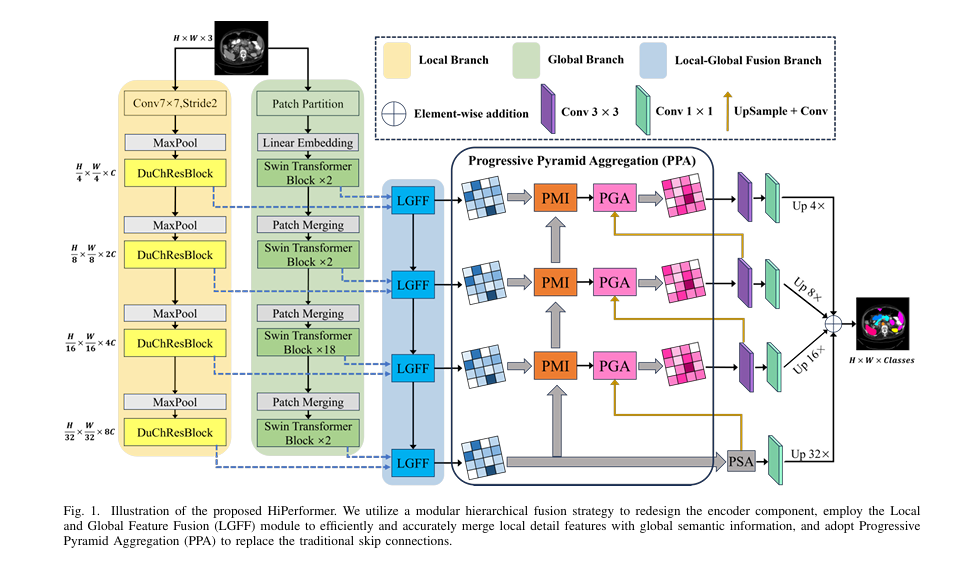
HiPerformer: A New Benchmark in Medical Image Segmentation with Modular Hierarchical Fusion

HiPerformer: A New Benchmark in Medical Image Segmentation with Modular Hierarchical Fusion

Introduction: The Critical Need for Precision in Medical Imaging In the high-stakes world of medical diagnostics, a pixel can make all the difference. Precise image segmentation—the process of outlining and identifying specific organs, tissues, or lesions in a medical scan—is the cornerstone of modern diagnosis and treatment planning. It allows clinicians to accurately assess tumor

HiPerformer: A New Benchmark in Medical Image Segmentation with Modular Hierarchical Fusion Read More »

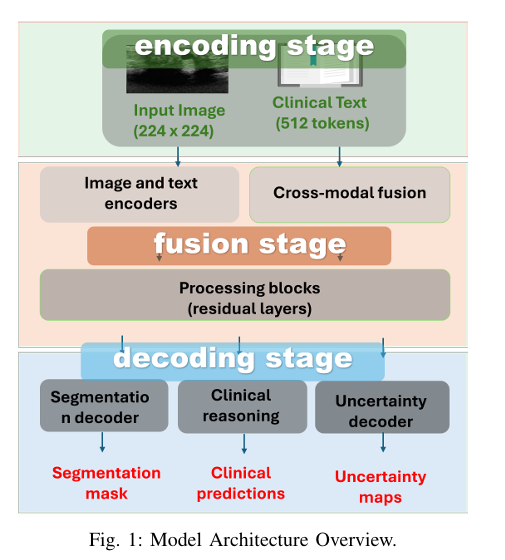
Med-CTX model architecture for explainable breast cancer ultrasound segmentation using clinical reports and BI-RADS integration

Med-CTX: Revolutionizing Breast Cancer Ultrasound Segmentation with Multimodal Transformers

Breast cancer remains one of the most prevalent cancers worldwide, with early and accurate diagnosis being crucial for effective treatment. Medical imaging, particularly ultrasound, plays a vital role in lesion detection and characterization. However, despite advances in artificial intelligence (AI), many deep learning models used for breast cancer ultrasound segmentation still function as “black boxes,”

Med-CTX: Revolutionizing Breast Cancer Ultrasound Segmentation with Multimodal Transformers Read More »

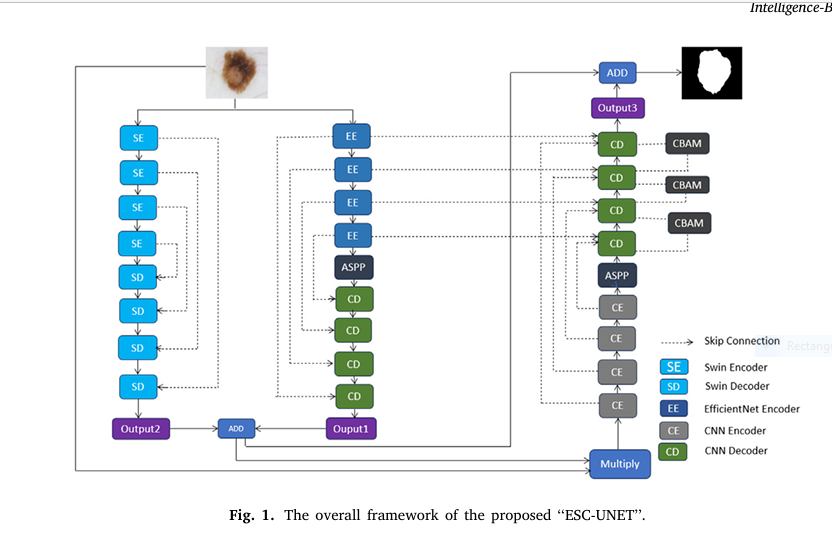
Visual comparison of skin lesion segmentation using U-Net, Att-UNet, and ESC-UNET on ISIC 2016 dataset showing superior edge detection and accuracy of ESC-UNET.

7 Revolutionary Breakthroughs in Skin Lesion Segmentation — The Dark Truth About Traditional Methods vs. ESC-UNET’s AI Power

Why 99.5% of Melanoma Patients Survive — But Only If We Catch It Early Melanoma is a silent killer. Yet, if detected early, 99.5% of patients survive. Wait until it spreads, and survival plummets to just 14%. This shocking contrast underscores a critical truth in modern medicine: early detection saves lives. And at the heart

7 Revolutionary Breakthroughs in Skin Lesion Segmentation — The Dark Truth About Traditional Methods vs. ESC-UNET’s AI Power Read More »