Adnan Saeed

Adnan Saeed is a deep learning researcher working on medical image analysis, with a focus on multimodal architectures, graph neural networks, and evidential deep learning for clinical imaging tasks. His peer reviewed research has appeared in journals across machine learning and biomedical signal processing. At AI Trend Blend he turns recent papers into clear, practical explainers, with an emphasis on what a method actually does and where it holds up, written for readers who want depth without the hype.

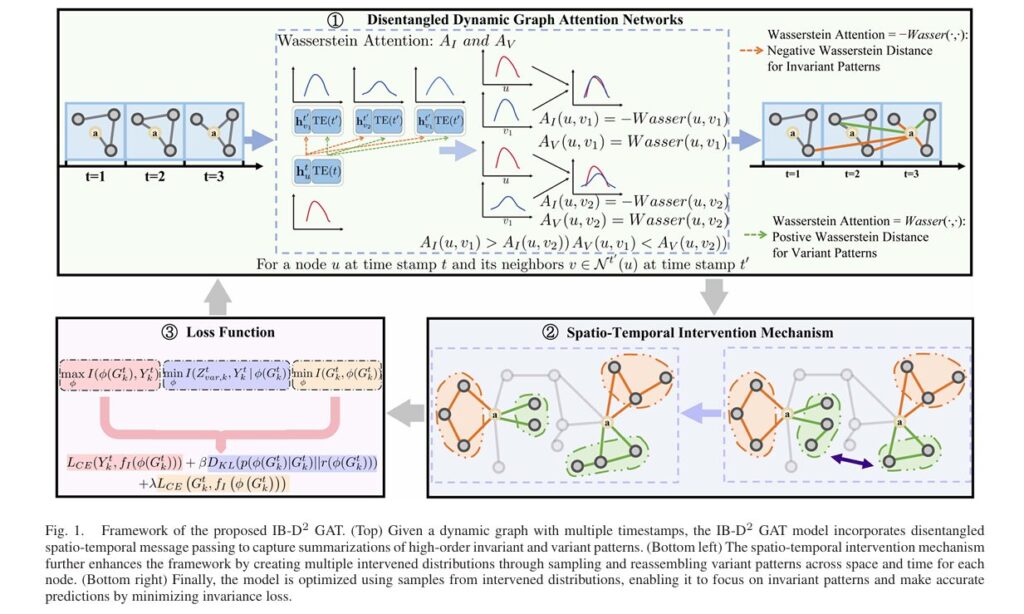
Framework of the proposed IB-D2GAT

IB-D2GAT: How Information Bottleneck Theory Revolutionizes Dynamic Graph Learning Under Distribution Shifts

Introduction: The Critical Challenge of Evolving Graph Data In an era where financial transactions occur in milliseconds, social networks reshape human interaction by the minute, and traffic patterns shift with unpredictable urban dynamics, dynamic graph neural networks (DyGNNs) have emerged as essential tools for modeling real-world systems. Unlike static graphs that capture frozen snapshots of […]
IB-D2GAT: How Information Bottleneck Theory Revolutionizes Dynamic Graph Learning Under Distribution Shifts Read More »

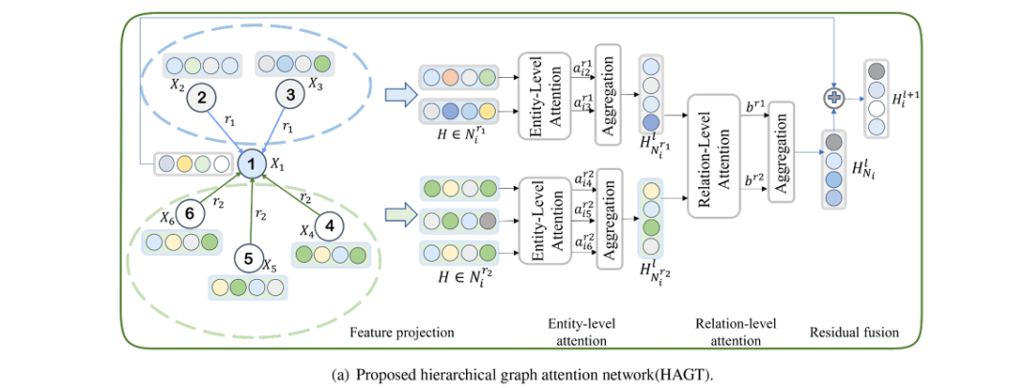
Hierarchical Graph Attention Networks: Revolutionizing Knowledge Graph Completion for Smart Manufacturing Systems

Hierarchical Graph Attention Networks: Revolutionizing Knowledge Graph Completion for Smart Manufacturing Systems

Introduction: The Critical Gap in Modern Manufacturing Intelligence In today’s rapidly evolving industrial landscape, product design and manufacturing systems (PDMS) face an unprecedented challenge: making sense of vast, interconnected data while dealing with incomplete knowledge bases. Knowledge graphs have emerged as the backbone of intelligent manufacturing, structuring complex relationships between components, materials, processes, and design

Hierarchical Graph Attention Networks: Revolutionizing Knowledge Graph Completion for Smart Manufacturing Systems Read More »

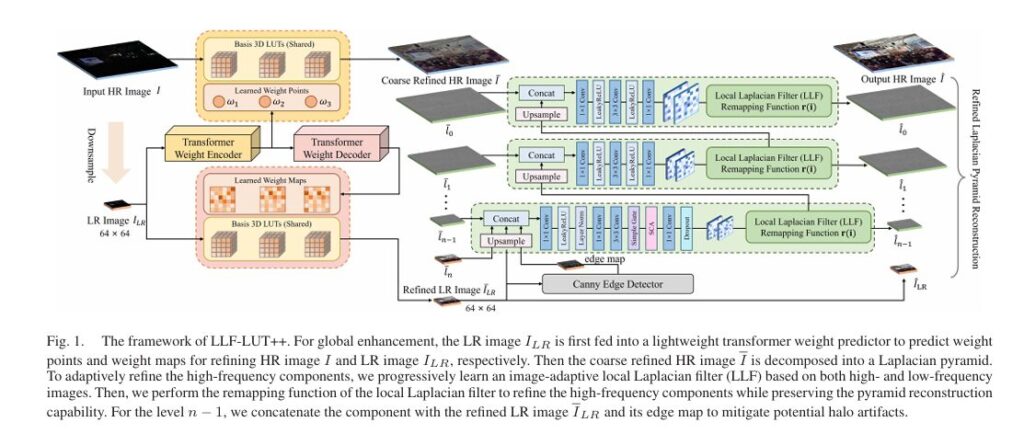
LLF-LUT++: Revolutionary Real-Time 4K Photo Enhancement Using Laplacian Pyramid Networks

LLF-LUT++: Revolutionary Real-Time 4K Photo Enhancement Using Laplacian Pyramid Networks

Introduction: The High-Resolution Enhancement Challenge Modern smartphone cameras capture stunning 48-megapixel images, yet transforming these raw captures into visually compelling photographs remains computationally demanding. Professional photographers spend hours manually adjusting tones, colors, and details using software like Photoshop or DaVinci Resolve—a luxury that real-time applications cannot afford. The artificial intelligence revolution has introduced learning-based photo

LLF-LUT++: Revolutionary Real-Time 4K Photo Enhancement Using Laplacian Pyramid Networks Read More »

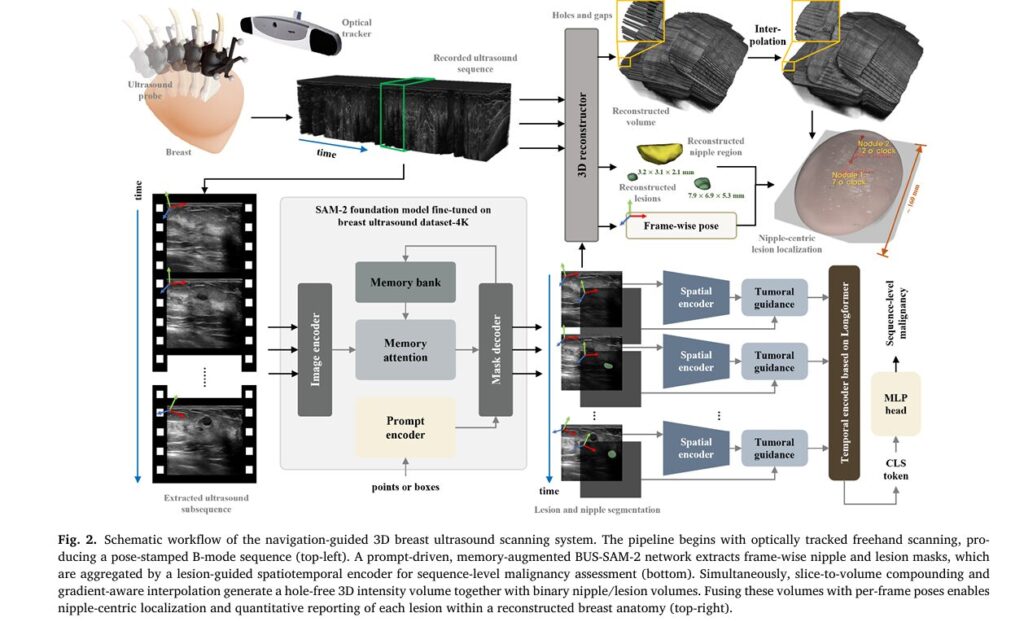
Revolutionizing Breast Cancer Detection: How AI-Powered 3D Ultrasound Navigation Is Transforming Early Diagnosis

Revolutionizing Breast Cancer Detection: How AI-Powered 3D Ultrasound Navigation Is Transforming Early Diagnosis

Introduction: The Critical Challenge in Breast Cancer Screening Breast cancer remains the leading cause of cancer-related deaths among women worldwide, accounting for 15.5% of all female cancer fatalities according to 2024 global statistics. With incidence rates rising particularly in low and middle-income regions, the need for accurate, accessible early detection has never been more urgent.

Revolutionizing Breast Cancer Detection: How AI-Powered 3D Ultrasound Navigation Is Transforming Early Diagnosis Read More »

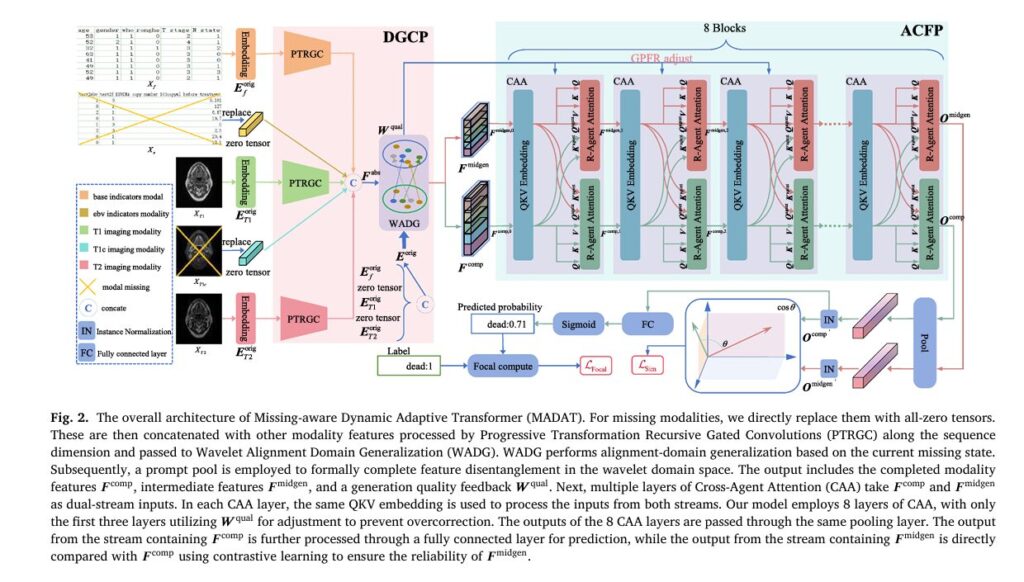
MADAT: A Revolutionary AI Framework for Medical Prognosis Prediction with Missing Multimodal Data

MADAT: A Revolutionary AI Framework for Medical Prognosis Prediction with Missing Multimodal Data

Introduction: The Critical Challenge of Incomplete Medical Data In modern healthcare, multimodal medical data—combining imaging scans, electronic health records (EHR), genetic information, and physiological parameters—has emerged as the gold standard for accurate prognosis prediction. Studies consistently demonstrate that integrating diverse data types significantly improves diagnostic accuracy, model interpretability, and personalized treatment decisions compared to unimodal

MADAT: A Revolutionary AI Framework for Medical Prognosis Prediction with Missing Multimodal Data Read More »

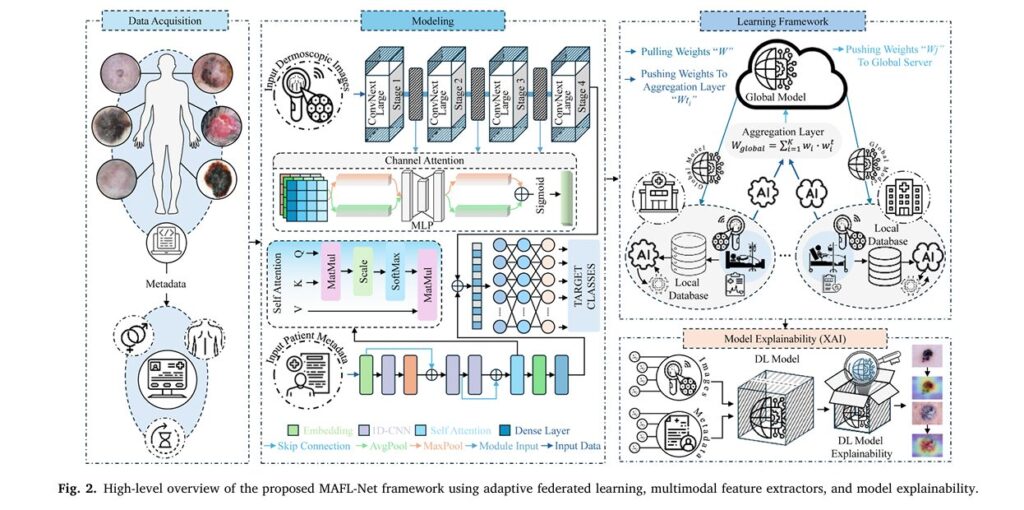
Skin Cancer Detection Model

Revolutionizing Skin Cancer Detection: How Multimodal AI and Federated Learning Are Transforming Dermatological Diagnostics

Introduction: The Critical Need for Intelligent, Privacy-Preserving Skin Cancer Diagnosis Skin cancer remains one of the most pervasive and life-threatening health conditions globally, with over 5 million new cases reported annually in the United States alone. Among the various types, malignant melanoma stands out as particularly alarming—accounting for approximately 4% of global cancer-related deaths and

Revolutionizing Skin Cancer Detection: How Multimodal AI and Federated Learning Are Transforming Dermatological Diagnostics Read More »

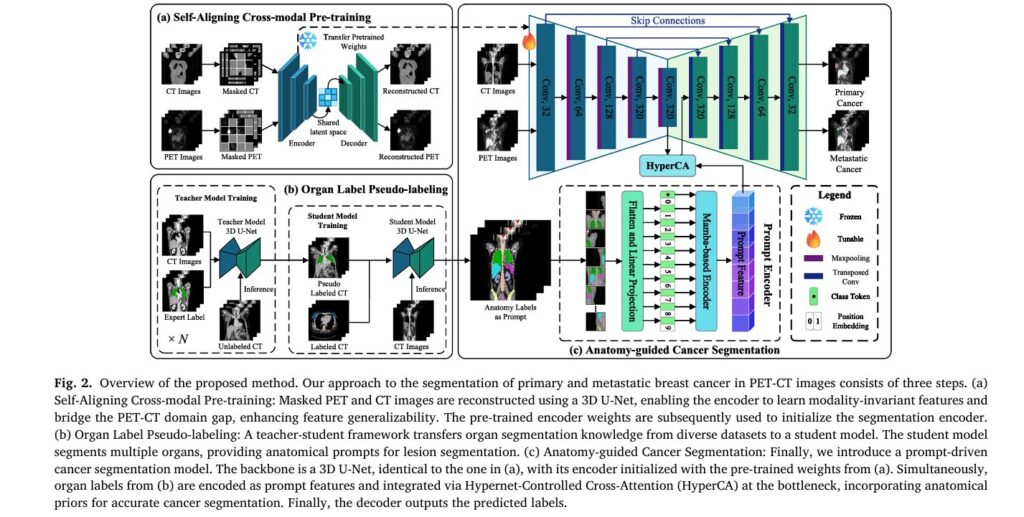
Anatomy-Guided Deep Learning Is Transforming Breast Cancer Detection in PET-CT Scans

Revolutionary AI Breakthrough: How Anatomy-Guided Deep Learning Is Transforming Breast Cancer Detection in PET-CT Scans

Introduction: The Critical Challenge of Metastatic Breast Cancer Detection Breast cancer remains the most diagnosed cancer among women worldwide, with approximately 3 million new cases detected in 2024 alone. While early-stage breast cancer boasts a nearly 100% five-year survival rate, this figure plummets to just 23% once metastasis occurs. The difference between life and death

Revolutionary AI Breakthrough: How Anatomy-Guided Deep Learning Is Transforming Breast Cancer Detection in PET-CT Scans Read More »

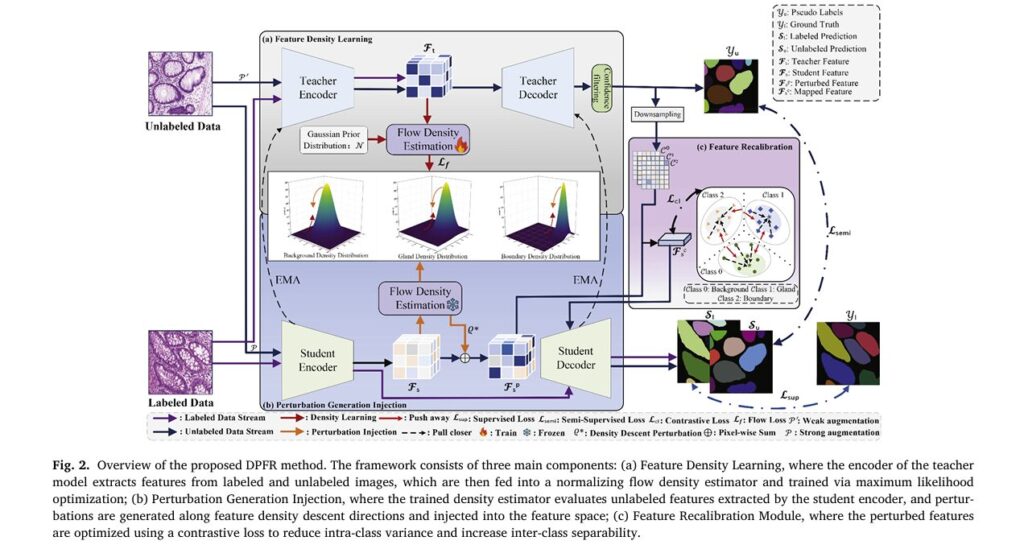
DPFR: A Breakthrough in AI-Powered Gland Segmentation for Cancer Diagnosis

DPFR: A Breakthrough in AI-Powered Gland Segmentation for Cancer Diagnosis

Introduction: The Critical Challenge in Digital Pathology The early detection and accurate grading of cancer remains one of modern medicine’s most pressing challenges. For pathologists worldwide, the assessment of gland morphology in histopathological images serves as the gold standard for cancer diagnosis—particularly in colorectal and prostate cancers. However, this critical diagnostic process faces a fundamental

DPFR: A Breakthrough in AI-Powered Gland Segmentation for Cancer Diagnosis Read More »

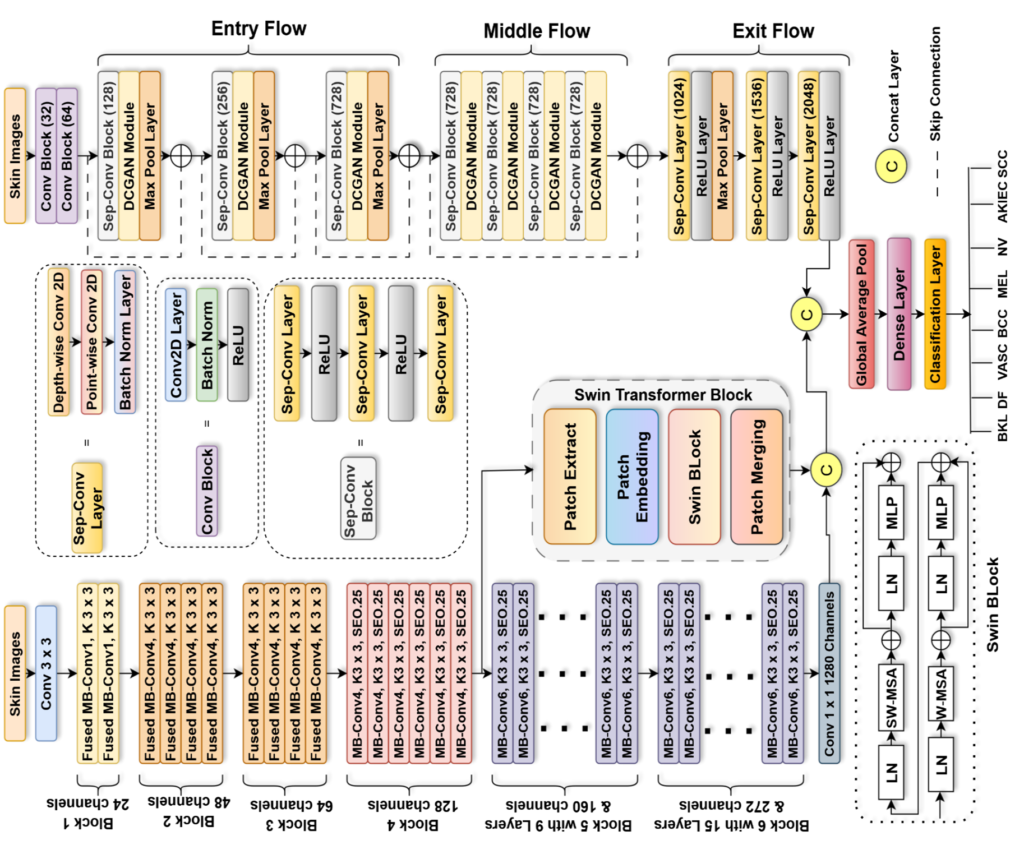
TransXV2S-Net: Revolutionary AI Architecture Achieves 95.26% Accuracy in Skin Cancer Detection

TransXV2S-Net: Revolutionary AI Architecture Achieves 95.26% Accuracy in Skin Cancer Detection

Introduction: The Critical Need for Intelligent Skin Cancer Diagnostics Skin cancer represents one of the most pervasive and rapidly growing cancer types globally, with incidence rates continuing to climb across all demographics. The primary culprits—DNA damage from ultraviolet (UV) radiation, excessive tanning bed use, and uncontrolled cellular growth—have created a public health imperative for early

TransXV2S-Net: Revolutionary AI Architecture Achieves 95.26% Accuracy in Skin Cancer Detection Read More »

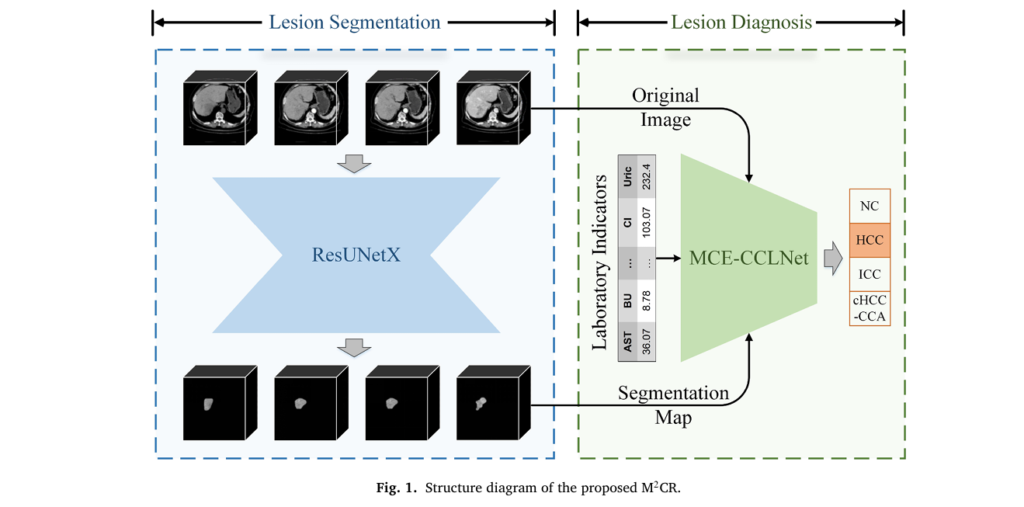
M2CR: Revolutionizing Primary Liver Cancer Diagnosis with AI-Powered Multimodal Analysis

M2CR: Revolutionizing Primary Liver Cancer Diagnosis with AI-Powered Multimodal Analysis

Primary liver cancer stands as the third leading cause of cancer-related deaths worldwide, claiming hundreds of thousands of lives annually. Despite advances in medical imaging, diagnosing the three distinct subtypes—hepatocellular carcinoma (HCC), intrahepatic cholangiocarcinoma (ICC), and the rare combined hepatocellular-cholangiocarcinoma (cHCC-CCA)—remains a complex challenge that demands both radiological expertise and comprehensive clinical assessment. A revolutionary

M2CR: Revolutionizing Primary Liver Cancer Diagnosis with AI-Powered Multimodal Analysis Read More »