Agent Systems

Agent systems covers the move from single model prompts to AI that plans, uses tools, and acts across multiple steps. Articles here examine agent architectures, memory, tool use, and the evaluation problems that make autonomous behavior hard to trust. We focus on how these systems are actually built and where current designs still fall short.

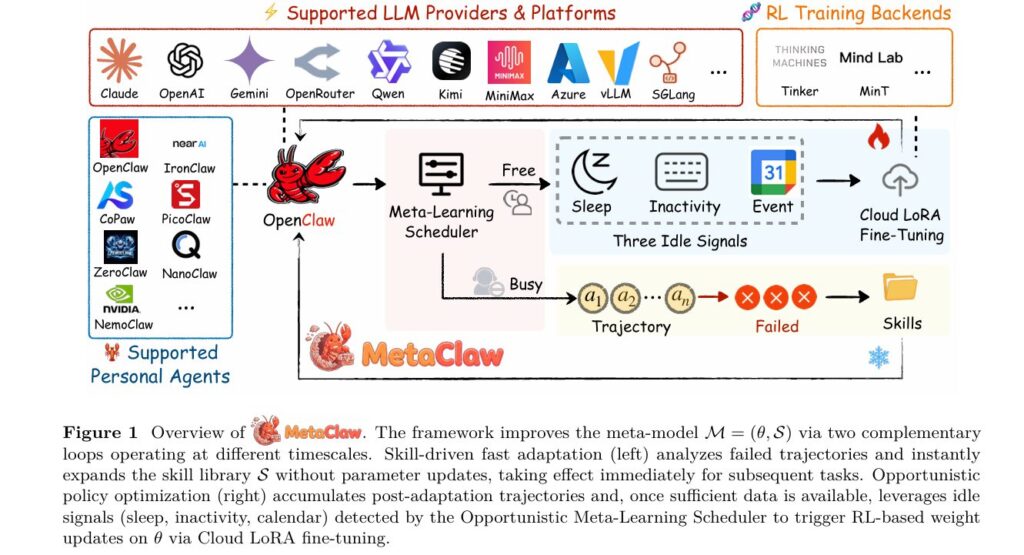
MetaClaw: The LLM Agent That Meta-Learns and Evolves in the Wild.

MetaClaw: The LLM Agent That Meta-Learns and Evolves in the Wild

Researchers from UNC-Chapel Hill, Carnegie Mellon, UC Santa Cruz, and UC Berkeley built a continual meta-learning framework that gives deployed language model agents two complementary superpowers: instant skill injection from failures, and opportunistic weight-level fine-tuning while you sleep — pushing…

MetaClaw: The LLM Agent That Meta-Learns and Evolves in the Wild Read More »
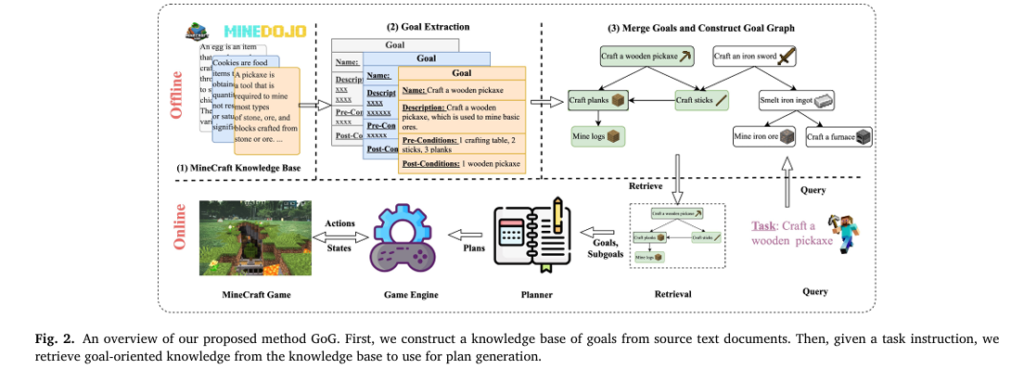
Goal-Oriented Graphs: How NTU Researchers Finally Taught LLMs to Plan Like Humans in Minecraft.

Goal-Oriented Graphs: How NTU Researchers Finally Taught LLMs to Plan Like Humans in Minecraft

GraphRAG shreds procedural knowledge into thousands of disconnected fragments. A new framework from Nanyang Technological University puts it back together — and the results in Minecraft are hard to argue with.

Goal-Oriented Graphs: How NTU Researchers Finally Taught LLMs to Plan Like Humans in Minecraft Read More »

A New Framework That Teaches Multi-Agent Systems to Spot Unreliable Sensors.

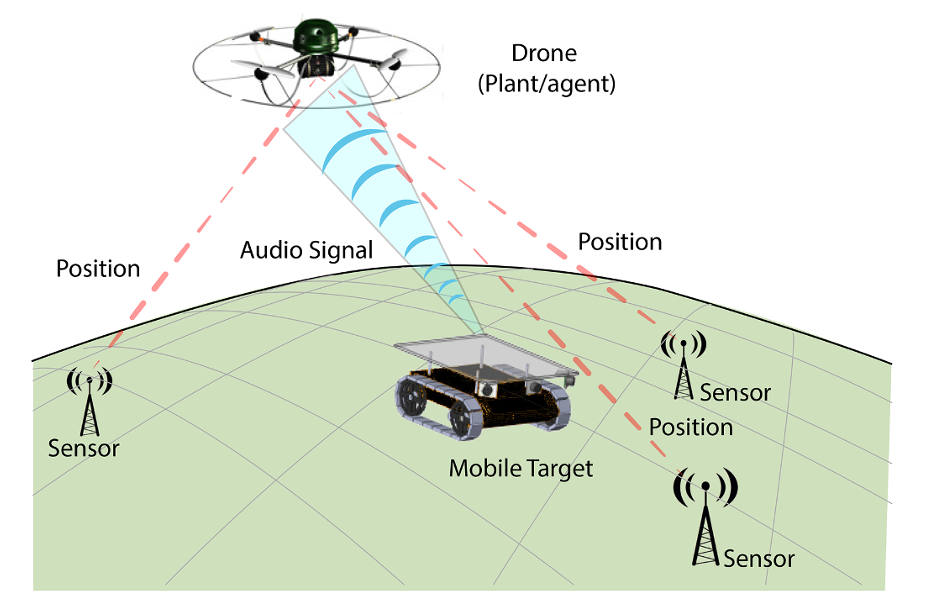
When Drones Learn to Distrust: A New Framework That Teaches Multi-Agent Systems to Spot Unreliable Sensors

Researchers at the University of Calabria built a system that fuses opinion dynamics, consensus theory, and a borrowed trick from solar panel engineering to let networked agents decide—on their own, continuously—which sensors to believe and which to quietly ignore.

When Drones Learn to Distrust: A New Framework That Teaches Multi-Agent Systems to Spot Unreliable Sensors Read More »

K2-Agent: The Cognitive Architecture That Taught AI to Think Like Humans About Mobile Tasks.

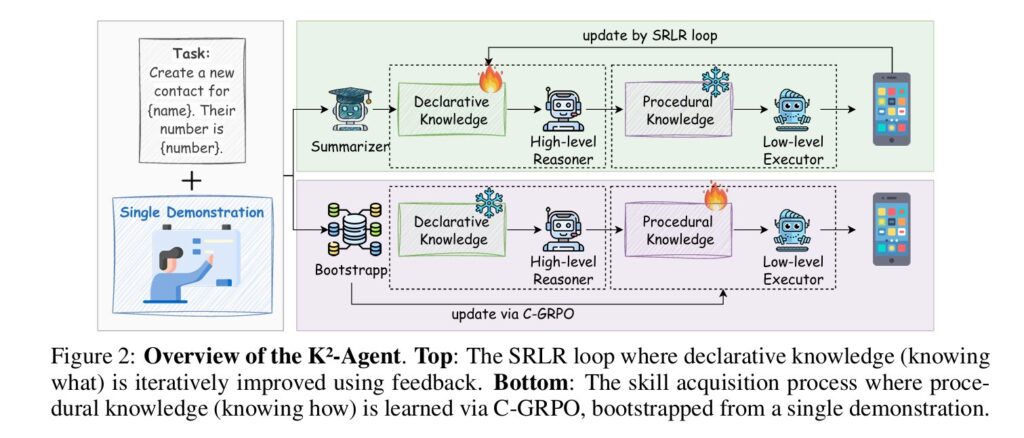
K2-Agent: Co-Evolving Know-What and Know-How for Hierarchical Mobile Device Control

A hierarchical framework separates “knowing what” from “knowing how” — enabling co-evolution of declarative planning knowledge and procedural execution skills for mobile device control, achieving 76.1% success rate on AndroidWorld using only raw screenshots.

K2-Agent: Co-Evolving Know-What and Know-How for Hierarchical Mobile Device Control Read More »