Machine Learning

Machine learning sits at the core of everything we cover at AI Trend Blend. This section gathers our research breakdowns, method explainers, and practical analyses across supervised, self-supervised, and generative learning, with a steady focus on the ideas that actually move results rather than the noise around them. You will find work spanning optimization, model architectures, training dynamics, and the theory that explains why modern systems behave the way they do, written for readers who want depth without filler.

Discrete Migratory Bird Optimizer with Transfer Learning Aided Multi-Retinal Disease Detection

Optimizing Fundus-Based Retinal Disease Detection with a Discrete Migratory Bird Algorithm

Analysis by the aitrendblend editorial team. Published research review. Reading time about fifteen minutes. AI for medical imaging and healthcare fundus imaging transfer learning ophthalmology AI A fundus photograph like the ones used to train the seven class classifier described below. A clinic sees a patient who has waited three months for a retina appointment. […]

Optimizing Fundus-Based Retinal Disease Detection with a Discrete Migratory Bird Algorithm Read More »

PSO-optimized fractional order CNNs revolutionize breast cancer detection with 99.35% accuracy, superior sensitivity, and robust image analysi

PSO-Optimized Fractional Order CNNs for Enhanced Breast Cancer Detection

Early Detection, Smarter AI: How PSO-Optimized Fractional Order CNNs Are Transforming Breast Cancer Diagnosis Every year, millions of women face the daunting challenge of a breast cancer diagnosis. Despite advances in medical imaging, traditional mammography still struggles with high false-positive and false-negative rates, especially in patients with dense breast tissue. These limitations can lead to

PSO-Optimized Fractional Order CNNs for Enhanced Breast Cancer Detection Read More »

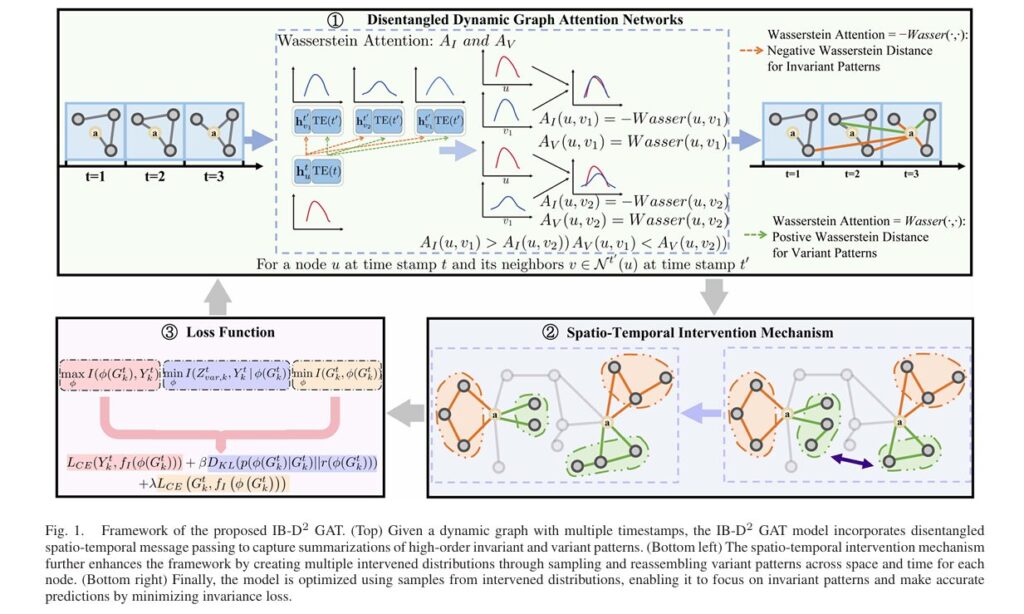
Visual representation of AMGF-GNN framework for tumor grading using multi-graph fusion in histopathology.

AMGF-GNN: Adaptive Multi-Graph Fusion for Tumor Grading in Pathology Images

Analysis by the aitrendblend editorial team. Independent review of the published methodology, not a medical review. Updated for accuracy against the source paper. Graph Neural Networks Tumor Grading Glioma Breast Cancer Pathology Attention Fusion A pathologist looking at a glioma slide is not reading one thing. She is reading how cells cluster into neighborhoods, how

AMGF-GNN: Adaptive Multi-Graph Fusion for Tumor Grading in Pathology Images Read More »

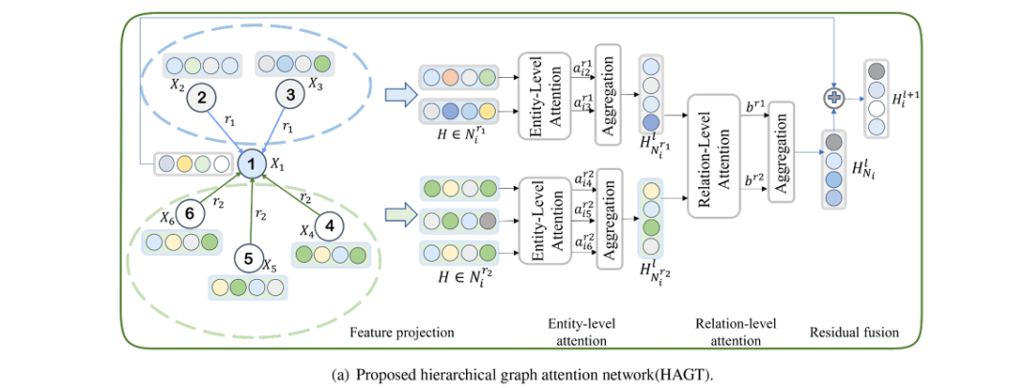
Anchor-Based Knowledge Distillation (AKD), a breakthrough in trustworthy AI for efficient model compression.

Anchor-Based Knowledge Distillation: A Trustworthy AI Approach for Efficient Model Compression

In the rapidly evolving field of artificial intelligence (AI), knowledge distillation (KD) has emerged as a cornerstone technique for compressing powerful, resource-intensive neural networks into smaller, more efficient models suitable for deployment on mobile and edge devices. However, traditional KD methods often fall short in capturing the full richness of a teacher model’s knowledge, especially

Anchor-Based Knowledge Distillation: A Trustworthy AI Approach for Efficient Model Compression Read More »

Diagram of the BiMT-TCN model architecture showing BiLSTM, modified Transformer, and TCN layers for enhanced stock forecasting.

BiMT-TCN: Revolutionizing Stock Price Prediction with Hybrid Deep Learning

In the fast-paced world of financial markets, accurate stock price prediction has long been the holy grail for investors, analysts, and AI researchers. With markets influenced by a complex web of economic indicators, geopolitical events, and investor sentiment, traditional models often fall short. Enter BiMT-TCN—a groundbreaking hybrid deep learning model that is redefining the accuracy

BiMT-TCN: Revolutionizing Stock Price Prediction with Hybrid Deep Learning Read More »

ProMSC-MIS: a revolutionary prompt-based multimodal semantic communication system for multi-spectral image segmentation.

ProMSC-MIS: Revolutionizing Multimodal Semantic Communication for Multi-Spectral Image Segmentation

In the rapidly evolving landscape of artificial intelligence and wireless communication, a groundbreaking new framework—ProMSC-MIS (Prompt-based Multimodal Semantic Communication for Multi-Spectral Image Segmentation)—is setting a new benchmark in task-driven data transmission. Developed by Haoshuo Zhang, Yufei Bo, and Meixia Tao from Shanghai Jiao Tong University, this innovative system redefines how multimodal data is processed, transmitted,

ProMSC-MIS: Revolutionizing Multimodal Semantic Communication for Multi-Spectral Image Segmentation Read More »

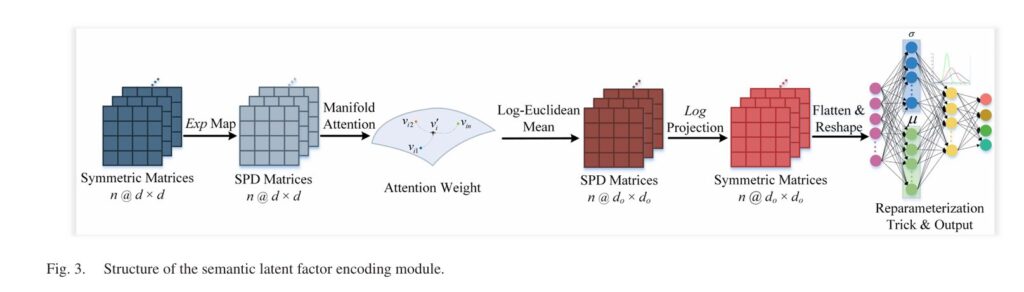
Illustration of a hybrid AI system linking microscope images of metal microstructures with expert textual assessments using vision-language models like CLIP, vision-language representations and FLAVA.

Customized Vision-Language Representations for Industrial Qualification: Bridging AI and Expert Knowledge in Additive Manufacturing

In the rapidly evolving world of additive manufacturing (AM), ensuring the quality and reliability of engineered materials is a critical bottleneck. Traditional qualification methods rely heavily on manual inspection and expert interpretation, leading to delays, inconsistencies, and scalability issues. A groundbreaking new study titled “Linking heterogeneous microstructure informatics with expert characterization knowledge through customized and

Customized Vision-Language Representations for Industrial Qualification: Bridging AI and Expert Knowledge in Additive Manufacturing Read More »

CMFDNet Tackles Blurry Polyp Boundaries With A Cross Mamba Decoder

CMFDNet Tackles Blurry Polyp Boundaries With A Cross Mamba Decoder

AI for medical imaging and healthcare Polyp segmentation Mamba architectures Colonoscopy AI Analysis by the aitrendblend editorial team A four stage encoder feeds a cross scanning Mamba decoder that fuses deep and shallow polyp features before a final feature discovery pass. A gastroenterologist pulling a colonoscope back through the colon has maybe a second or

CMFDNet Tackles Blurry Polyp Boundaries With A Cross Mamba Decoder Read More »

Towards Trustworthy Breast Tumor Segmentation in Ultrasound Using AI Uncertainty

Analysis by the aitrendblend editorial team · Source paper arXiv:2508.17768 Medical Imaging Segmentation Uncertainty Estimation Breast Ultrasound nnU-Net An ultrasound frame next to the kind of entropy map the model produces when it is asked to also grade its own confidence. A radiologist scanning a breast for a suspicious mass rarely gets a clean answer

Towards Trustworthy Breast Tumor Segmentation in Ultrasound Using AI Uncertainty Read More »

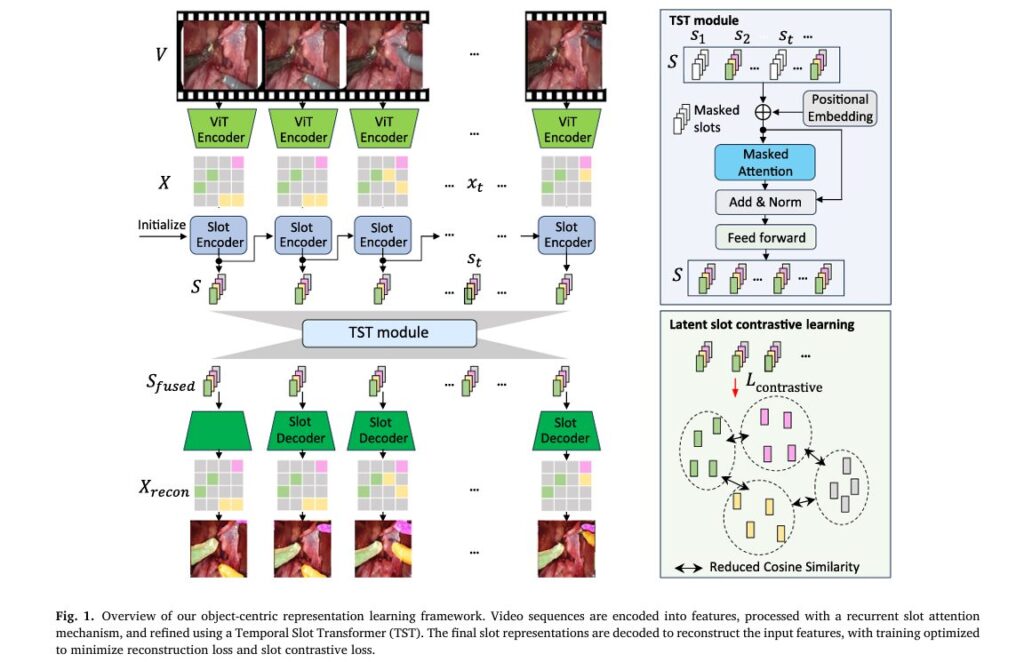
GREP model for cell classification

Revolutionizing Digital Pathology: A Deep Dive into GrEp for Superior Epithelial Cell Classification

The field of digital pathology is undergoing a transformation, with deep learning and artificial intelligence unlocking unprecedented opportunities for biomarker discovery and automated diagnostics. By analyzing high-resolution whole slide images (WSIs), these technologies promise to enhance the accuracy, speed, and objectivity of cancer diagnosis. However, one fundamental task remains a persistent bottleneck: the accurate and

Revolutionizing Digital Pathology: A Deep Dive into GrEp for Superior Epithelial Cell Classification Read More »