Adnan Saeed

Adnan Saeed is a deep learning researcher working on medical image analysis, with a focus on multimodal architectures, graph neural networks, and evidential deep learning for clinical imaging tasks. His peer reviewed research has appeared in journals across machine learning and biomedical signal processing. At AI Trend Blend he turns recent papers into clear, practical explainers, with an emphasis on what a method actually does and where it holds up, written for readers who want depth without the hype.

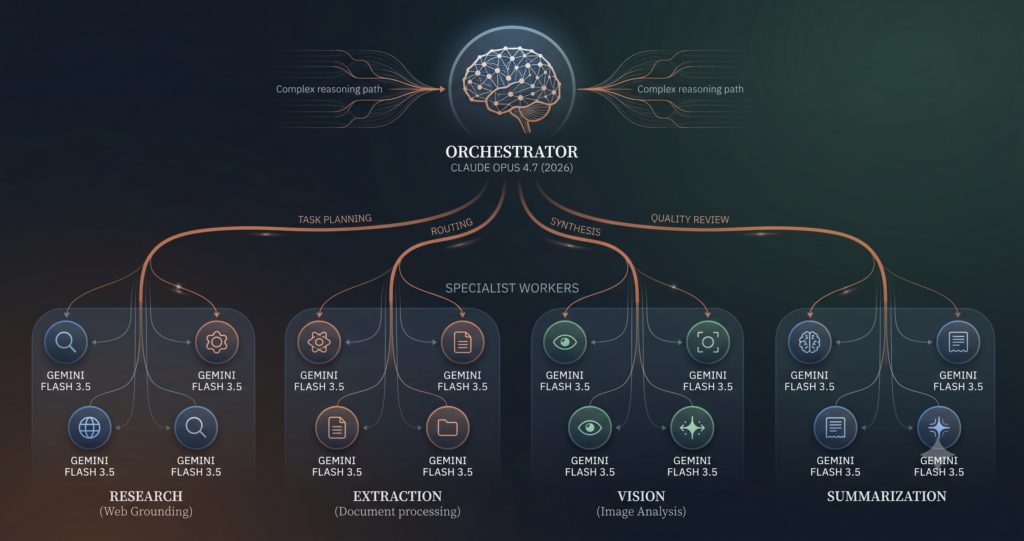
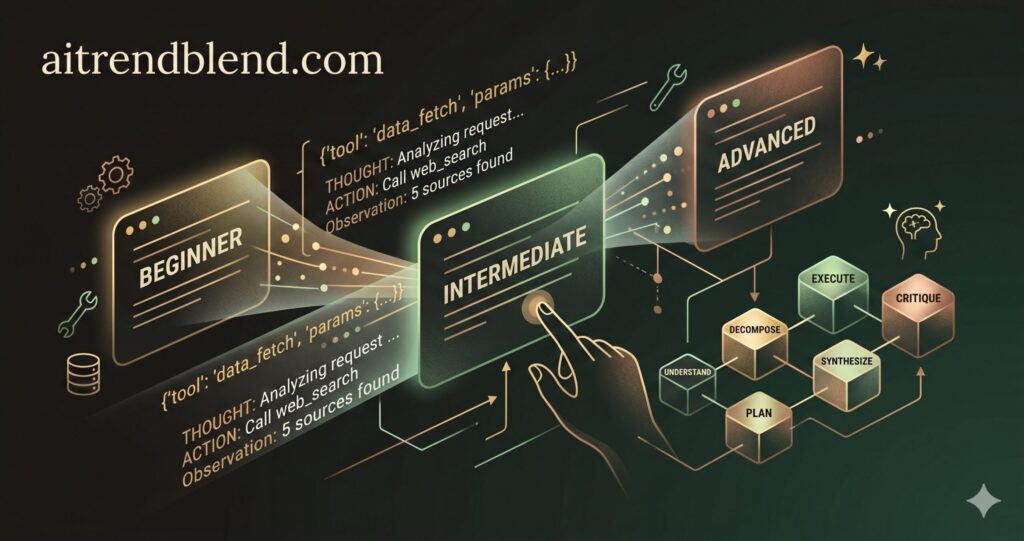
How to Build Multi-Agent Systems with Claude Opus 4.7 & Gemini Flash 3.5 (2026).

How to Build Multi-Agent Systems with Claude Opus 4.7 & Gemini Flash 3.5 (2026)

You are building a research pipeline that needs to search the web, process a dozen PDFs, extract structured data from tables, and produce a cited written report. You set it up as a single Claude Opus 4.7 agent. The quality…

How to Build Multi-Agent Systems with Claude Opus 4.7 & Gemini Flash 3.5 (2026) Read More »

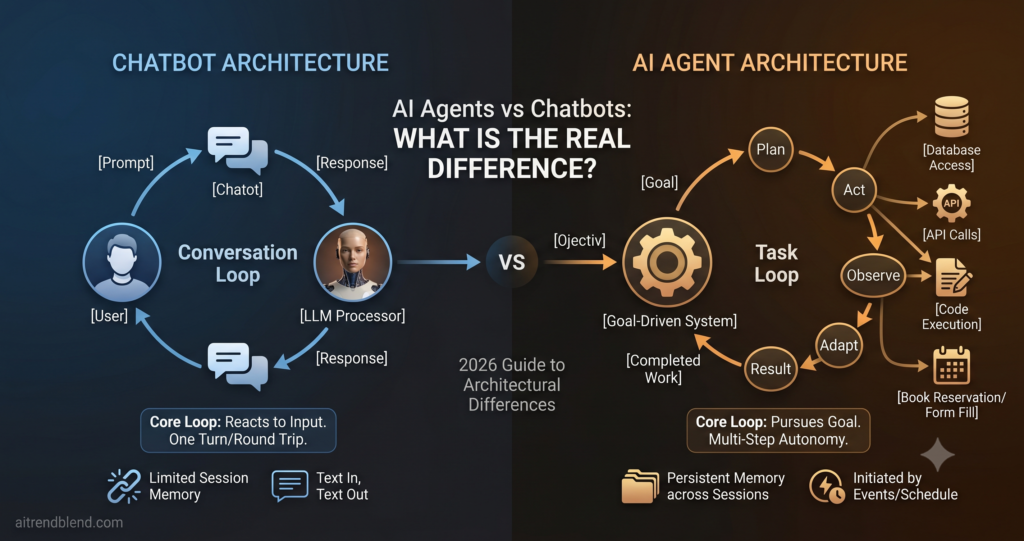
Claude vs ChatGPT 5: Which AI Wins for Agent Building? (2026).

Claude vs ChatGPT 5: Which AI Wins for Agent Building? (2026)

Your team has built on ChatGPT for two years. The new project is a customer facing agent with complex workflows, several tool integrations, and strict output constraints. Someone suggests evaluating Claude before you commit. Just before the architecture meeting, somebody…

Claude vs ChatGPT 5: Which AI Wins for Agent Building? (2026) Read More »

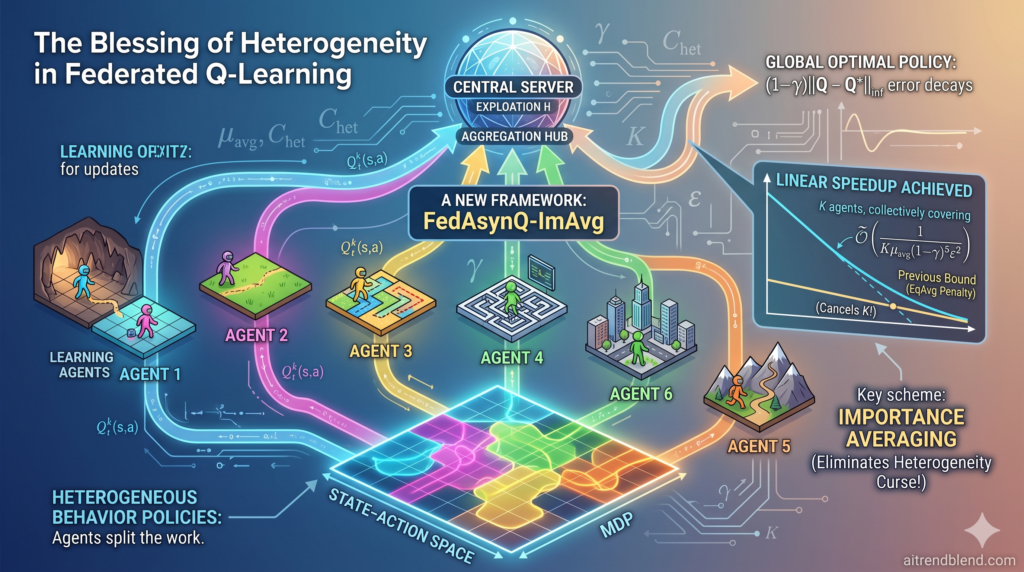
The Blessing of Heterogeneity in Federated Q-Learning: Linear Speedup and Beyond.

The Blessing of Heterogeneity in Federated Q-Learning: Linear Speedup and Beyond

A team from Carnegie Mellon University flipped conventional wisdom on its head — proving that agents with different behavior policies don’t just tolerate each other’s differences, they actively benefit from them. And a novel importance-averaging scheme eliminates the last remaining…

The Blessing of Heterogeneity in Federated Q-Learning: Linear Speedup and Beyond Read More »

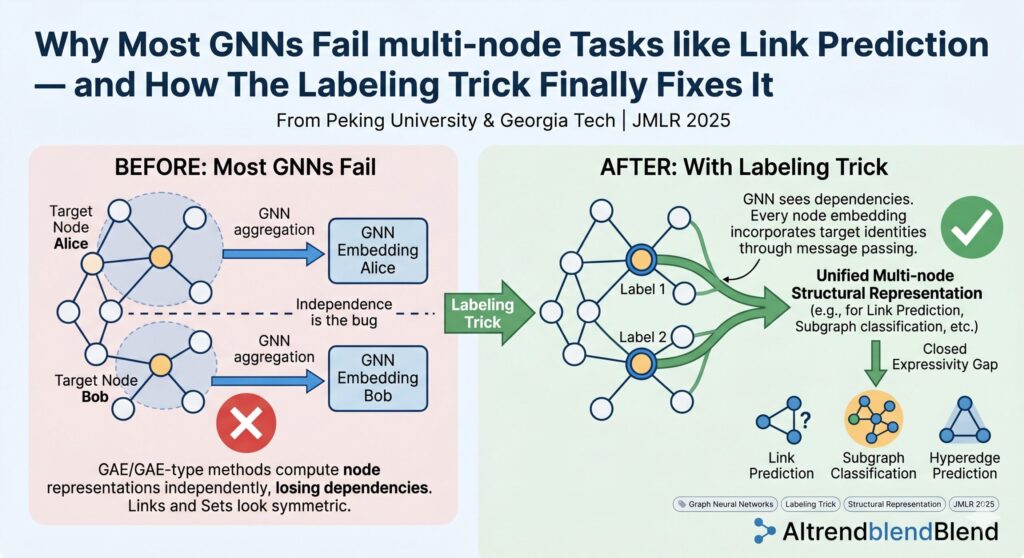
Improving Graph Neural Networks on Multi-node Tasks with the Labeling Trick

Improving Graph Neural Networks on Multi-node Tasks with the Labeling Trick

A team from Peking University and Georgia Tech has built a formal theory explaining why the most widely used GNN approach to multi-node tasks breaks down — and proved that a simple but principled labeling strategy solves the problem completely.

Improving Graph Neural Networks on Multi-node Tasks with the Labeling Trick Read More »