Adnan Saeed

Adnan Saeed is a deep learning researcher working on medical image analysis, with a focus on multimodal architectures, graph neural networks, and evidential deep learning for clinical imaging tasks. His peer reviewed research has appeared in journals across machine learning and biomedical signal processing. At AI Trend Blend he turns recent papers into clear, practical explainers, with an emphasis on what a method actually does and where it holds up, written for readers who want depth without the hype.

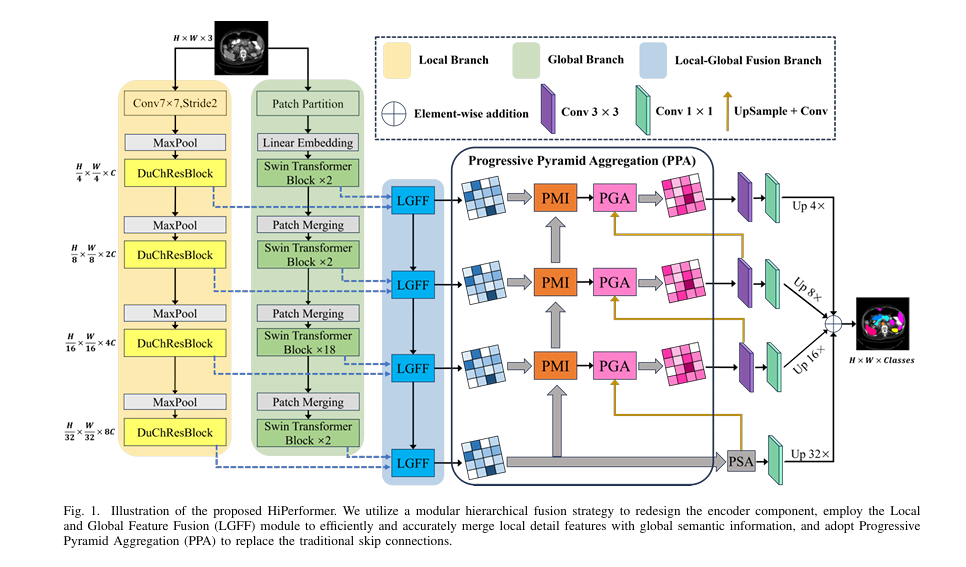
HiPerformer: A New Benchmark in Medical Image Segmentation with Modular Hierarchical Fusion

HiPerformer: A New Benchmark in Medical Image Segmentation with Modular Hierarchical Fusion

In the high-stakes world of medical diagnostics, a pixel can make all the difference. Precise image segmentation—the process of outlining and identifying specific organs, tissues, or lesions in a medical scan—is the cornerstone of modern diagnosis and treatment planning. It…

HiPerformer: A New Benchmark in Medical Image Segmentation with Modular Hierarchical Fusion Read More »

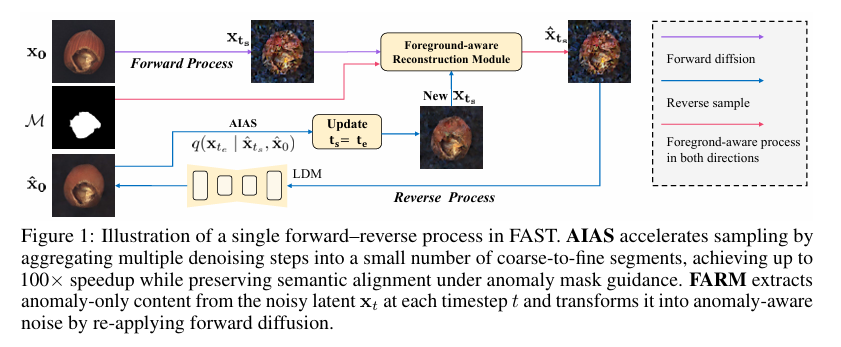
FAST: Revolutionary AI Framework Accelerates Industrial Anomaly Detection

FAST: Revolutionary AI Framework Accelerates Industrial Anomaly Detection by 100x

Key Takeaway: Researchers have developed FAST (Foreground-aware Diffusion Framework), a revolutionary AI system that accelerates industrial anomaly detection by 100 times while achieving 76.72% mIoU accuracy on manufacturing quality control tasks. This breakthrough addresses critical challenges in industrial automation by…

FAST: Revolutionary AI Framework Accelerates Industrial Anomaly Detection by 100x Read More »

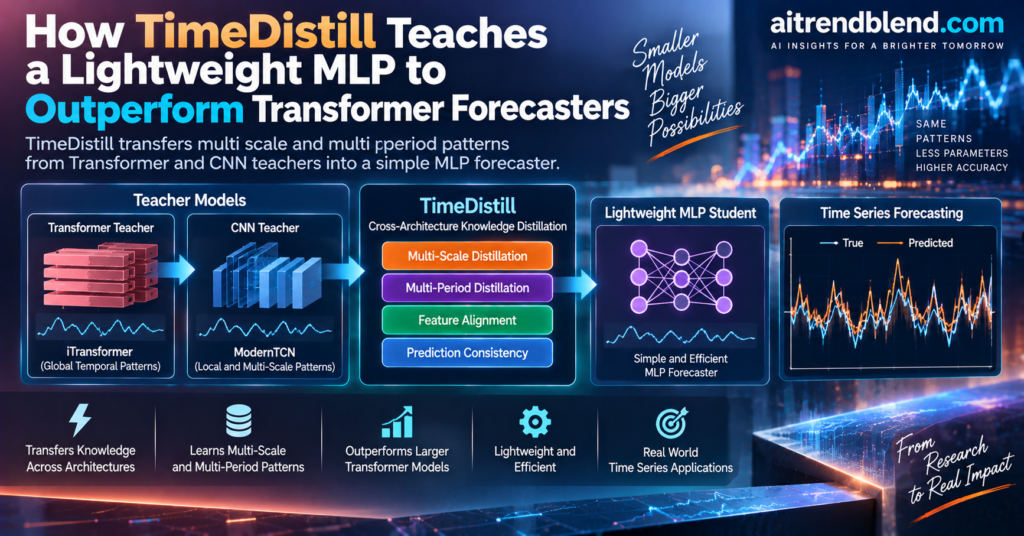
How TimeDistill Teaches a Lightweight MLP to Outperform Transformer Forecasters

How TimeDistill Teaches a Lightweight MLP to Outperform Transformer Forecasters

Forecasting research has spent the last few years arguing with itself. Transformers arrived promising to capture long range dependencies across a time series, and models like Informer and Autoformer chased that promise with increasingly elaborate attention mechanisms. Then a 2023…

How TimeDistill Teaches a Lightweight MLP to Outperform Transformer Forecasters Read More »

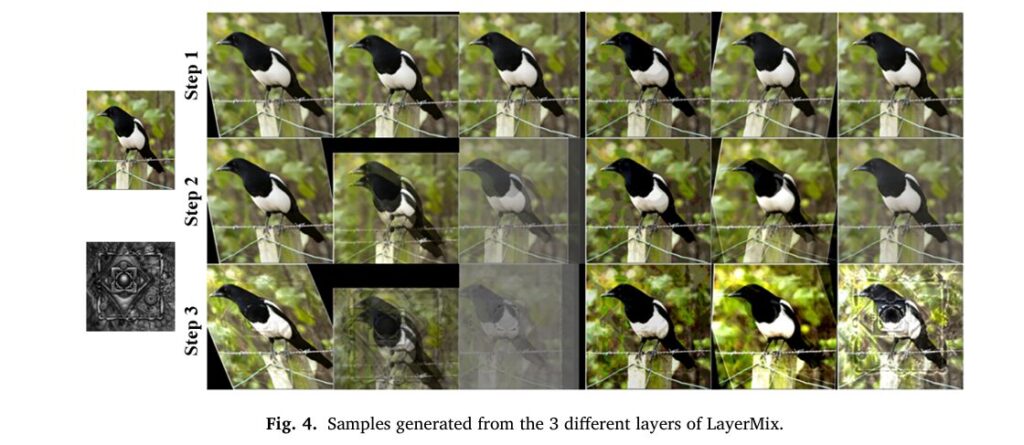
Discover how LayerMix, an innovative data augmentation technique using structured fractal mixing, enhances deep learning model robustness against corruptions, adversarial attacks, and distribution shifts. Learn about its methodology, benchmarks, and results.

LayerMix: A Fractal-Based Data Augmentation Strategy for More Robust Deep Learning Models

Deep Learning (DL) has revolutionized computer vision, enabling machines to identify objects, segment images, and drive cars with astonishing accuracy. Yet, a critical Achilles’ heel remains: these models often fail dramatically when faced with data that deviates even slightly from…

LayerMix: A Fractal-Based Data Augmentation Strategy for More Robust Deep Learning Models Read More »

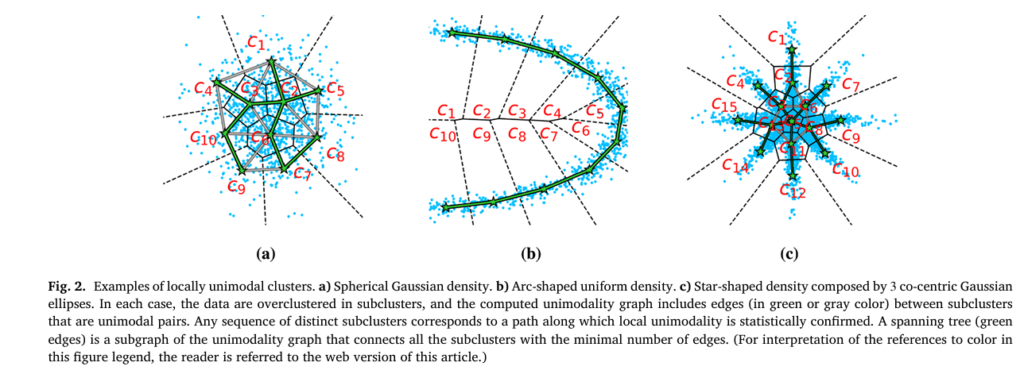
UniForCE: A Robust Method for Discovering Clusters and Estimating Their Number Using Local Unimodality

UniForCE: A Robust Method for Discovering Clusters and Estimating Their Number Using Local Unimodality

Clustering is a cornerstone of unsupervised machine learning, tasked with the fundamental goal of uncovering hidden structures within data. The premise is simple: group similar data points together so that items in the same cluster are more alike to each…

UniForCE: A Robust Method for Discovering Clusters and Estimating Their Number Using Local Unimodality Read More »

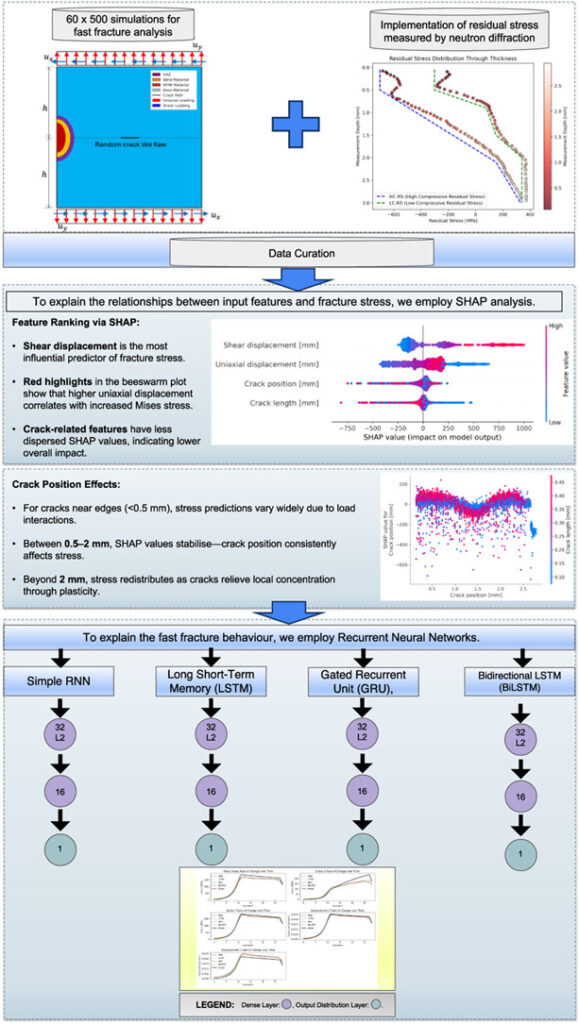
Predicting Fast Crack Growth in Welded Steel with AI: A Machine Learning Approach to Structural Safety

Predicting Fast Crack Growth in Welded Steel with AI: A Machine Learning Approach to Structural Safety

In the world of engineering, especially within industries like offshore energy, oil and gas, and heavy infrastructure, welded steel components form the backbone of critical systems. Yet, despite their strength and reliability, these structures are vulnerable to a silent but…

Predicting Fast Crack Growth in Welded Steel with AI: A Machine Learning Approach to Structural Safety Read More »