Natural Language Processing

Natural language processing covers how machines represent, understand, and generate human language. Articles here move from foundational ideas like embeddings and attention to current research on language models, retrieval, and evaluation, written to connect the theory with the systems people use today.

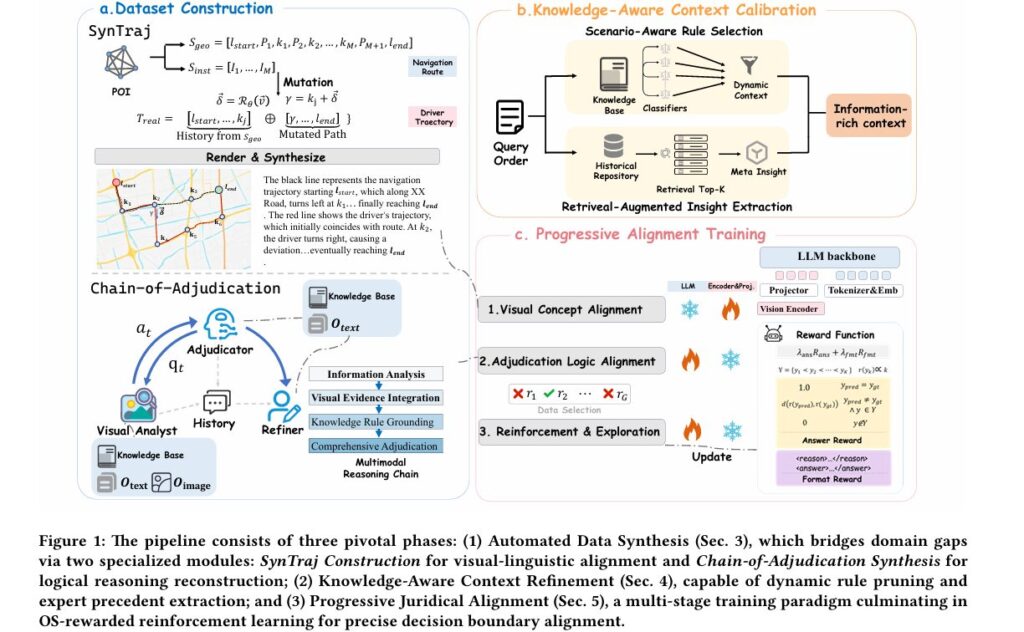
RideJudge: How an 8B Model Outperforms 32B Baselines at Ride-Hailing Dispute Resolution

RideJudge: How an 8B Model Outperforms 32B Baselines at Ride-Hailing Dispute Resolution

Researchers from Nanjing University and Didi Chuxing built a multimodal LLM framework that reads GPS maps like a detective, consults platform regulations like a lawyer, and delivers transparent verdicts on driver-passenger disputes — hitting 88.41% accuracy while a 32B-scale baseline…

RideJudge: How an 8B Model Outperforms 32B Baselines at Ride-Hailing Dispute Resolution Read More »
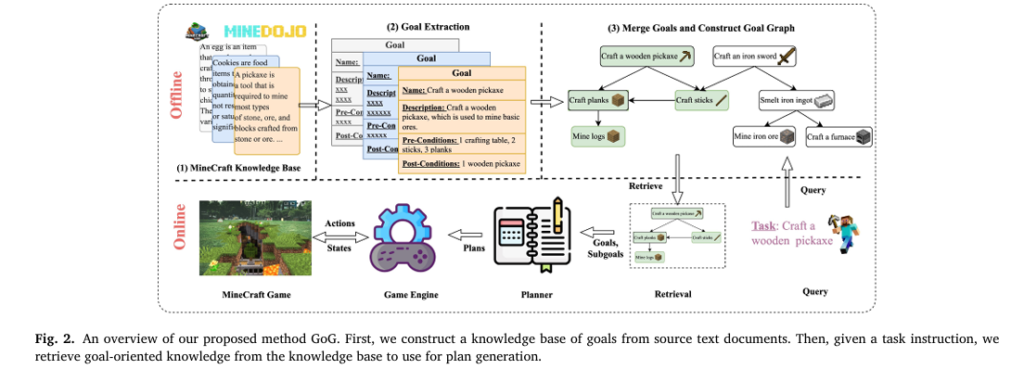
Goal-Oriented Graphs: How NTU Researchers Finally Taught LLMs to Plan Like Humans in Minecraft.

Goal-Oriented Graphs: How NTU Researchers Finally Taught LLMs to Plan Like Humans in Minecraft

GraphRAG shreds procedural knowledge into thousands of disconnected fragments. A new framework from Nanyang Technological University puts it back together — and the results in Minecraft are hard to argue with.

Goal-Oriented Graphs: How NTU Researchers Finally Taught LLMs to Plan Like Humans in Minecraft Read More »

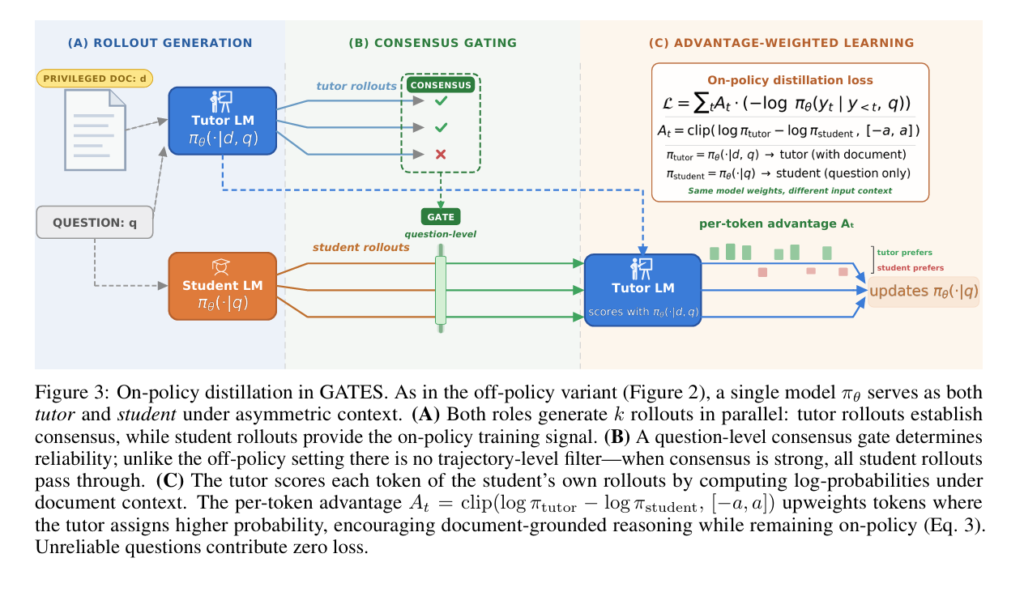
GATES: How Consensus Gating Fixed the Broken Promise of Self-Distillation in Language Models.

GATES: How Consensus Gating Fixed the Broken Promise of Self-Distillation in Language Models

Researchers at the University of Maryland trained a model to teach itself — without any ground-truth labels, external graders, or verifiable rewards — by sampling multiple document-grounded reasoning traces and only distilling the ones its own internal jury agreed on.

GATES: How Consensus Gating Fixed the Broken Promise of Self-Distillation in Language Models Read More »

Overview of DSKD training.

DSKD: How Sense Dictionaries Are Finally Making Decoder LLMs Smarter Without Slowing Them Down

How researchers at RPI and IBM Research taught generative LLMs to understand word senses, synonyms, and antonyms during training—without adding a single extra step at inference time—and why it consistently beats standard knowledge distillation across five benchmarks.

DSKD: How Sense Dictionaries Are Finally Making Decoder LLMs Smarter Without Slowing Them Down Read More »