semantic segmentation

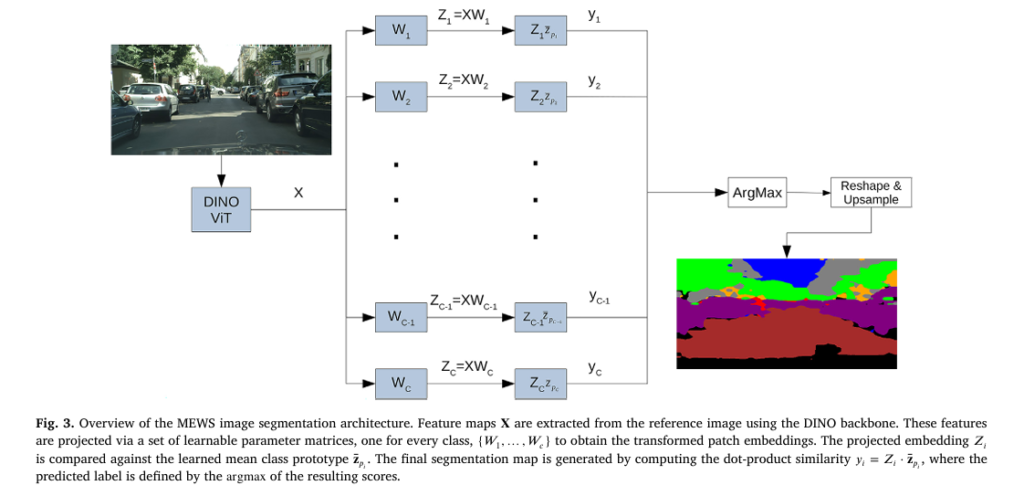
MEWS: Semantic Segmentation With Almost No Labels — A Few Pixels Per Class Is All You Need.

MEWS: Semantic Segmentation With Almost No Labels — A Few Pixels Per Class Is All You Need

Researchers at Aristotle University of Thessaloniki built a segmentation system that achieves 63.27% mIoU on Cityscapes — virtually matching fully supervised methods — using only sparse pixel annotations on a handful of training images. No dense masks. No text prompts.…

MEWS: Semantic Segmentation With Almost No Labels — A Few Pixels Per Class Is All You Need Read More »

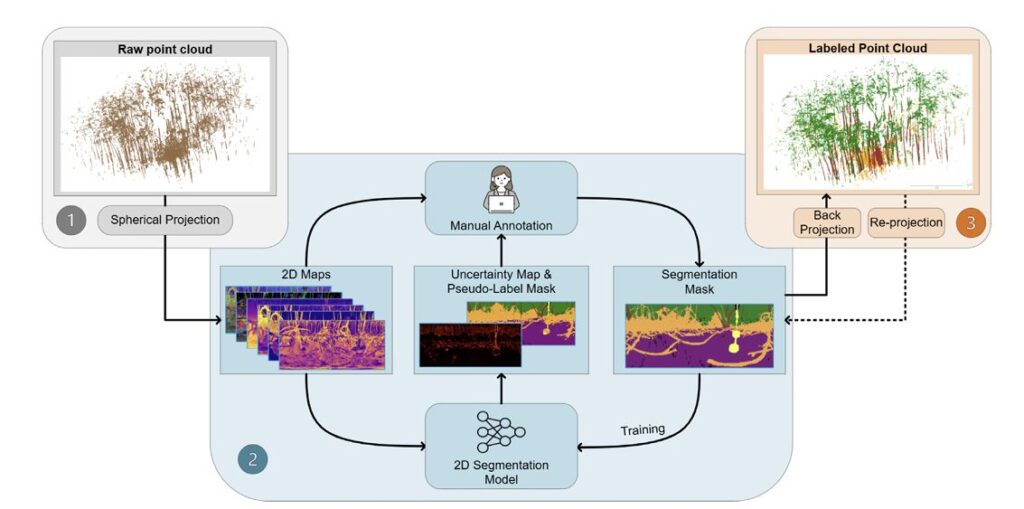
Through the Perspective of LiDAR: Uncertainty-Aware Annotation Pipeline for TLS Point Cloud Segmentation.

Through the Perspective of LiDAR: Uncertainty-Aware Annotation Pipeline for TLS Point Cloud Segmentation

Fei Zhang and colleagues at RIT built a semi-automated pipeline that projects millions of mangrove LiDAR points onto a 2D spherical canvas, trains an ensemble of segmentation networks, harvests uncertainty maps to guide human annotators, and then back-projects everything into…

Through the Perspective of LiDAR: Uncertainty-Aware Annotation Pipeline for TLS Point Cloud Segmentation Read More »

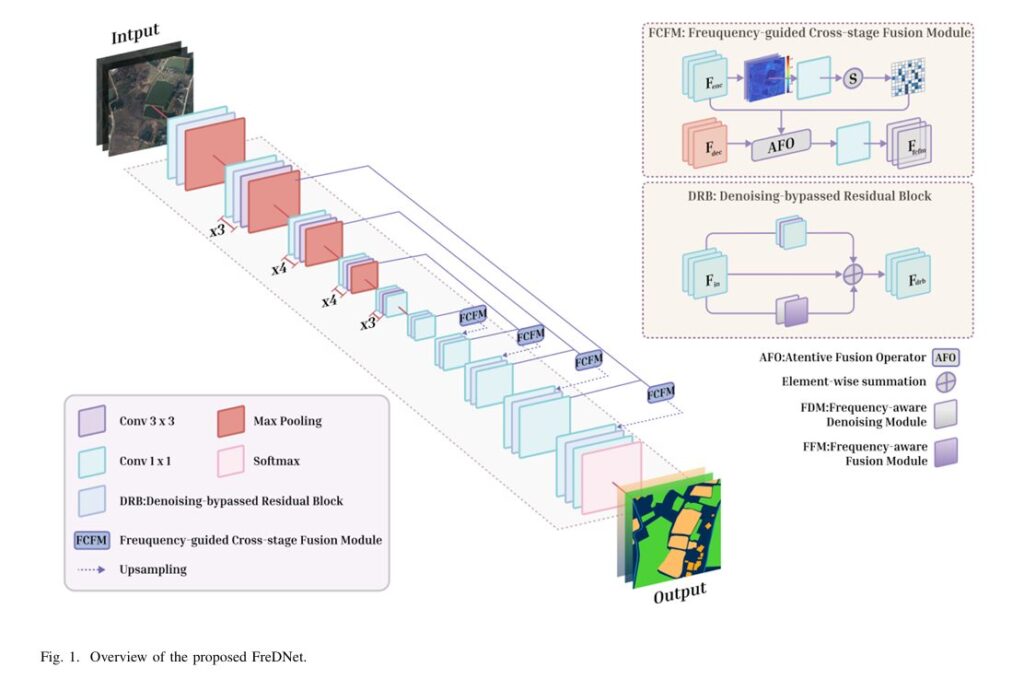
Overview of the proposed FreDNet.

FreDNet: The Remote Sensing Segmenter That Learned to Hear the Image, Not Just See It

Researchers at Hohai University built a network that treats high-frequency spectral components — the sharp edges, fine contours, and subtle discontinuities that standard convolutions quietly destroy — as first-class semantic cues rather than noise to be filtered away, and the…

FreDNet: The Remote Sensing Segmenter That Learned to Hear the Image, Not Just See It Read More »

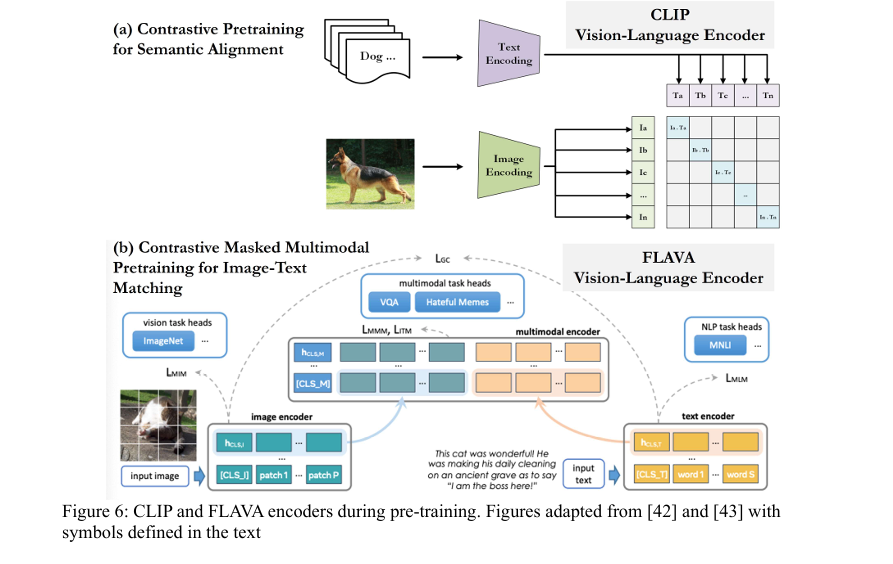
Illustration of a hybrid AI system linking microscope images of metal microstructures with expert textual assessments using vision-language models like CLIP, vision-language representations and FLAVA.

Customized Vision-Language Representations for Industrial Qualification: Bridging AI and Expert Knowledge in Additive Manufacturing

In the rapidly evolving world of additive manufacturing (AM), ensuring the quality and reliability of engineered materials is a critical bottleneck. Traditional qualification methods rely heavily on manual inspection and expert interpretation, leading to delays, inconsistencies, and scalability issues. A…

Customized Vision-Language Representations for Industrial Qualification: Bridging AI and Expert Knowledge in Additive Manufacturing Read More »