Adnan Saeed

Adnan Saeed is a deep learning researcher working on medical image analysis, with a focus on multimodal architectures, graph neural networks, and evidential deep learning for clinical imaging tasks. His peer reviewed research has appeared in journals across machine learning and biomedical signal processing. At AI Trend Blend he turns recent papers into clear, practical explainers, with an emphasis on what a method actually does and where it holds up, written for readers who want depth without the hype.

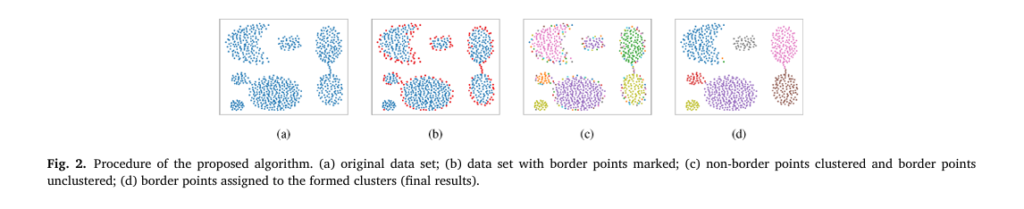
Infographic showing Gauging-β algorithm workflow: border detection, hierarchical clustering, and reassignment of points for superior data separation.

7 Revolutionary Clustering Breakthroughs: Why Gauging-β Outperforms (And When It Fails)

In the rapidly evolving world of machine learning and data science, clustering algorithms are the backbone of unsupervised learning. Yet, despite decades of research, many algorithms still struggle with non-convex shapes, overlapping clusters, and sensitivity to parameters. Enter Gauging-β —…

7 Revolutionary Clustering Breakthroughs: Why Gauging-β Outperforms (And When It Fails) Read More »
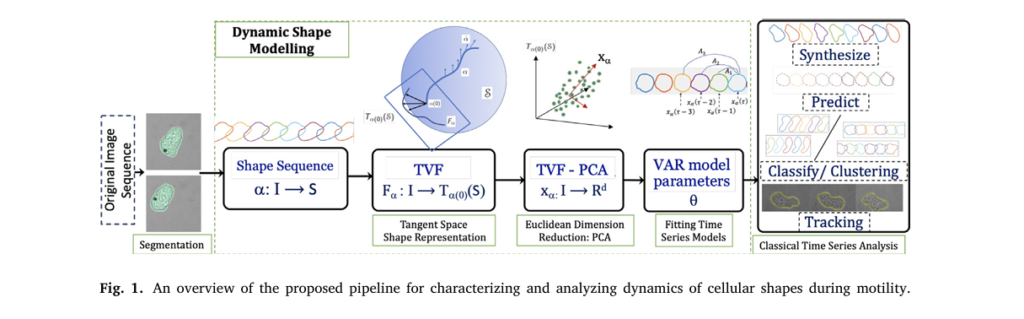
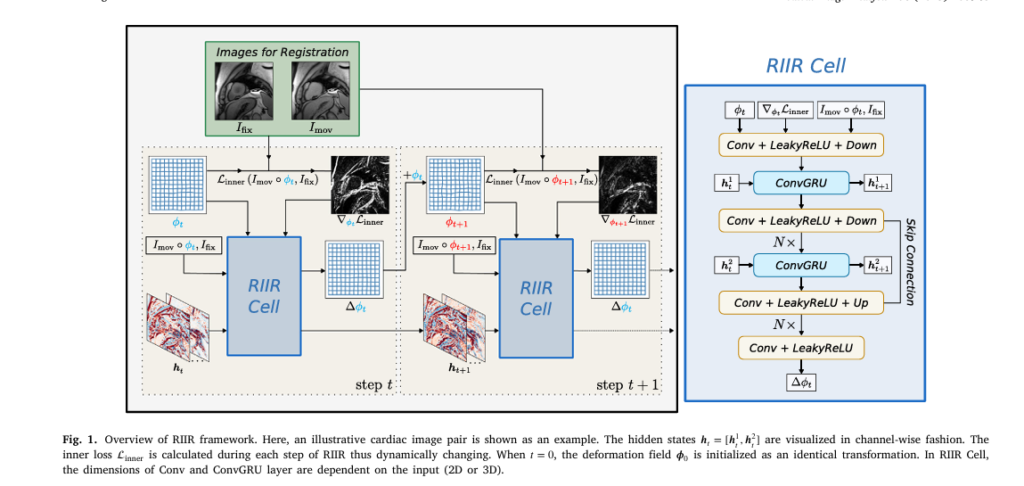
Diagram showing transported velocity fields transforming cell shape sequences into Euclidean time series for advanced analysis.

7 Revolutionary Breakthroughs in Cell Shape Analysis: How a Powerful New Model Outshines Old Methods

In the fast-evolving world of biomedical research and artificial intelligence, understanding cell motility—how cells move and change shape—is critical for unlocking secrets behind cancer metastasis, immune responses, and developmental biology. Yet, traditional methods have long struggled to accurately model the…

7 Revolutionary Breakthroughs in Cell Shape Analysis: How a Powerful New Model Outshines Old Methods Read More »

Illustration showing a futuristic AI-powered medical imaging analyzing a brain MRI, with digital neural network pathways glowing in blue, symbolizing the Recurrent Inference Image Registration (RIIR) process.

7 Revolutionary Breakthroughs in AI Medical Imaging: The Good, the Bad, and the Future of RIIR

In the rapidly evolving world of medical imaging, a groundbreaking new technology is emerging that promises to redefine how doctors align and analyze patient scans. Meet the Recurrent Inference Image Registration (RIIR) network—a revolutionary deep learning framework that’s not only…

7 Revolutionary Breakthroughs in AI Medical Imaging: The Good, the Bad, and the Future of RIIR Read More »

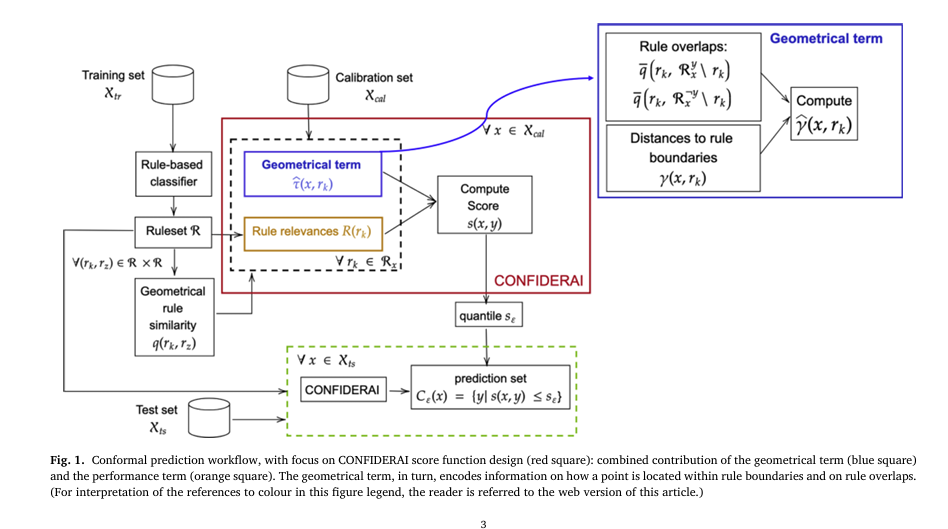
Illustration of CONFIDERAI score function analyzing overlapping decision rules in a 2D feature space, highlighting high-risk prediction zones and conformal critical sets for trustworthy AI.

5 Revolutionary Breakthroughs in AI Safety: How CONFIDERAI Eliminates Prediction Failures While Boosting Trust (But Watch Out for Hidden Risks)

In the rapidly evolving world of artificial intelligence, one question looms larger than ever: Can we truly trust AI systems when lives are on the line? From detecting DNS tunneling attacks to predicting cardiovascular disease, the stakes have never been…

5 Revolutionary Breakthroughs in AI Safety: How CONFIDERAI Eliminates Prediction Failures While Boosting Trust (But Watch Out for Hidden Risks) Read More »

Integrated Gradients BOOST Knowledge Distillation

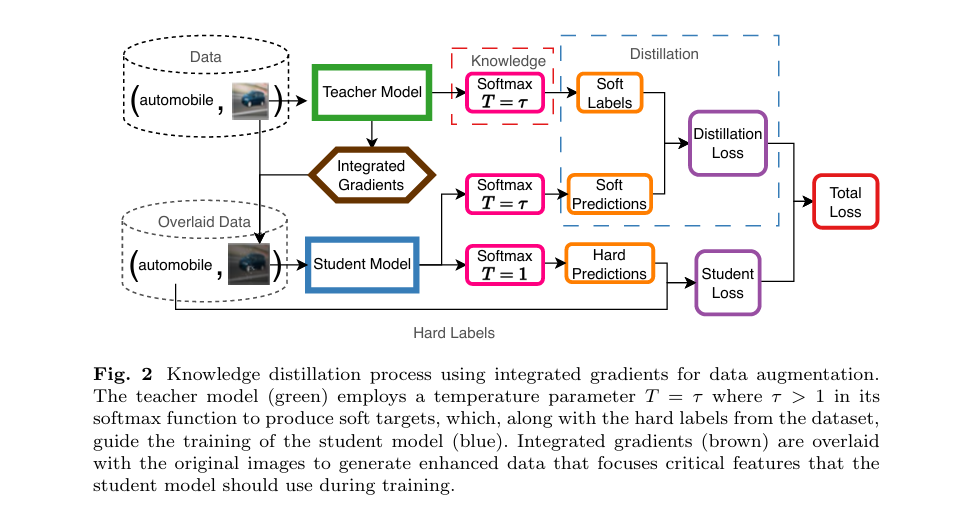
Knowledge Distillation Meets Integrated Gradients: A Smarter Way to Compress Neural Networks

Imagine watching someone take an expert’s detailed reasoning, strip out everything except the most important cues, and hand those cues to a student who has never seen the full picture. That is roughly what a team from National Cheng Kung…

Knowledge Distillation Meets Integrated Gradients: A Smarter Way to Compress Neural Networks Read More »

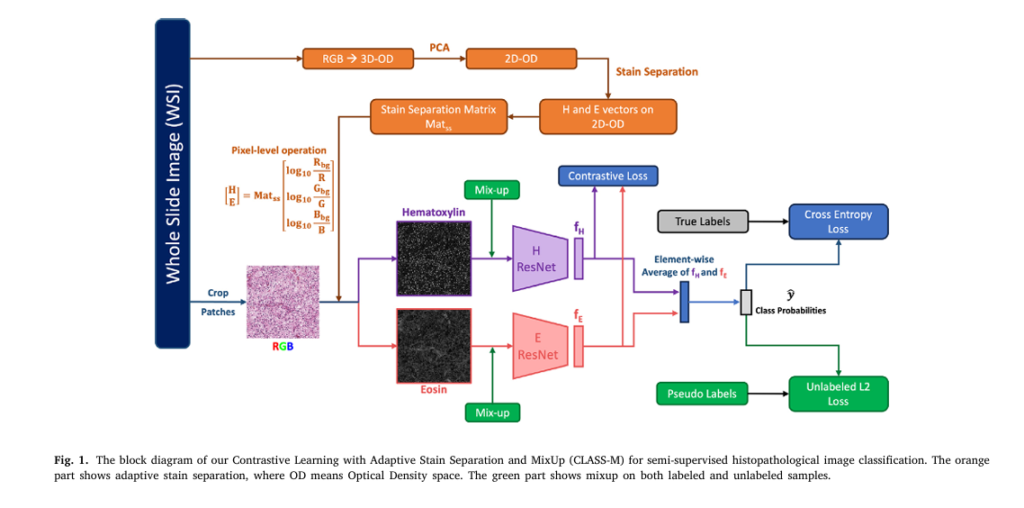
CLASS-M model outperforms existing methods in ccRCC classification with adaptive stain separation and pseudo-labeling.

1 Breakthrough vs. 1 Major Flaw: CLASS-M Revolutionizes Cancer Detection in Histopathology

In the rapidly evolving field of medical imaging, artificial intelligence (AI) is transforming how we detect and diagnose diseases like cancer. A groundbreaking new study introduces CLASS-M, a semi-supervised deep learning model that achieves 95.35% accuracy in classifying clear cell…

1 Breakthrough vs. 1 Major Flaw: CLASS-M Revolutionizes Cancer Detection in Histopathology Read More »

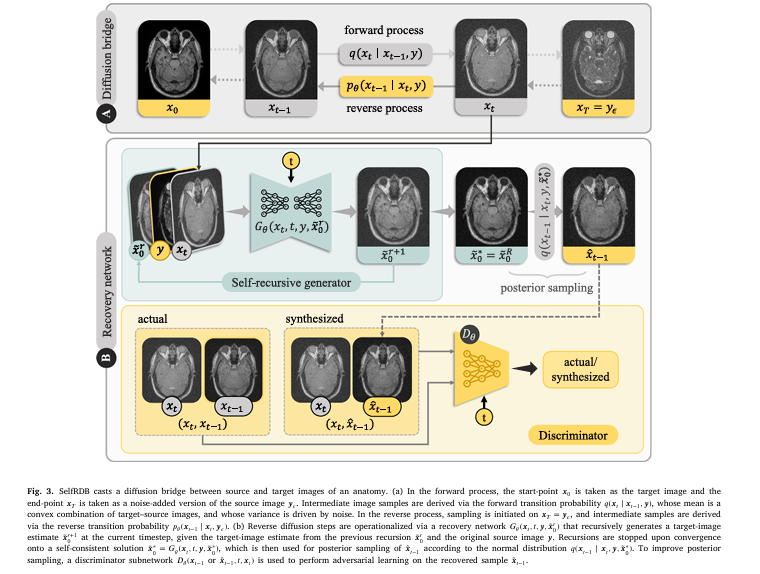
Diagram showing the SelfRDB diffusion bridge process transforming MRI to CT scans with high fidelity and noise robustness for medical image translation.

7 Revolutionary Breakthroughs in Medical Image Translation (And 1 Fatal Flaw That Could Derail Your AI Model)

Medical imaging has long been the cornerstone of modern diagnostics. From detecting tumors to planning radiotherapy, the quality and availability of imaging modalities like MRI and CT can make or break patient outcomes. But what if one scan could become…

7 Revolutionary Breakthroughs in Medical Image Translation (And 1 Fatal Flaw That Could Derail Your AI Model) Read More »