Adnan Saeed

Adnan Saeed is a deep learning researcher working on medical image analysis, with a focus on multimodal architectures, graph neural networks, and evidential deep learning for clinical imaging tasks. His peer reviewed research has appeared in journals across machine learning and biomedical signal processing. At AI Trend Blend he turns recent papers into clear, practical explainers, with an emphasis on what a method actually does and where it holds up, written for readers who want depth without the hype.

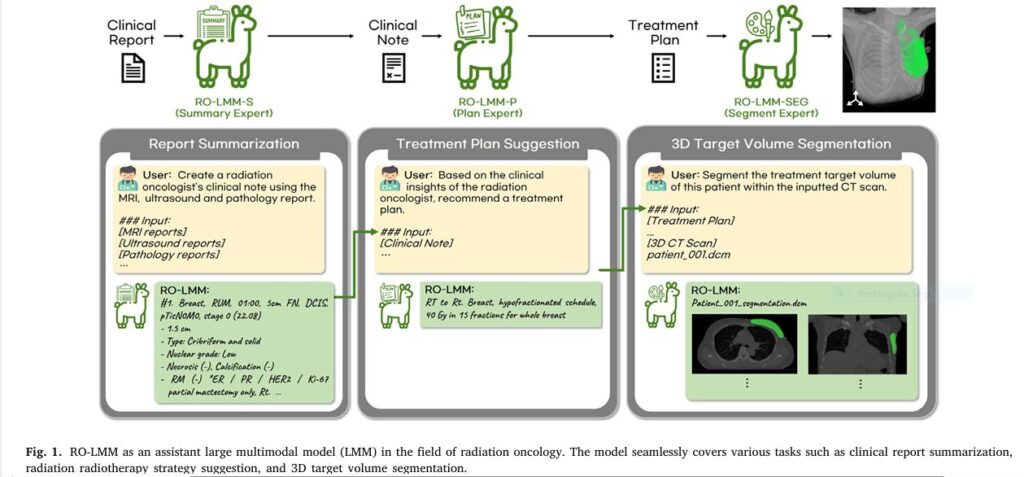
RO-LMM AI system seamlessly processing MRI, ultrasound, and pathology reports to generate precise radiotherapy plans and 3D target segmentations for a breast cancer patient."

Beyond Human Limits 1: How RO-LMM’s AI is Revolutionizing Breast Cancer Radiotherapy Planning (Saving Lives & Time)

The Crippling Burden of Breast Cancer Radiotherapy Planning (And the AI Solution Changing Everything) Every 38 seconds, a woman is diagnosed with breast cancer globally. For these patients, timely and precise radiotherapy is often a lifeline. Yet, the complex, multi-step process of planning this treatment – involving synthesizing medical reports, defining treatment strategies, and meticulously mapping […]
Beyond Human Limits 1: How RO-LMM’s AI is Revolutionizing Breast Cancer Radiotherapy Planning (Saving Lives & Time) Read More »

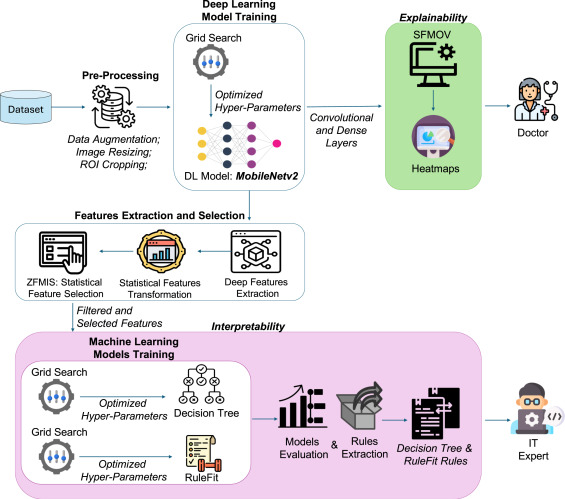
SVIS-RULEX SFMOV heatmap overlay on a chest X-ray: Red/Orange areas highlight regions of high statistical significance (e.g., mean intensity, skewness, entropy) corresponding to COVID-19 lung opacities, validated by radiologists. Blue areas show less relevant tissue

3 Breakthroughs & 1 Warning: How Explainable AI SVIS-RULEX is Revolutionizing Medical Imaging (Finally!)

For years, artificial intelligence (AI) has promised to revolutionize medical diagnosis, particularly in analyzing complex medical images like X-rays, MRIs, and ultrasounds. Deep learning models consistently achieve superhuman accuracy in spotting tumors, infections, and subtle pathologies. Yet, a critical roadblock remains: the “black box” problem. How does the AI really make its decision? Without transparency, doctors hesitate to

3 Breakthroughs & 1 Warning: How Explainable AI SVIS-RULEX is Revolutionizing Medical Imaging (Finally!) Read More »

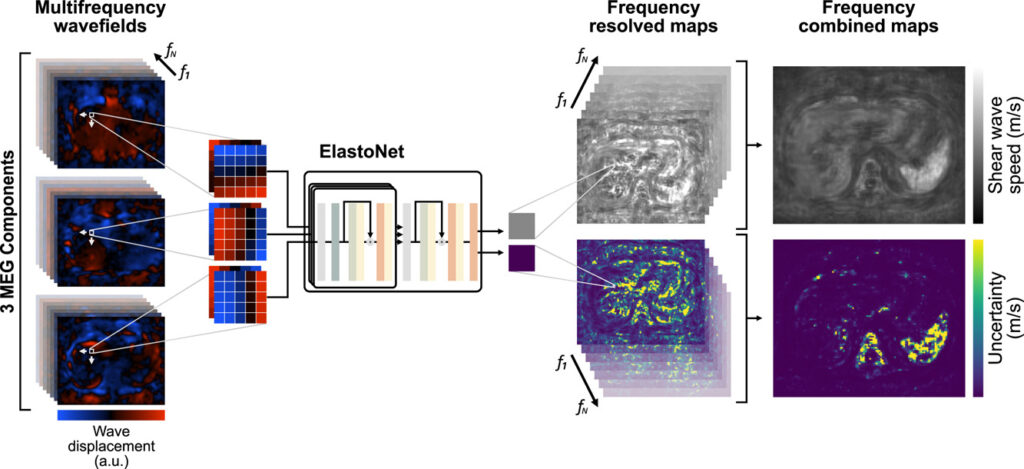
ElastoNet: A revolutionary neural network approach to MR Elastography inversion with uncertainty quantification.

ElastoNet 1: The Revolutionary Neural Network for MRE Wave Inversion with Uncertainty Quantification (Pros & Cons)

Introduction: Why ElastoNet Is Changing the Game in Medical Imaging Medical imaging has seen a rapid evolution over the past decade, especially in non-invasive diagnostics. Among these advancements, Magnetic Resonance Elastography (MRE) has emerged as a powerful technique for evaluating tissue stiffness — a key biomarker in diagnosing diseases like liver fibrosis and cancer. However,

ElastoNet 1: The Revolutionary Neural Network for MRE Wave Inversion with Uncertainty Quantification (Pros & Cons) Read More »

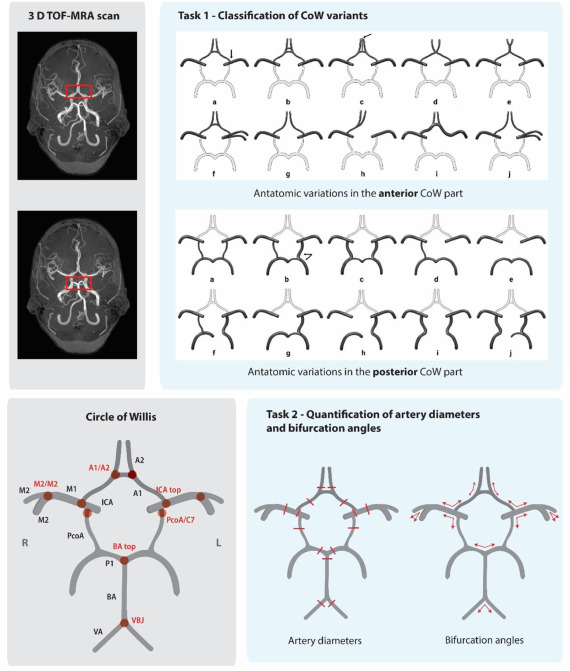
AI algorithms analyzing 3D TOF-MRA scans of the Circle of Willis for aneurysm risk prediction in Crown challenge

CROWN Challenge Breakthrough: 6 AI Solutions Transform Brain Artery Analysis (But Still Fall Short)

Why Intracranial Aneurysm Screening Is Failing Patients Intracranial aneurysms (IAs) affect 3% of the global population, yet rupture often strikes without warning. The CROWN Challenge—a landmark MICCAI 2023 study—reveals a critical gap: current IA screening misses 92% of at-risk cases. Traditional manual assessment of the Circle of Willis (CoW) is slow, inconsistent, and fails to leverage key

CROWN Challenge Breakthrough: 6 AI Solutions Transform Brain Artery Analysis (But Still Fall Short) Read More »

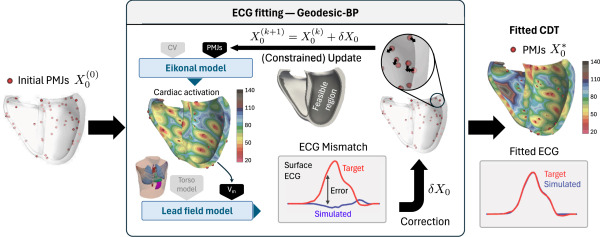
Advanced 3D visualization of a cardiology digital twin showing ventricular activation and ECG mapping

7 Groundbreaking Innovations in Cardiac Digital Twins: Unlocking the Future of Precision Cardiology (and 3 Major Challenges Holding It Back)

The Non-Invasive Revolution in Cardiac Mapping Imagine holding a perfect digital replica of your heart that beats like the real thing, predicts how you’ll respond to treatments, and pinpoints electrical flaws without invasive tests. This isn’t science fiction—it’s the promise of Cardiac Digital Twins (CDTs), and a groundbreaking study just cracked a critical code: decoding your heart’s hidden

7 Groundbreaking Innovations in Cardiac Digital Twins: Unlocking the Future of Precision Cardiology (and 3 Major Challenges Holding It Back) Read More »

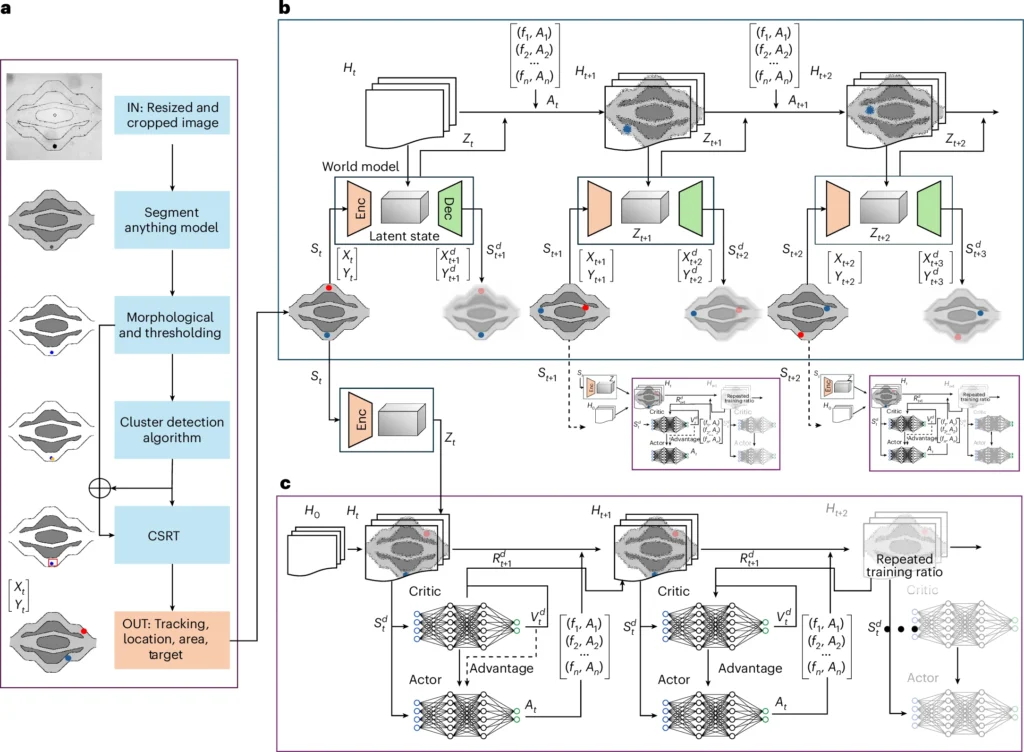
AI-controlled ultrasound microrobots navigating complex vascular networks with precision under microscopic view

7 Revolutionary Breakthroughs in AI-Powered Ultrasound Microrobots That Could Transform Medicine Forever

Imagine microscopic robots swimming through your bloodstream, precisely delivering cancer drugs to tumors or clearing arterial plaque with zero invasive surgery. This isn’t science fiction – it’s happening now through groundbreaking AI breakthroughs. Researchers at ETH Zurich have cracked the code for controlling ultrasound-powered microrobots using revolutionary model-based reinforcement learning, achieving 90% success rates in complex navigation

7 Revolutionary Breakthroughs in AI-Powered Ultrasound Microrobots That Could Transform Medicine Forever Read More »

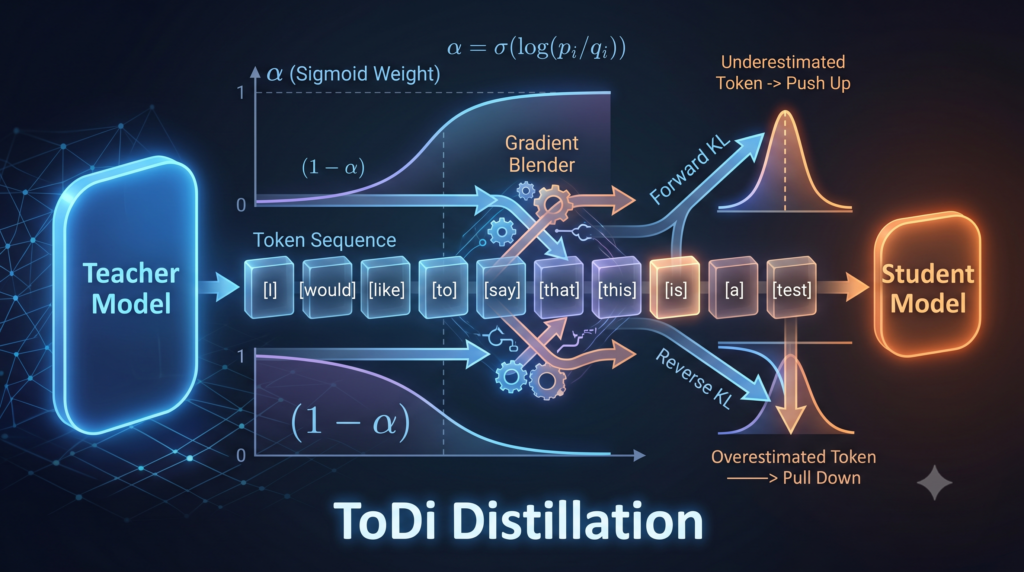
ToDi, Per Token KL Divergence Control for LLM Distillation.

ToDi: Per Token KL Divergence Control for LLM Distillation

Machine Learning › Knowledge Distillation › Paper Analysis Knowledge Distillation Forward KL Reverse KL LLM Compression Instruction Following Paper Analysis Analysis by the aitrendblend editorial team · October 2025 · 13 min read · arXiv:2505.16297 aitrendblend.com · Knowledge Distillation ToDi, Per Token Control of KL Divergence in LLM Distillation A seven billion parameter model writes

ToDi: Per Token KL Divergence Control for LLM Distillation Read More »

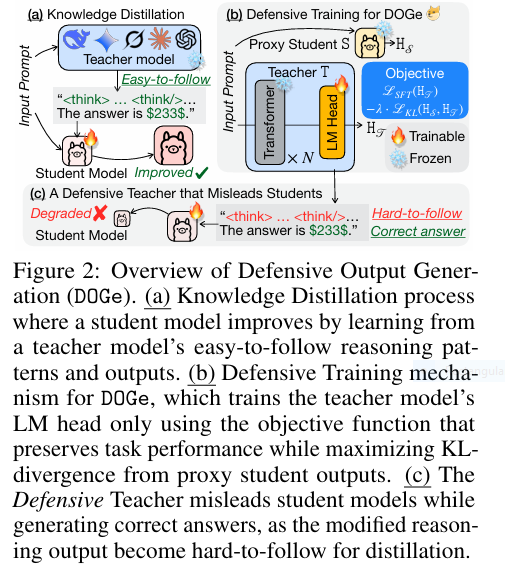
A futuristic illustration of a digital shield protecting an AI model, symbolizing the advanced security provided by DOGe for Large Language Models.

7 Revolutionary Ways DOGe Is Transforming LARGE LANGUAGE MODEL (LLM) Security (And What You’re Missing!)

In the ever-evolving world of artificial intelligence, Large Language Models (LLMs) have become the backbone of innovation. From chatbots to content generation tools, these models power some of the most sophisticated applications in use today. However, with great power comes great vulnerability — especially when it comes to model imitation via knowledge distillation (KD) .

7 Revolutionary Ways DOGe Is Transforming LARGE LANGUAGE MODEL (LLM) Security (And What You’re Missing!) Read More »

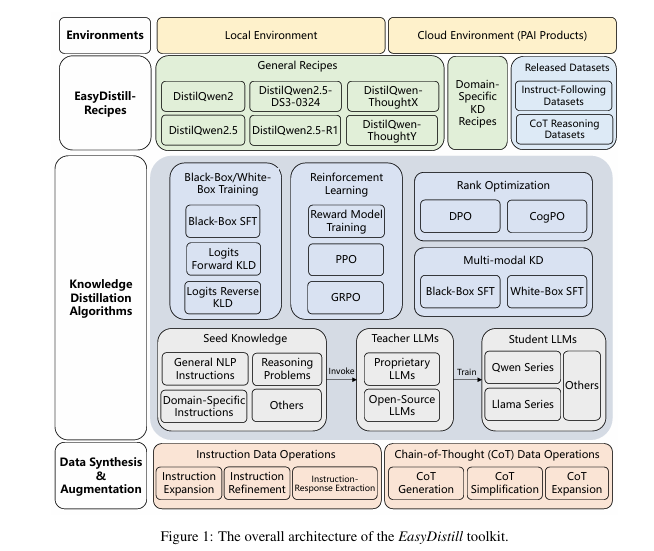
A visual representation of the EasyDistill toolkit revolutionizing knowledge distillation in large language models.

7 Revolutionary Ways EasyDistill is Changing LLM Knowledge Distillation (And Why You Should Care!)

Introduction: The Future of LLM Optimization Starts Here Artificial Intelligence (AI) has transformed how we interact with technology, especially through Large Language Models (LLMs) . These powerful systems have redefined natural language processing (NLP), enabling machines to understand and generate human-like text. However, as impressive as these models are, they come with significant challenges—high computational

7 Revolutionary Ways EasyDistill is Changing LLM Knowledge Distillation (And Why You Should Care!) Read More »

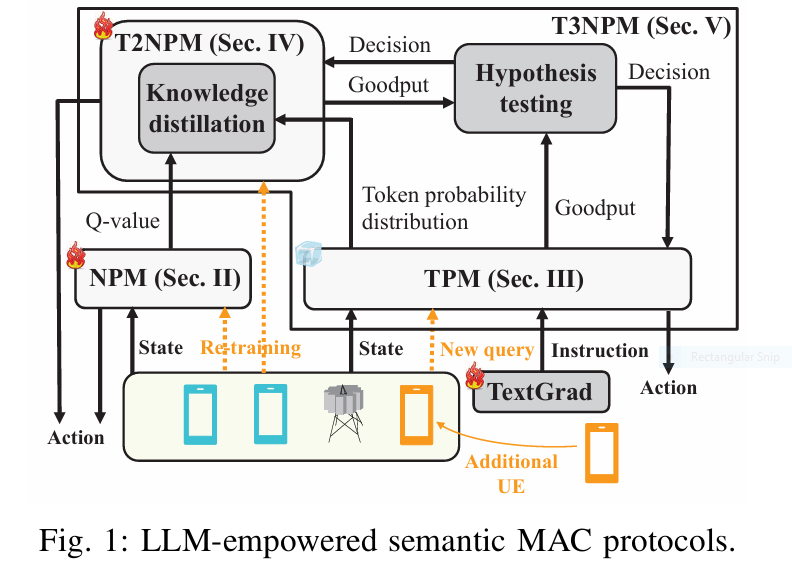
AI brain managing a complex network of devices, preventing red error signals, symbolizing resilient wireless network communication.

Beyond the Blackout: 3 Game-Changing AI Solutions That Fix Wireless Network Meltdowns (For Good!)

Imagine a critical factory floor. Robots communicate flawlessly… until 10 new sensors come online. Suddenly, commands clash, data vanishes, and production grinds to a halt. This isn’t science fiction; it’s the harsh reality of today’s wireless networks buckling under change. Traditional network protocols are rigid, crumbling when environments shift – like adding users, changing traffic,

Beyond the Blackout: 3 Game-Changing AI Solutions That Fix Wireless Network Meltdowns (For Good!) Read More »