Medical AI

Medical AI brings together our reporting on machine learning for clinical and biomedical problems, from diagnosis and prognosis to medical image analysis and decision support. Because mistakes in this domain carry a human cost, we pay close attention to evaluation, calibration, uncertainty, and the gap between benchmark numbers and bedside reliability. Expect grounded explainers of recent research rather than uncritical product announcements.

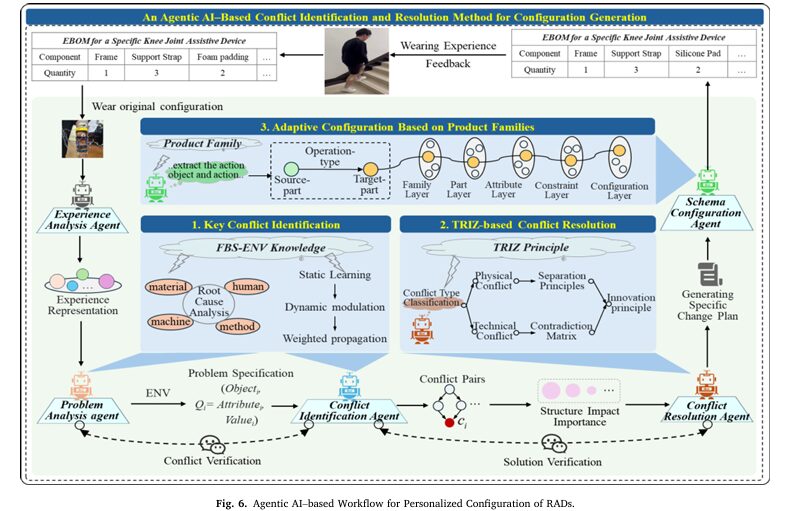
Agentic AI for Personalized Knee Braces: How sEMG, Facial Expressions, and LLMs Combine to Configure Rehab Devices

Donghua University’s five-agent AI system cross-checks muscle signals against facial expressions and verbal reports to configure personalized rehabilitation braces — catching cases where patients exaggerate, suppress, or simply can’t articulate their discomfort accurately. It achieves 0.88 parameter accuracy versus 0.13…
Agentic AI for Personalized Knee Braces: How sEMG, Facial Expressions, and LLMs Combine to Configure Rehab Devices Read More »

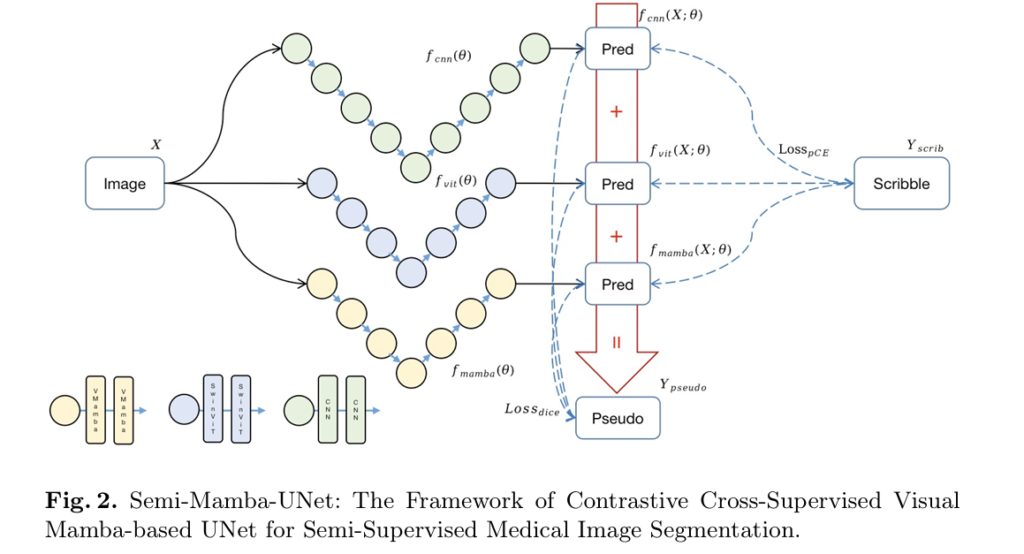
Weak-Mamba-UNet: How CNN, ViT, and Visual Mamba Collaborate to Segment Medical Images from Scribbles

Weak-Mamba-UNet: How CNN, ViT, and Visual Mamba Collaborate to Segment Medical Images from Scribbles

Ziyang Wang at Oxford and Chao Ma introduce Weak-Mamba-UNet: the first weakly-supervised framework that runs CNN, Vision Transformer, and Visual Mamba together under scribble supervision, letting each architecture’s strengths cover the others’ blind spots. On MRI cardiac segmentation, it achieves…

Weak-Mamba-UNet: How CNN, ViT, and Visual Mamba Collaborate to Segment Medical Images from Scribbles Read More »

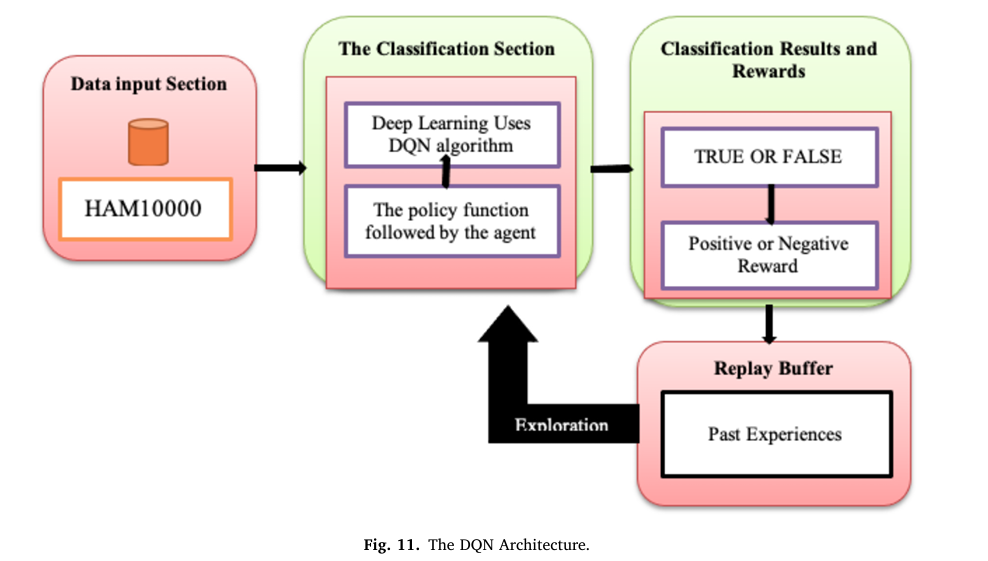
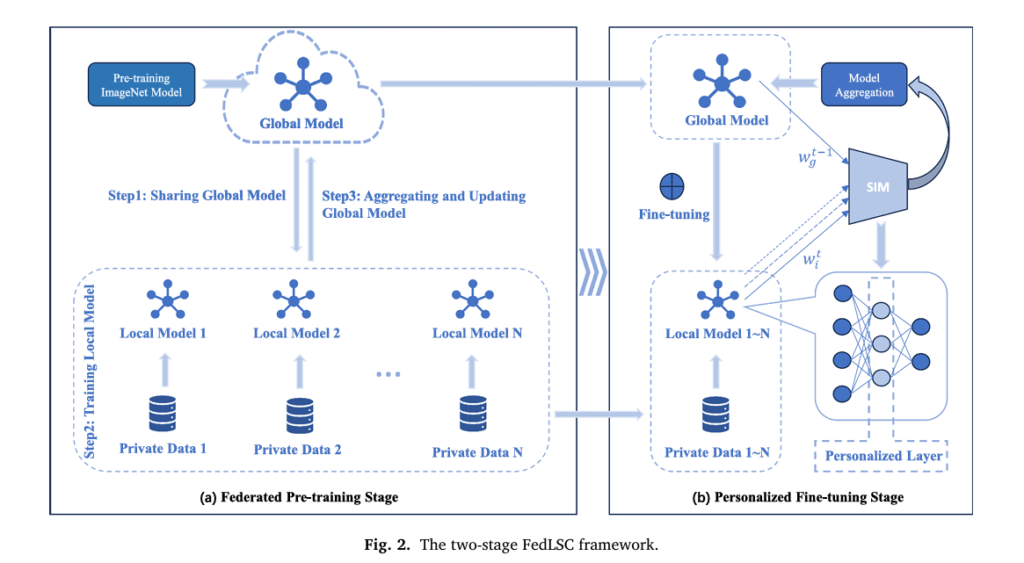
FedLSC: Federated Learning with Layer Similarity Comparison for Skin Cancer.

FedLSC: Federated Learning with Layer Similarity Comparison for Skin Cancer

Researchers at Southwest University built a two-stage federated learning framework that measures how similar different hospitals’ model updates are — layer by layer — then uses that similarity to allocate smarter aggregation weights and automatically pick which layers to keep…

FedLSC: Federated Learning with Layer Similarity Comparison for Skin Cancer Read More »

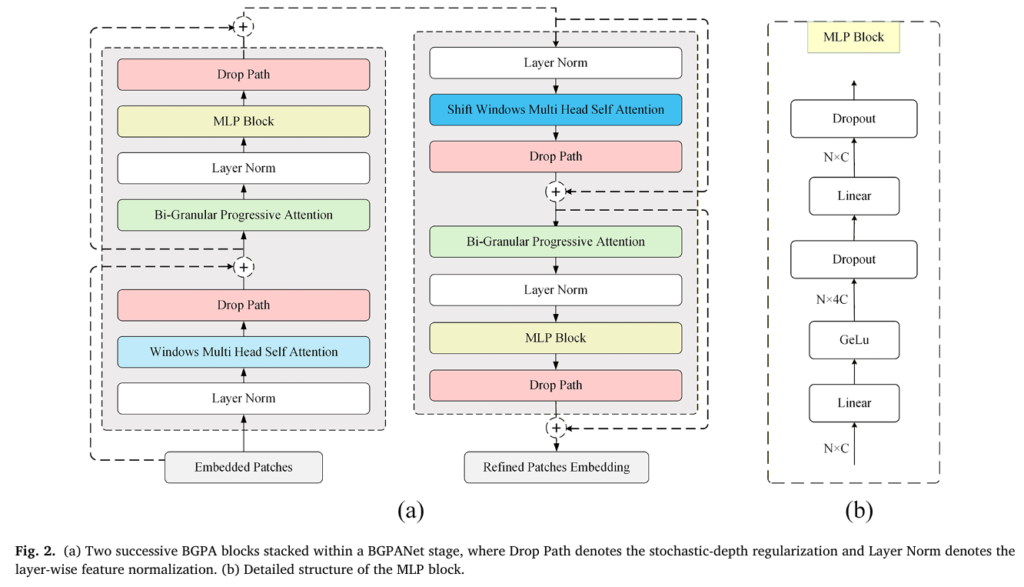
BGPANet: How Bi-Granular Progressive Attention Cracked the Skin Cancer Diagnosis Problem

BGPANet: How Bi-Granular Progressive Attention Cracked the Skin Cancer Diagnosis Problem

How a research team from Changchun University designed a network that mimics the “local-first, global-second” reasoning of expert clinicians — and in doing so, achieved state-of-the-art accuracy on two major skin cancer benchmarks while solving the imbalanced data problem that…

BGPANet: How Bi-Granular Progressive Attention Cracked the Skin Cancer Diagnosis Problem Read More »

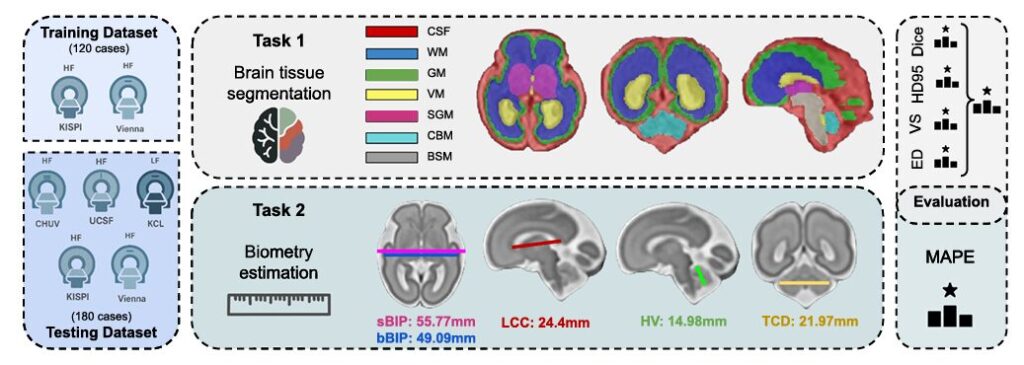
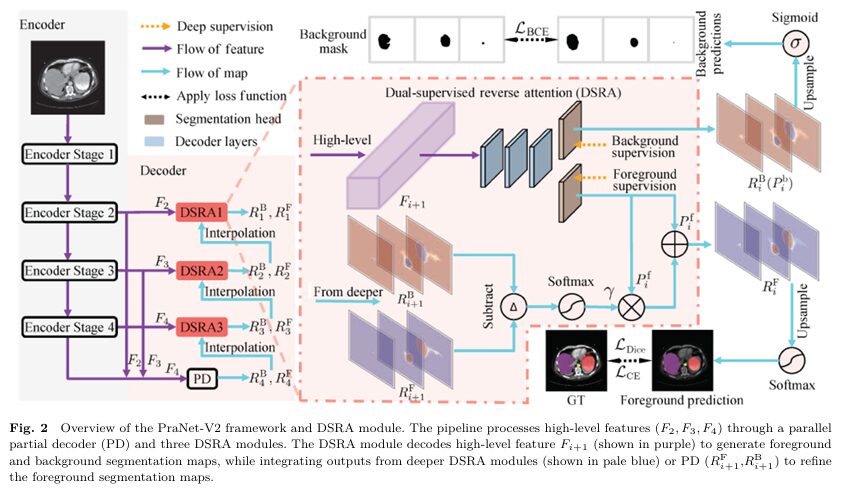
FeTA 2024: What 16 Teams Scanning Unborn Brains Taught Us About the Limits of AI Segmentation

FeTA 2024: What 16 Teams Scanning Unborn Brains Taught Us About the Limits of AI Segmentation

A multi-center challenge involving 300 fetal brain MRI scans, 16 competing AI systems, and one quietly unsettling discovery — that a simple gestational-age linear model beat most sophisticated neural networks at biometry prediction.

FeTA 2024: What 16 Teams Scanning Unborn Brains Taught Us About the Limits of AI Segmentation Read More »

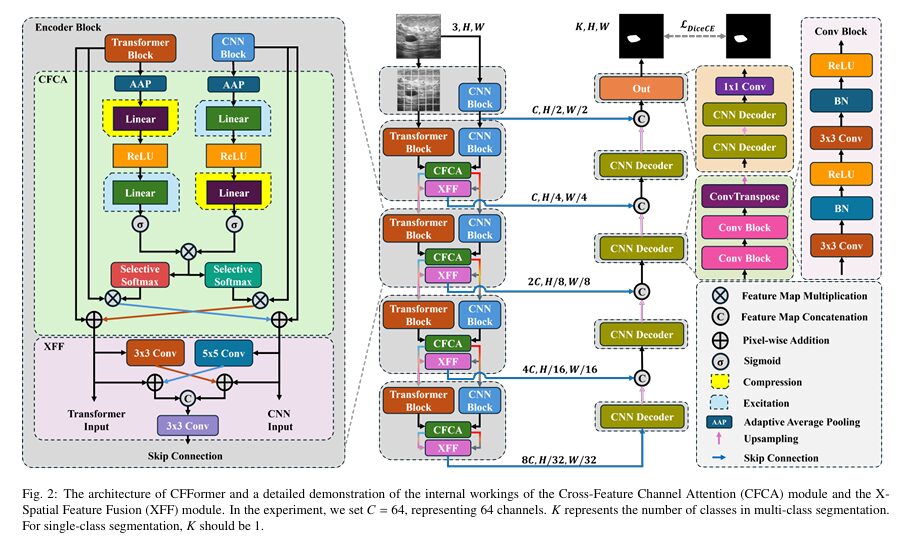
CFFormer: Cross CNN-Transformer Attention Model

CFFormer: How Cross CNN-Transformer Attention Finally Solves the Blurry Ultrasound Problem

Researchers at University of Nottingham Ningbo built a hybrid model that beats every state-of-the-art method across eight medical image datasets — not by stacking more layers or adding heavier attention, but by finally making CNN and Transformer encoders talk to…

CFFormer: How Cross CNN-Transformer Attention Finally Solves the Blurry Ultrasound Problem Read More »

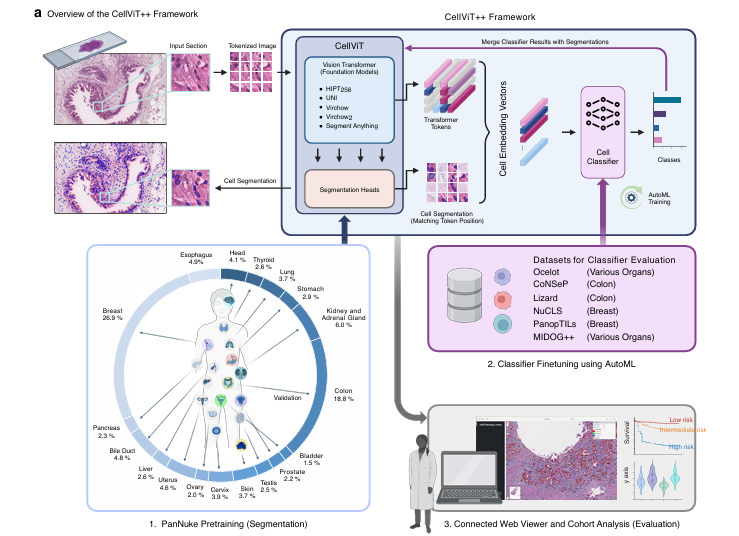
CellViT++: The AI That Learned to Read Cells Without a Pathologist’s Handbook.

CellViT++: The AI That Learned to Read Cells Without a Pathologist’s Handbook

Researchers at University Hospital Essen built a framework that segments and classifies cells in digital pathology slides with almost no training data — and, in one of its more striking tricks, generates its own labeled training datasets from fluorescent stainings,…

CellViT++: The AI That Learned to Read Cells Without a Pathologist’s Handbook Read More »