Machine Learning

Machine learning sits at the core of everything we cover at AI Trend Blend. This section gathers our research breakdowns, method explainers, and practical analyses across supervised, self-supervised, and generative learning, with a steady focus on the ideas that actually move results rather than the noise around them. You will find work spanning optimization, model architectures, training dynamics, and the theory that explains why modern systems behave the way they do, written for readers who want depth without filler.

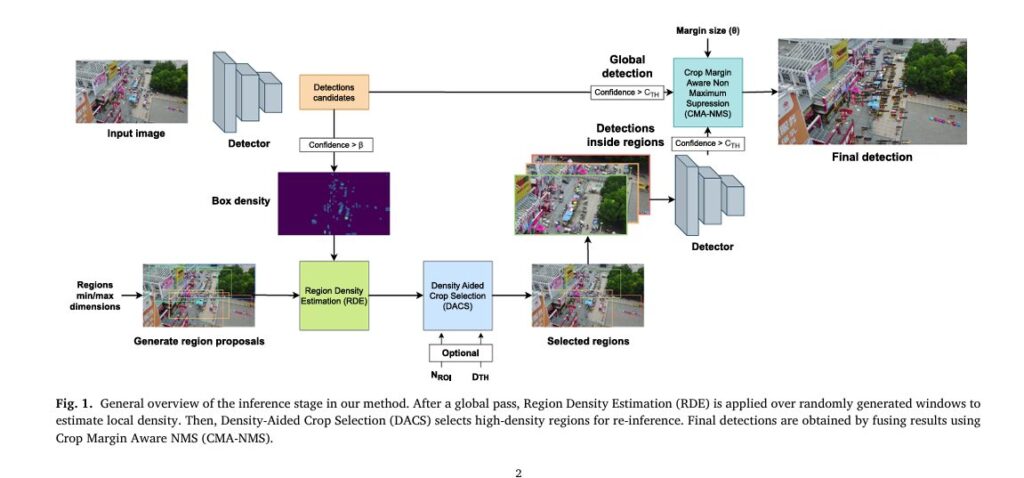
DAHI framework for small object detection

7 Revolutionary Breakthroughs in Small Object Detection: The DAHI Framework

Detecting tiny vehicles in drone footage. Spotting distant pedestrians in smart city surveillance. Identifying miniature components on a factory floor. These are the critical challenges facing modern computer vision—where small object detection (SOD) isn’t just a technical hurdle, but a…

7 Revolutionary Breakthroughs in Small Object Detection: The DAHI Framework Read More »
Revolutionary One-Class Classifier Fusion

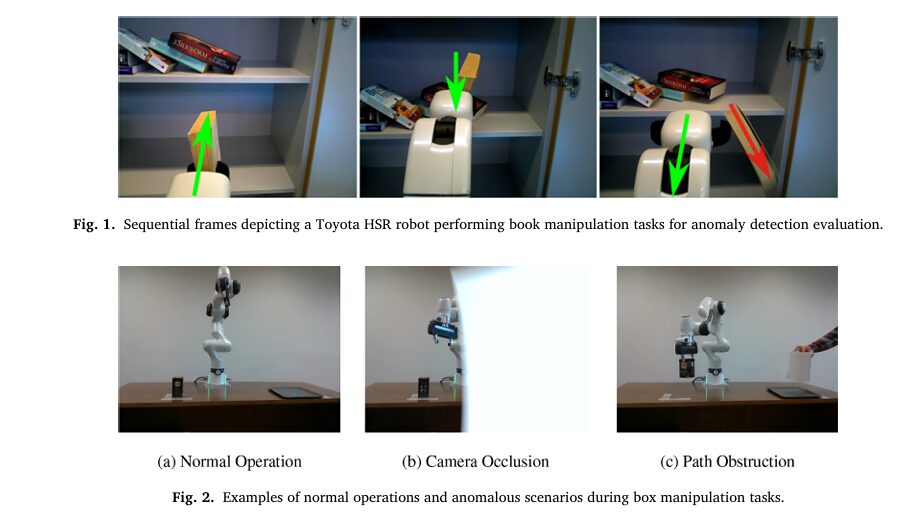
15× Faster & Smarter: The Revolutionary One-Class Classifier Fusion That Outperforms (And What Slows Others Down)

In the high-stakes world of AI-driven security, robotics, and industrial automation, detecting anomalies in real time is no longer optional—it’s essential. Yet, traditional anomaly detection systems often fall short: they’re either too slow to react or too rigid to adapt…

15× Faster & Smarter: The Revolutionary One-Class Classifier Fusion That Outperforms (And What Slows Others Down) Read More »

Proposed DSCA NET for image Segmentation

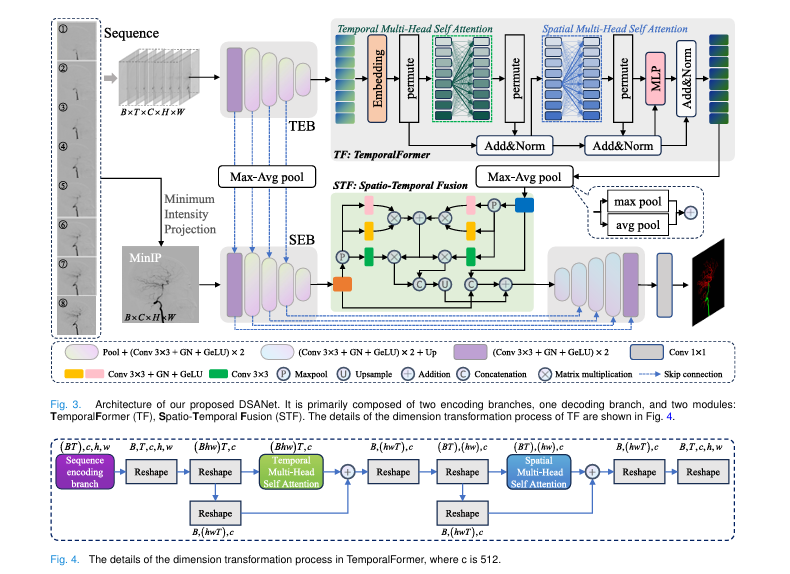
DSANET Uses Full DSA Sequences to Segment Cerebral Arteries

Cerebrovascular diseases, stroke, moyamoya disease, and cerebral aneurysms among them, remain a major cause of death and disability, and diagnosing them accurately depends on understanding the geometry of the cerebral arteries. Digital subtraction angiography, often shortened to DSA, is the…

DSANET Uses Full DSA Sequences to Segment Cerebral Arteries Read More »

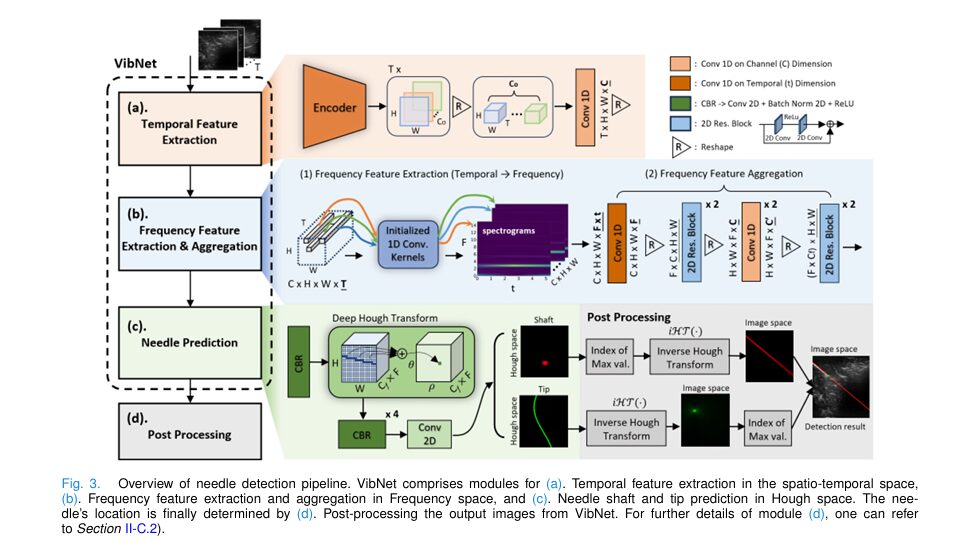
VibNet system detecting a nearly invisible needle in ultrasound using vibration-based deep learning. A red line highlights the predicted needle shaft and tip overlay on a grayscale ultrasound image

7 Revolutionary VibNet Breakthrough Detects Invisible Needles in Ultrasound – But Is It Too Good to Be True?

In the high-stakes world of ultrasound-guided medical procedures, one challenge has haunted clinicians for decades: the needle that disappears. Whether due to poor visibility, tissue artifacts, or suboptimal probe angles, losing sight of a needle tip can lead to serious…

7 Revolutionary VibNet Breakthrough Detects Invisible Needles in Ultrasound – But Is It Too Good to Be True? Read More »

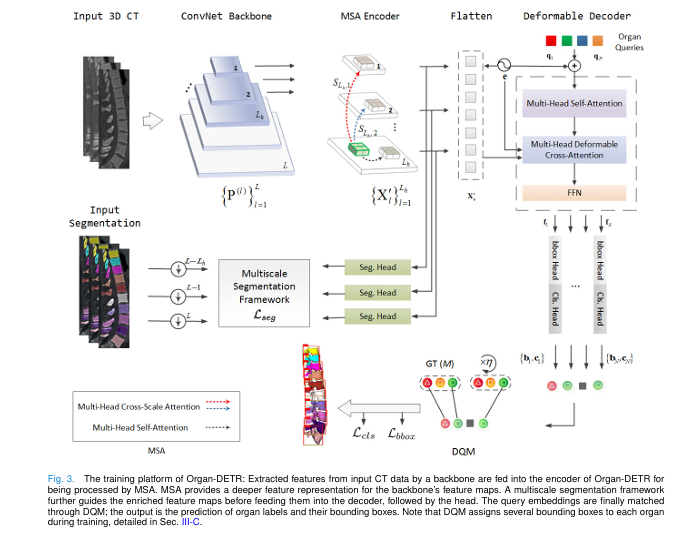
rgan-DETR model detecting liver and postcava in 3D Organ Detection CT scan with bounding boxes, outperforming traditional methods.

Revolutionary Breakthroughs in 3D Organ Detection: How Organ-DETR Outperforms Old Methods (+10.6 mAP Gain!)

In the rapidly evolving world of medical imaging, accurate and fast 3D organ detection is no longer a luxury—it’s a necessity. From early cancer diagnosis to surgical planning, the ability to precisely locate organs in Computed Tomography (CT) scans can…

Revolutionary Breakthroughs in 3D Organ Detection: How Organ-DETR Outperforms Old Methods (+10.6 mAP Gain!) Read More »

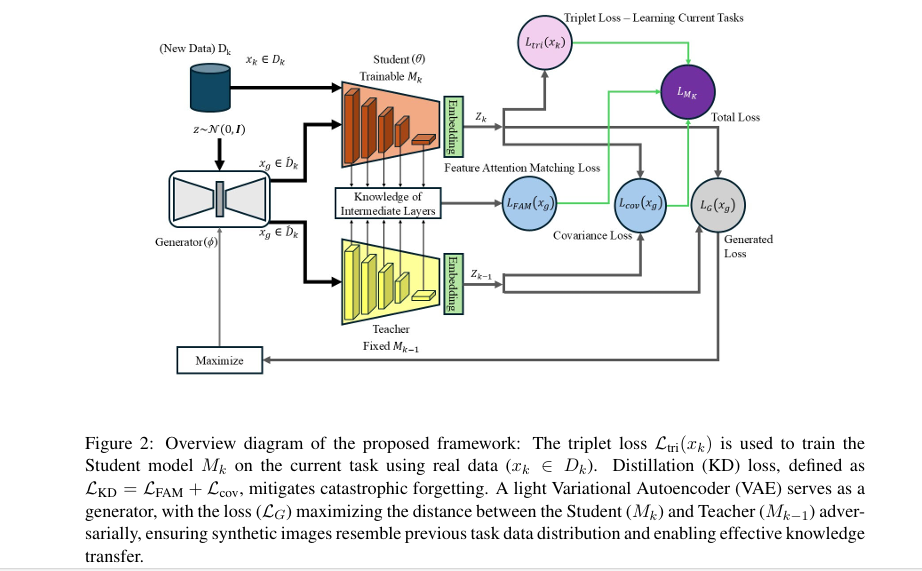
knowledge distillation model for medical diagnosis

Incremental Learning for Medical AI — How Knowledge Distillation Stops Prostate MRI Models from Forgetting

Anyone who has worked on deep learning in healthcare quickly discovers that the academic benchmark setting — one big dataset, one train-test split, one model — rarely survives contact with the real world. Hospital systems accumulate data incrementally. Different sites…

Incremental Learning for Medical AI — How Knowledge Distillation Stops Prostate MRI Models from Forgetting Read More »

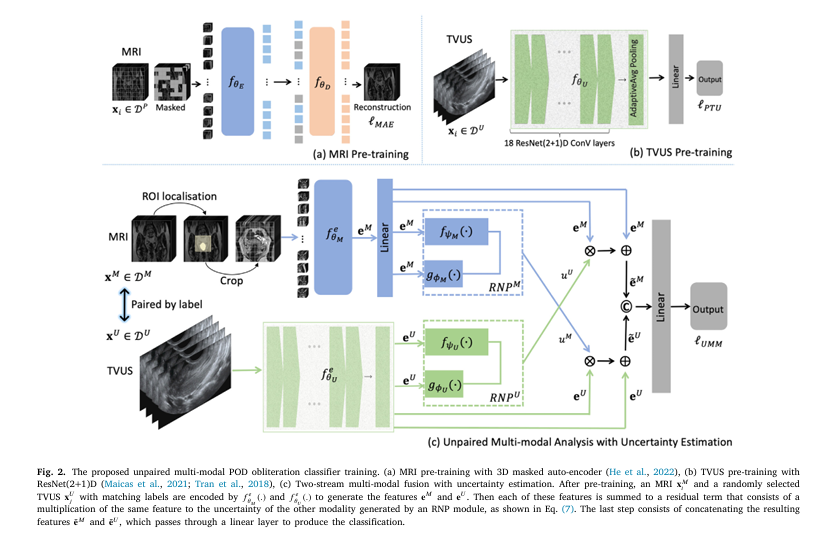
AI-powered endometriosis detection using MRI and ultrasound – a side-by-side comparison of normal and obliterated Pouch of Douglas with algorithmic heatmaps showing automated diagnosis

7 Revolutionary Breakthroughs in Endometriosis Detection: How AI is Transforming Diagnosis

Endometriosis affects 176 million women worldwide, yet diagnosis takes an average of 7–10 years—a delay that devastates lives, careers, and fertility. The gold standard, laparoscopy, is invasive and costly. While transvaginal ultrasound (TVUS) and MRI offer non-invasive alternatives, their diagnostic…

7 Revolutionary Breakthroughs in Endometriosis Detection: How AI is Transforming Diagnosis Read More »