Machine Learning

Machine learning sits at the core of everything we cover at AI Trend Blend. This section gathers our research breakdowns, method explainers, and practical analyses across supervised, self-supervised, and generative learning, with a steady focus on the ideas that actually move results rather than the noise around them. You will find work spanning optimization, model architectures, training dynamics, and the theory that explains why modern systems behave the way they do, written for readers who want depth without filler.

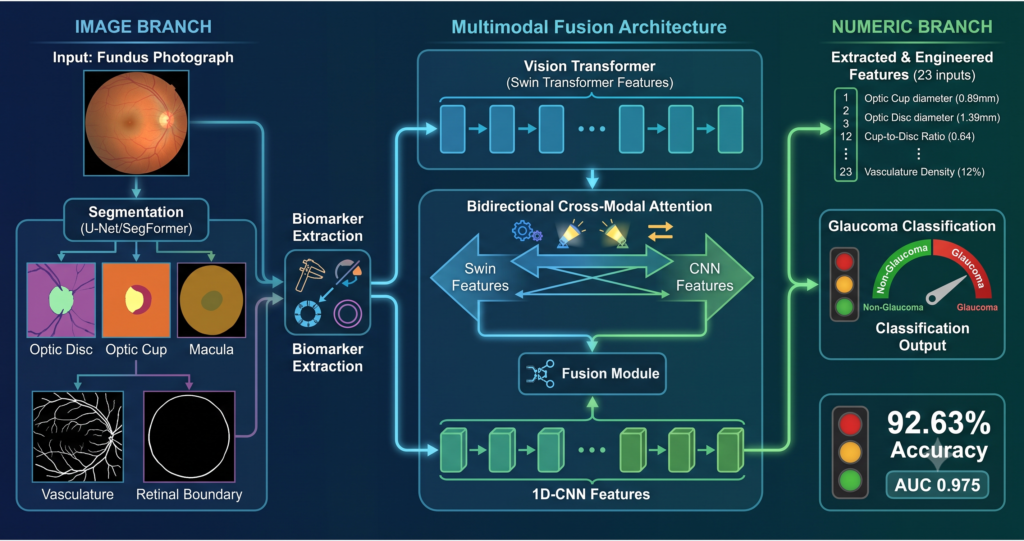
How Multimodal Glaucoma Classification Fuses Segmentation-Derived Biomarkers with Vision Transformer Features

How Multimodal Glaucoma Classification Fuses Segmentation-Derived Biomarkers with Vision Transformer Features

Glaucoma causes progressive damage to the optic nerve and often develops without any early symptoms. This makes early glaucoma detection incredibly vital because existing treatments can only halt or slow down the damage rather than reversing it. Most traditional AI…

How Multimodal Glaucoma Classification Fuses Segmentation-Derived Biomarkers with Vision Transformer Features Read More »

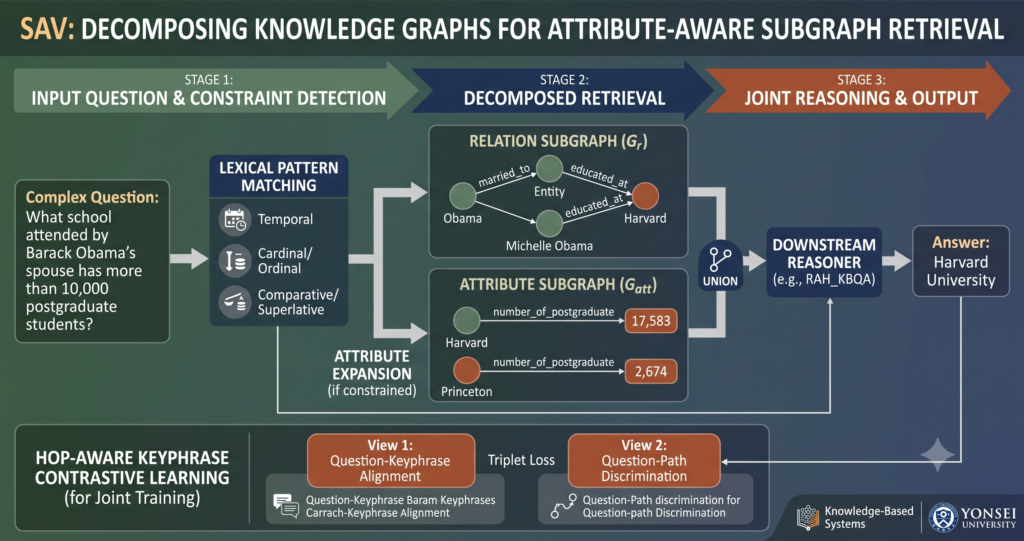
How SAV Adds Literal-Valued Attributes to Knowledge Graph Subgraph Retrieval for Complex Question Answering.

How SAV Adds Literal-Valued Attributes to Knowledge Graph Subgraph Retrieval for Complex Question Answering

A standard knowledge graph contains two qualitatively different types of edges. The first type connects entities to other entities through named relations, forming the relational backbone that most retrieval methods are built to traverse. The second type connects entities to…

How SAV Adds Literal-Valued Attributes to Knowledge Graph Subgraph Retrieval for Complex Question Answering Read More »

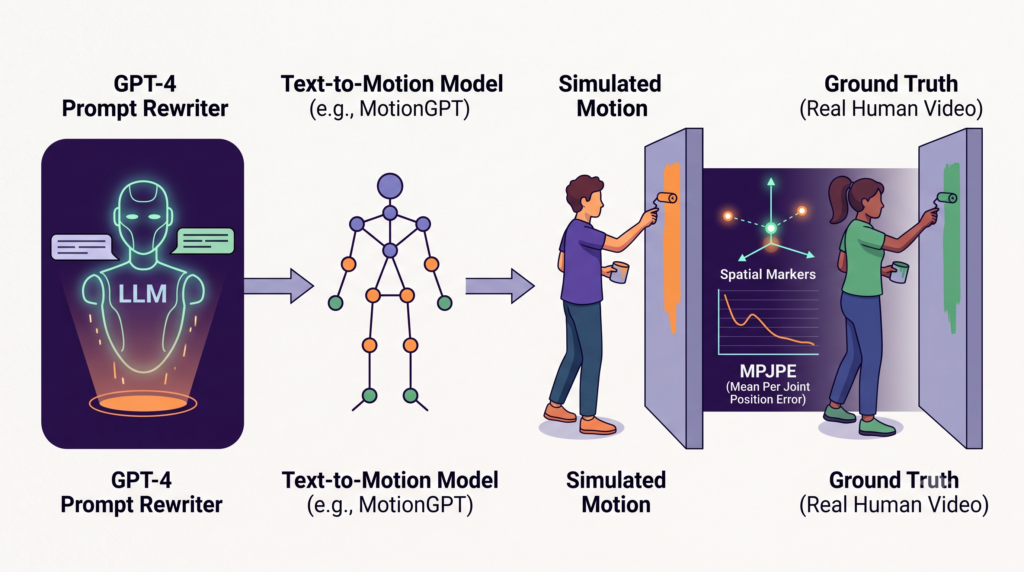
Why GPT-4 Rewritten Prompts Only Sometimes Improve HUMAN Motion Simulation

Why GPT-4 Rewritten Prompts Only Sometimes Improve HUMAN Motion Simulation

Human motion simulation supports a genuinely practical set of jobs, ergonomic risk assessment, safety training, and digital human modeling for manufacturing lines where getting a worker’s posture wrong on paper is a lot cheaper than getting it wrong on the…

Why GPT-4 Rewritten Prompts Only Sometimes Improve HUMAN Motion Simulation Read More »