Machine Learning

Machine learning sits at the core of everything we cover at AI Trend Blend. This section gathers our research breakdowns, method explainers, and practical analyses across supervised, self-supervised, and generative learning, with a steady focus on the ideas that actually move results rather than the noise around them. You will find work spanning optimization, model architectures, training dynamics, and the theory that explains why modern systems behave the way they do, written for readers who want depth without filler.

The Moon's Many Faces: A Single Unified Transformer for Multimodal Lunar Reconstruction

The Moon’s Many Faces: A Single Unified Transformer for Multimodal Lunar Reconstruction

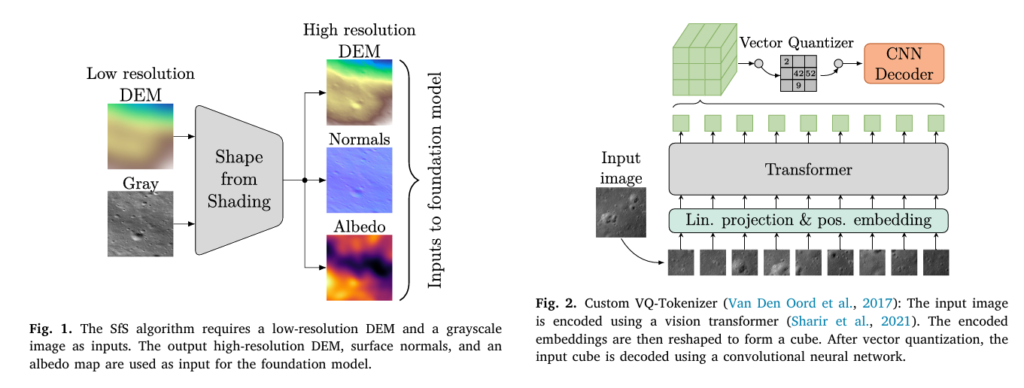
A team at TU Dortmund built a single 29.7-million-parameter foundation model that can translate any combination of lunar data — grayscale images, elevation maps, surface normals, and albedo — to any other, all in a single forward pass. The key…

The Moon’s Many Faces: A Single Unified Transformer for Multimodal Lunar Reconstruction Read More »

CS-EMCF: Compressive Sensing Phase Unwrapping for SAR Interferometry.

CS-EMCF: Compressive Sensing Phase Unwrapping for SAR Interferometry

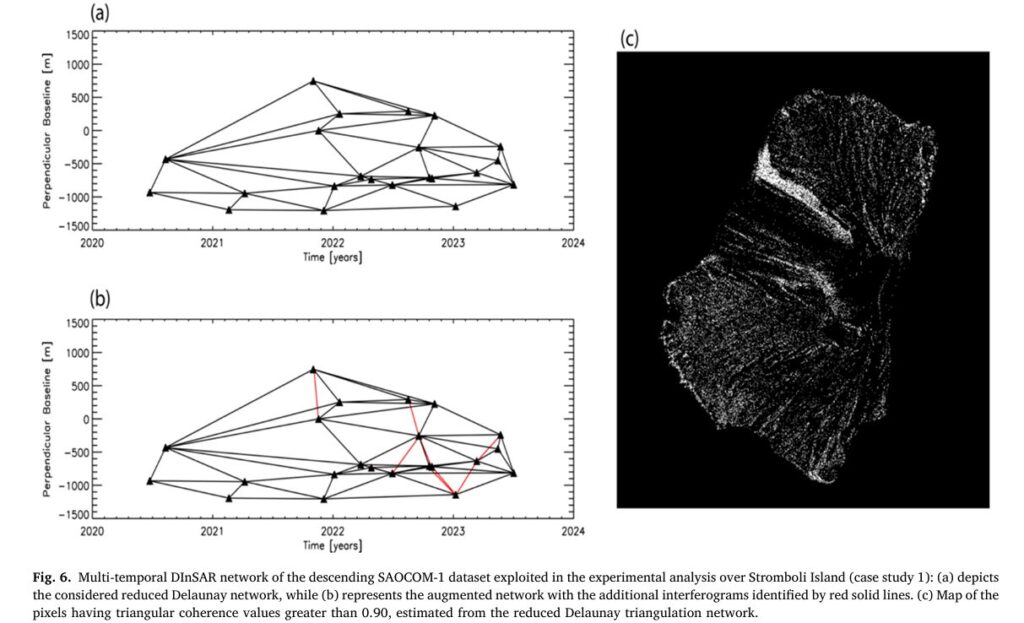
Researchers at Italy’s CNR-IREA fused decades-old minimum cost flow theory with modern compressive sensing to build a phase unwrapping algorithm that detected a 40 cm volcanic displacement at Stromboli that the classic EMCF method simply could not recover — and…

CS-EMCF: Compressive Sensing Phase Unwrapping for SAR Interferometry Read More »

Fusion-Mamba: Hidden State Space Fusion for Cross-Modality Object Detection

Fusion-Mamba: Hidden State Space Fusion for Cross-Modality Object Detection

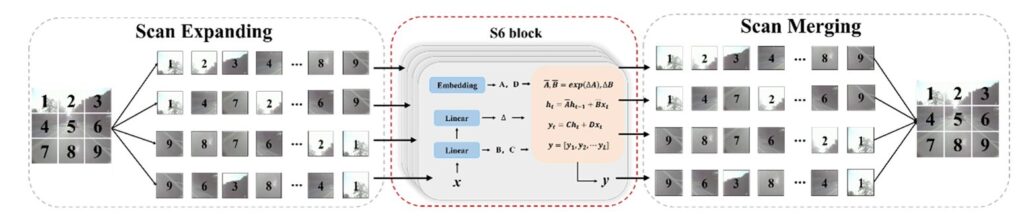
Researchers at Beihang University asked what happens when you stop treating cross-modal fusion as a spatial alignment problem and start treating it as a state-space modeling problem. The answer outperforms every transformer-based fusion method while running faster — by mapping…

Fusion-Mamba: Hidden State Space Fusion for Cross-Modality Object Detection Read More »

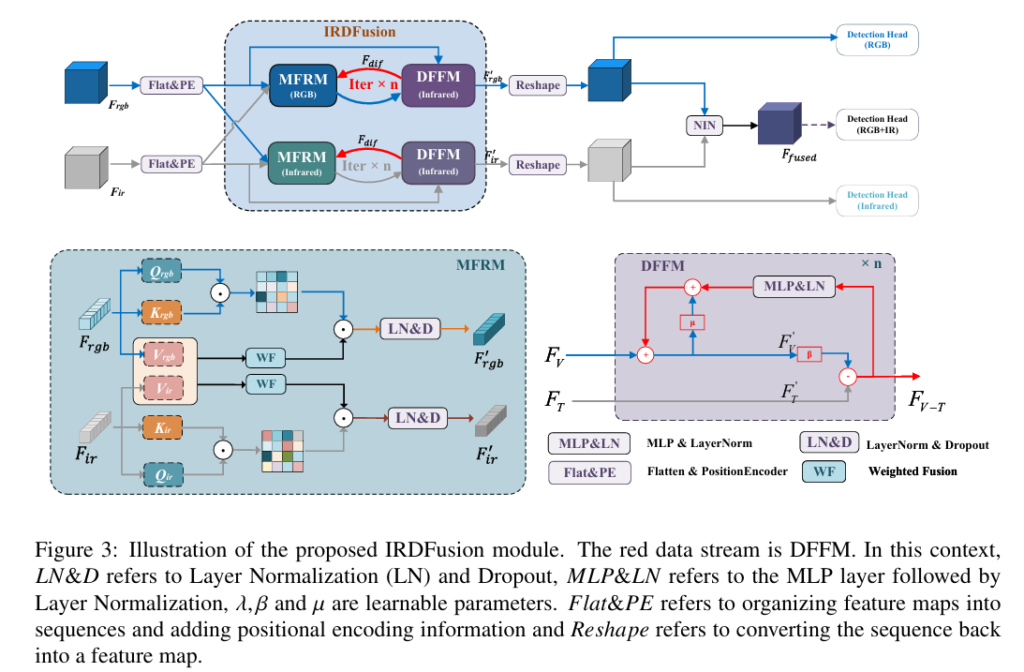
IRDFusion: Iterative Differential Feedback for Multispectral Object Detection.

IRDFusion: Iterative Differential Feedback for Multispectral Object Detection

Researchers at Jiangsu University asked a simple question: what if we treated cross-modal feature fusion the same way electrical engineers treat differential amplifiers? The answer — IRDFusion — hits 88.3 mAP50 on FLIR and works as a plug-and-play module inside…

IRDFusion: Iterative Differential Feedback for Multispectral Object Detection Read More »

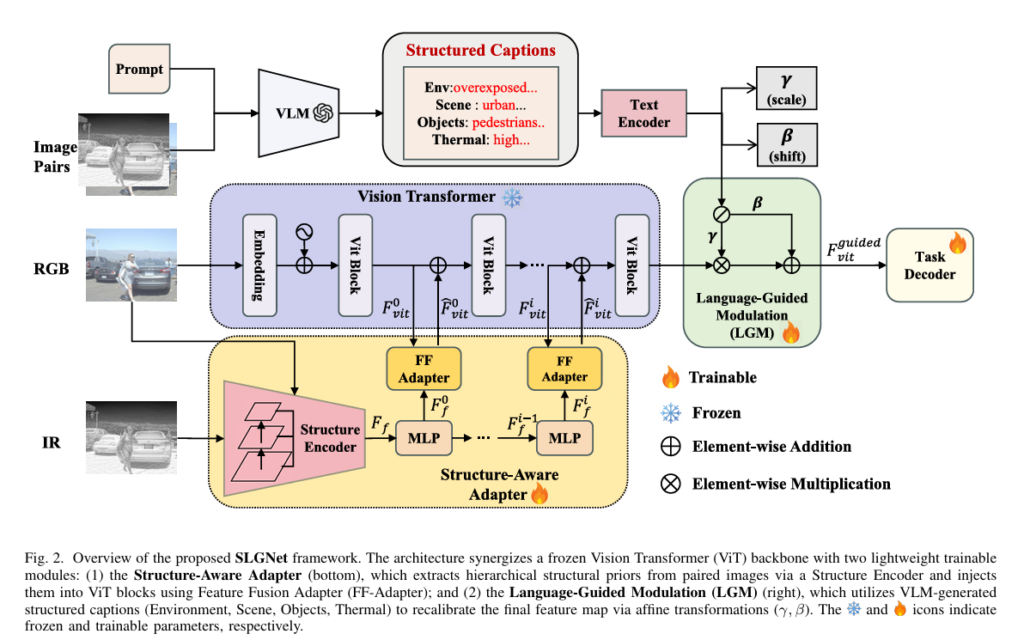
SLGNet: Structural Priors and Language-Guided Modulation for Multimodal Object Detection.

SLGNet: Structural Priors and Language-Guided Modulation for Multimodal Object Detection

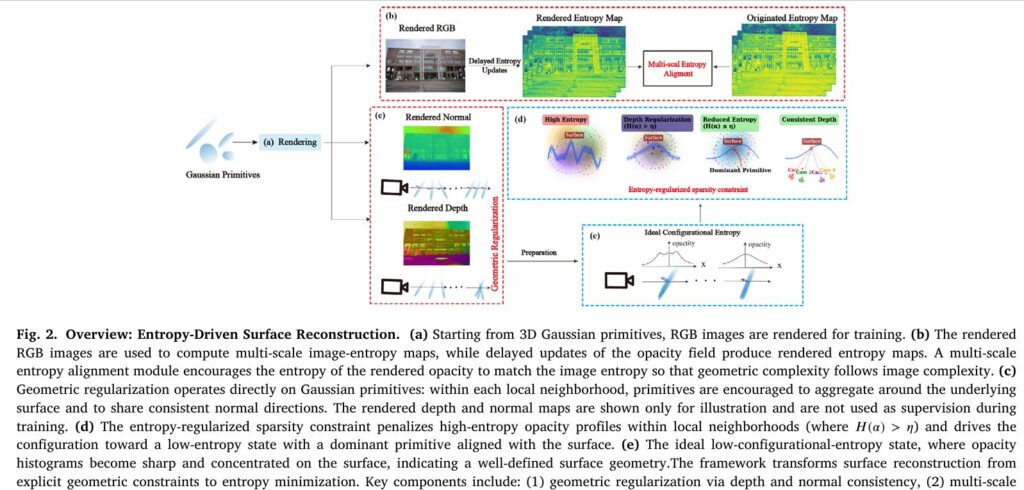
Researchers at the Chinese Academy of Sciences built a multimodal object detector that freezes 88% of its parameters, asks a language model to describe the scene, and still beats every fully fine-tuned competitor — including on aerial drone footage at…

SLGNet: Structural Priors and Language-Guided Modulation for Multimodal Object Detection Read More »

HMHI-Net: Hierarchical Memory with Heterogeneous Interaction for Video Object Segmentation.

HMHI-Net: Hierarchical Memory with Heterogeneous Interaction for Video Object Segmentation

Fudan University researchers discovered that every existing memory-based video segmentation method makes the same mistake — memorizing only high-level semantic features while discarding the fine-grained pixel details that unsupervised segmentation desperately needs. Their fix, HMHI-Net, reaches 89.8% J&F on DAVIS-16,…

HMHI-Net: Hierarchical Memory with Heterogeneous Interaction for Video Object Segmentation Read More »

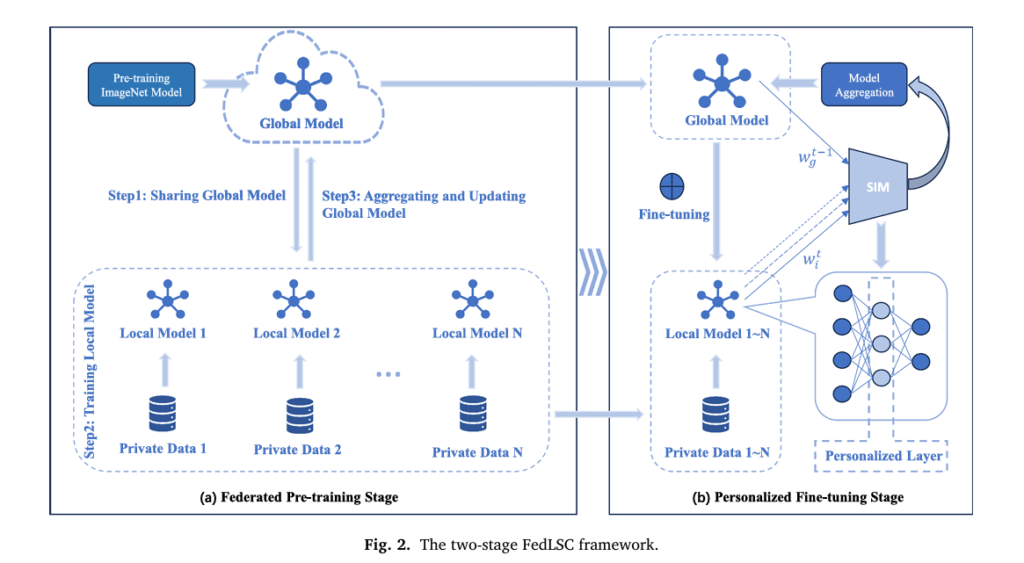
FedLSC: Federated Learning with Layer Similarity Comparison for Skin Cancer.

FedLSC: Federated Learning with Layer Similarity Comparison for Skin Cancer

Researchers at Southwest University built a two-stage federated learning framework that measures how similar different hospitals’ model updates are — layer by layer — then uses that similarity to allocate smarter aggregation weights and automatically pick which layers to keep…

FedLSC: Federated Learning with Layer Similarity Comparison for Skin Cancer Read More »