Generative & Diffusion Models

GANs, diffusion models, and the architectures behind modern generative AI. Research-grade explainers on how generative models learn, where they fail, and the design choices that separate state-of-the-art methods from the rest, each tied to the paper it came from.

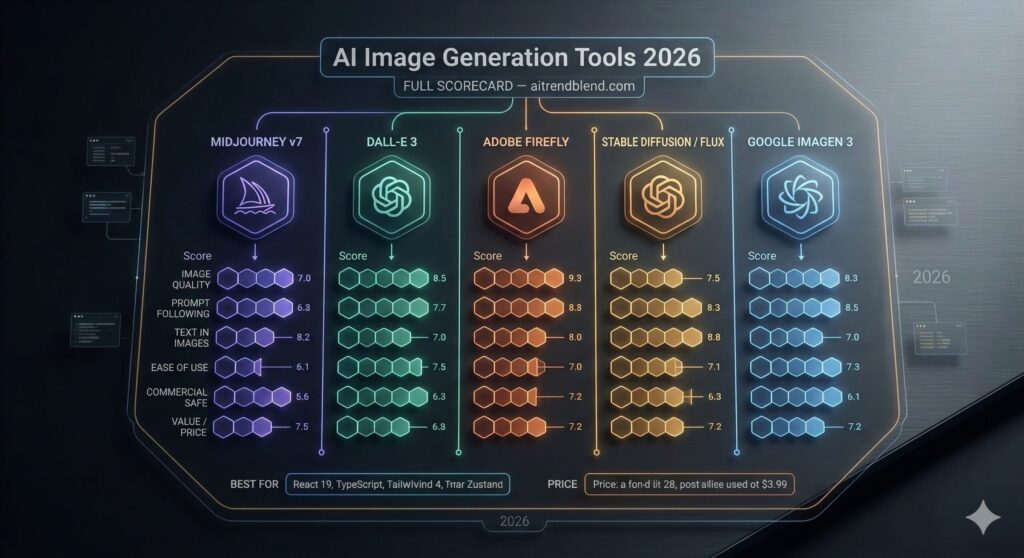
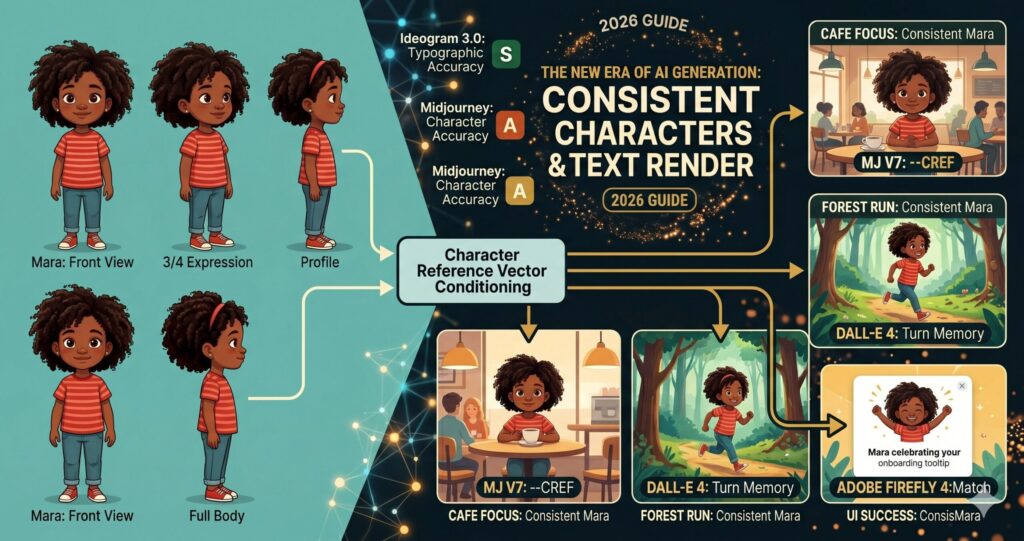
The New Era of Image Generation: Consistent Characters & Text That Renders (2026 Guide).

The New Era of Image Generation: Consistent Characters & Text That Renders (2026 Guide)

Two problems have frustrated AI image generators since the first public tools launched. The first: generate the same character twice and you get two different people. The second: ask a generator to put readable text in an image and you…

The New Era of Image Generation: Consistent Characters & Text That Renders (2026 Guide) Read More »
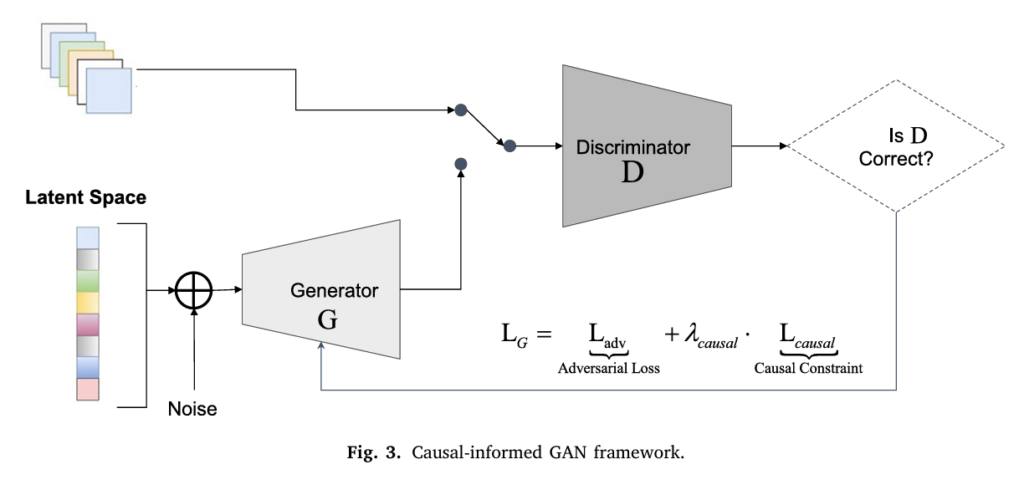
Causal-Informed GAN for Changeover Time Prediction in Customized Manufacturing.

Causal-Informed GAN for Changeover Time Prediction in Customized Manufacturing

A Carnegie Mellon team embedded causal inference directly into a Generative Adversarial Network to predict sequence-dependent changeover times for products the factory has never seen before — cutting production waste by up to 25% and finally making job-shop scheduling work…

Causal-Informed GAN for Changeover Time Prediction in Customized Manufacturing Read More »

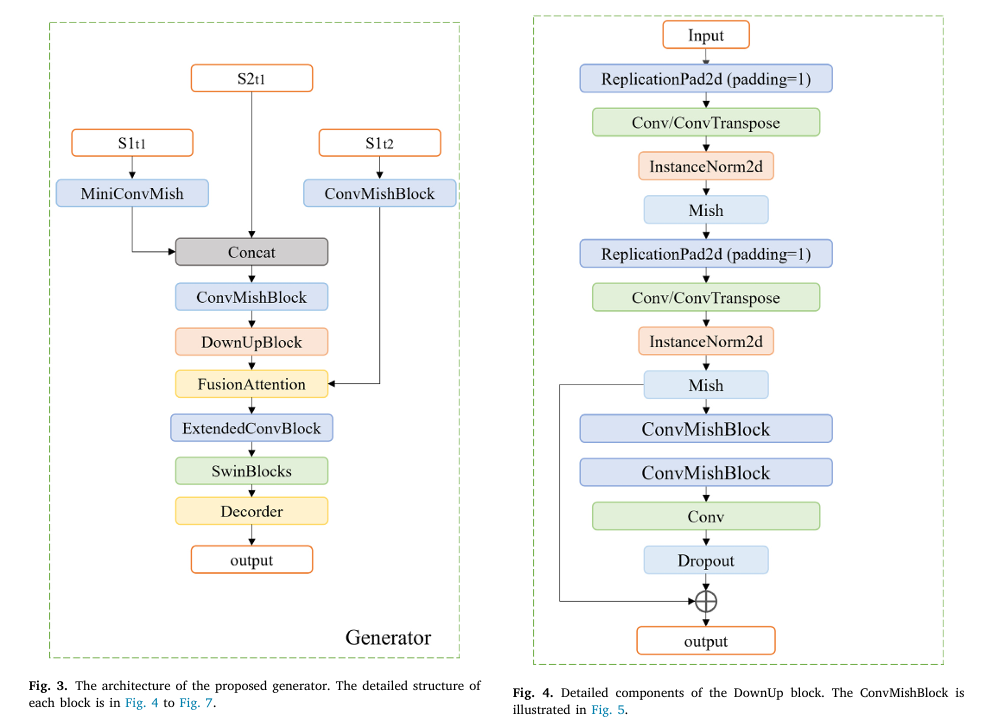
CRGenNet: Cloud-Free Optical Image Generation Using SAR and Contaminated Optical Data.

CRGenNet: Cloud-Free Optical Image Generation Using SAR and Contaminated Optical Data

Researchers at the University of Twente built an image generation network that does what every prior method refused to do — accept that your helper image might also be covered in clouds. CRGenNet fuses Sentinel-1 SAR radar data with contaminated…

CRGenNet: Cloud-Free Optical Image Generation Using SAR and Contaminated Optical Data Read More »

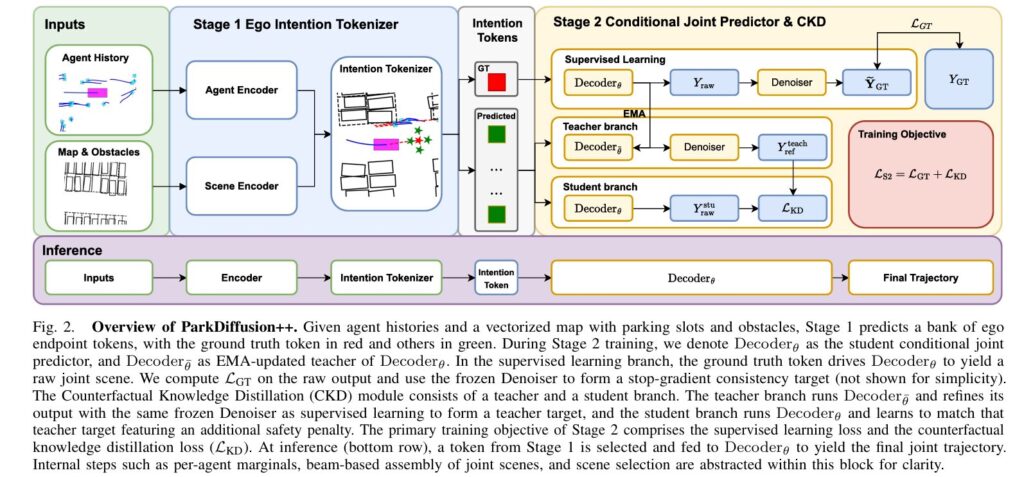
Overview of ParkDiffusion++.

ParkDiffusion++: The What-If Prediction Framework That Taught Parking Lots to Reason About Intentions

How a team from the University of Freiburg and CARIAD SE built a two-stage diffusion system that doesn’t just predict where vehicles will go—it asks “what if the ego vehicle chose differently?” and forecasts how every surrounding agent would react.

ParkDiffusion++: The What-If Prediction Framework That Taught Parking Lots to Reason About Intentions Read More »