Vision Transformers & Attention

Attention mechanisms, vision transformers, and the architectures replacing convolutions across vision tasks. We unpack how attention is used, misused, and reinvented in current research, from efficient attention branches to Mamba-style state space models.

The Moon's Many Faces: A Single Unified Transformer for Multimodal Lunar Reconstruction

The Moon’s Many Faces: A Single Unified Transformer for Multimodal Lunar Reconstruction

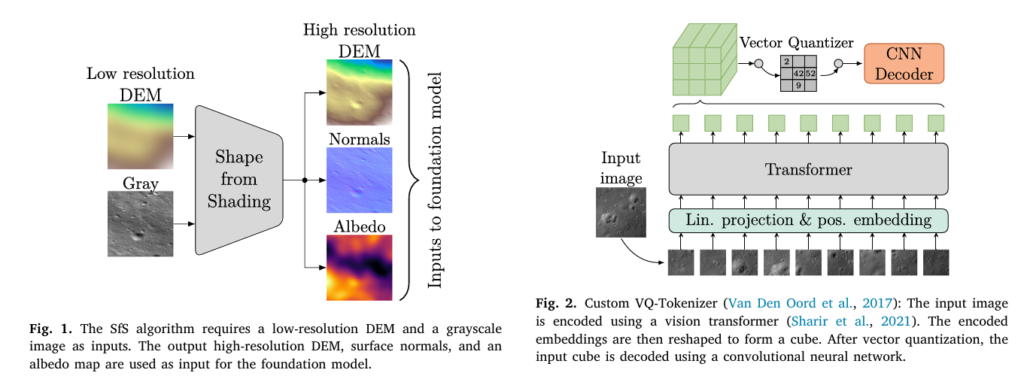
A team at TU Dortmund built a single 29.7-million-parameter foundation model that can translate any combination of lunar data — grayscale images, elevation maps, surface normals, and albedo — to any other, all in a single forward pass. The key…

The Moon’s Many Faces: A Single Unified Transformer for Multimodal Lunar Reconstruction Read More »
Fusion-Mamba: Hidden State Space Fusion for Cross-Modality Object Detection

Fusion-Mamba: Hidden State Space Fusion for Cross-Modality Object Detection

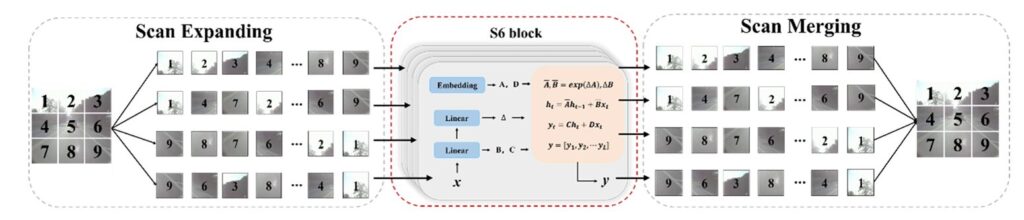
Researchers at Beihang University asked what happens when you stop treating cross-modal fusion as a spatial alignment problem and start treating it as a state-space modeling problem. The answer outperforms every transformer-based fusion method while running faster — by mapping…

Fusion-Mamba: Hidden State Space Fusion for Cross-Modality Object Detection Read More »

BGPANet: How Bi-Granular Progressive Attention Cracked the Skin Cancer Diagnosis Problem

BGPANet: How Bi-Granular Progressive Attention Cracked the Skin Cancer Diagnosis Problem

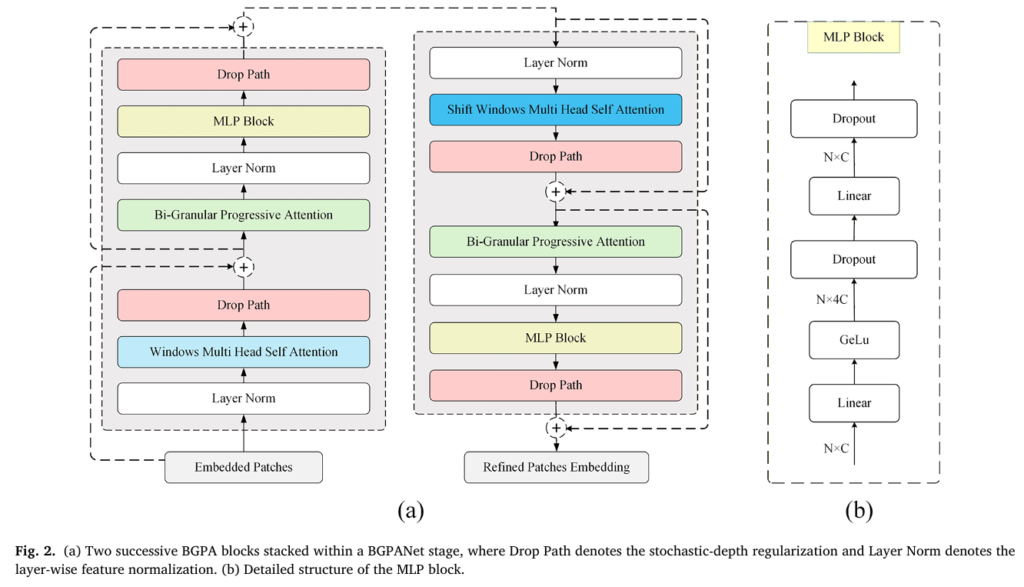
How a research team from Changchun University designed a network that mimics the “local-first, global-second” reasoning of expert clinicians — and in doing so, achieved state-of-the-art accuracy on two major skin cancer benchmarks while solving the imbalanced data problem that…

BGPANet: How Bi-Granular Progressive Attention Cracked the Skin Cancer Diagnosis Problem Read More »

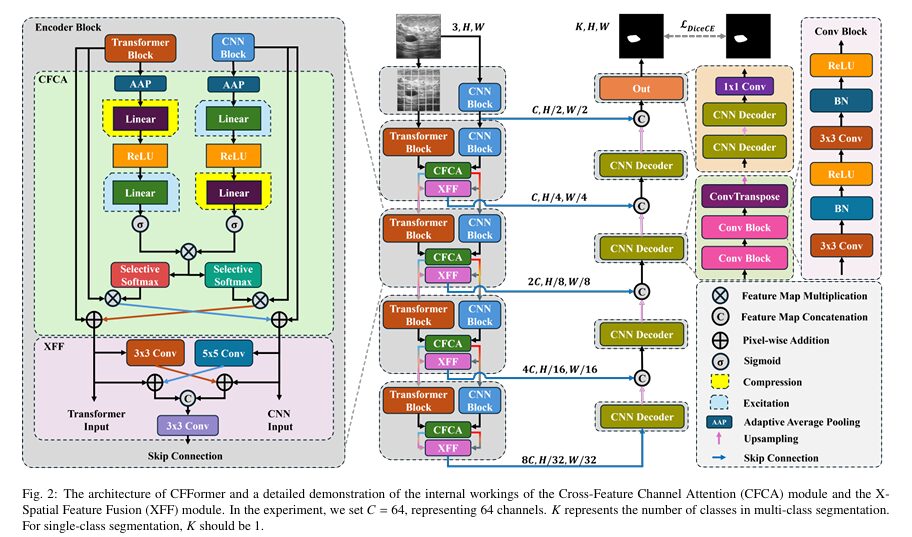
CFFormer: Cross CNN-Transformer Attention Model

CFFormer: How Cross CNN-Transformer Attention Finally Solves the Blurry Ultrasound Problem

Researchers at University of Nottingham Ningbo built a hybrid model that beats every state-of-the-art method across eight medical image datasets — not by stacking more layers or adding heavier attention, but by finally making CNN and Transformer encoders talk to…

CFFormer: How Cross CNN-Transformer Attention Finally Solves the Blurry Ultrasound Problem Read More »

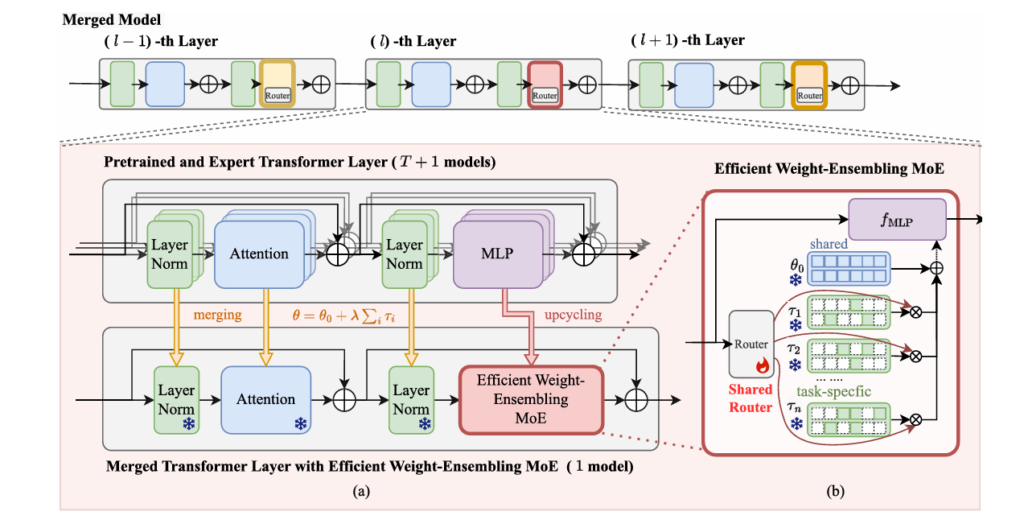
The WEMoE framework transforms critical MLP modules into dynamic mixture-of-experts structures while statically merging non-critical components. Input-dependent routing weights allow the model to adaptively blend task-specific knowledge, achieving superior multi-task performance over static merging methods.

WEMoE: How a Mixture-of-Experts Approach Is Solving the Multi-Task Model Merging Problem

WEMoE introduces a dynamic mixture-of-experts approach to multi-task model merging, transforming how we combine fine-tuned neural networks by routing inputs to task-specific experts rather than settling for one-size-fits-all parameter averages.

WEMoE: How a Mixture-of-Experts Approach Is Solving the Multi-Task Model Merging Problem Read More »

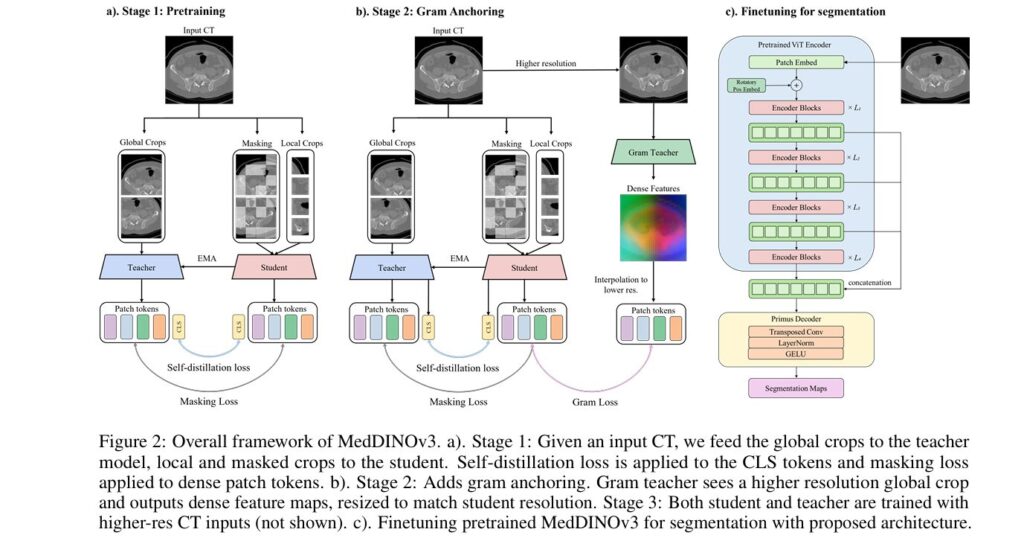
MedDINOv3: Revolutionizing Medical Image Segmentation with Adaptable Vision Foundation Models

MedDINOv3 Adapts A Vision Foundation Model For CT And MRI Segmentation

This article explains a published engineering paper about an automated image segmentation method. It is not medical advice, it does not diagnose anything, and it is not a substitute for a radiologist, a radiation oncologist, or a qualified clinician reviewing…

MedDINOv3 Adapts A Vision Foundation Model For CT And MRI Segmentation Read More »

Graph Attention Model for Cancer Survival Prediction

Graph Attention Fusion of Pathology Images and Gene Expression Predicts Cancer Survival

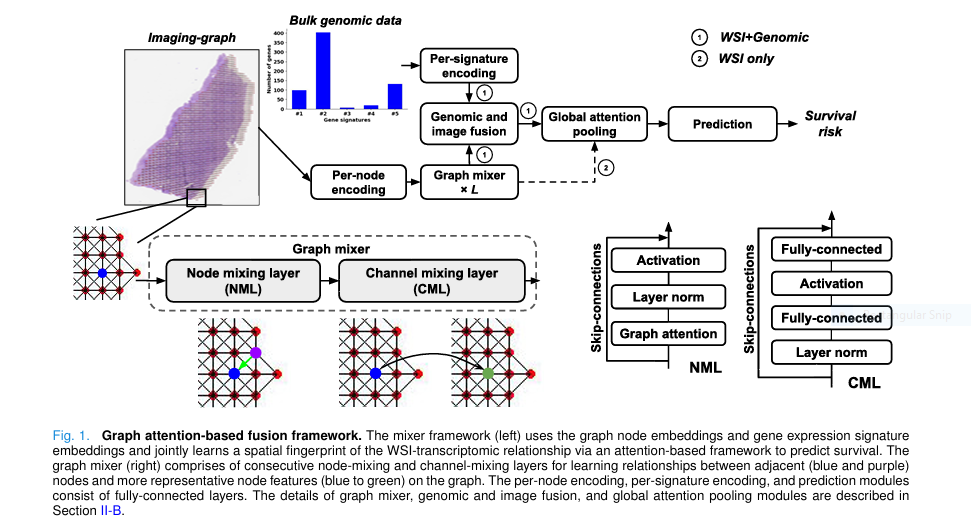
Predicting how a cancer patient’s disease will progress from a combination of pathology images and molecular data is a well established goal in computational pathology. The typical approach processes the whole slide image through one pipeline, processes the gene expression…

Graph Attention Fusion of Pathology Images and Gene Expression Predicts Cancer Survival Read More »