Generative & Diffusion Models

GANs, diffusion models, and the architectures behind modern generative AI. Research-grade explainers on how generative models learn, where they fail, and the design choices that separate state-of-the-art methods from the rest, each tied to the paper it came from.

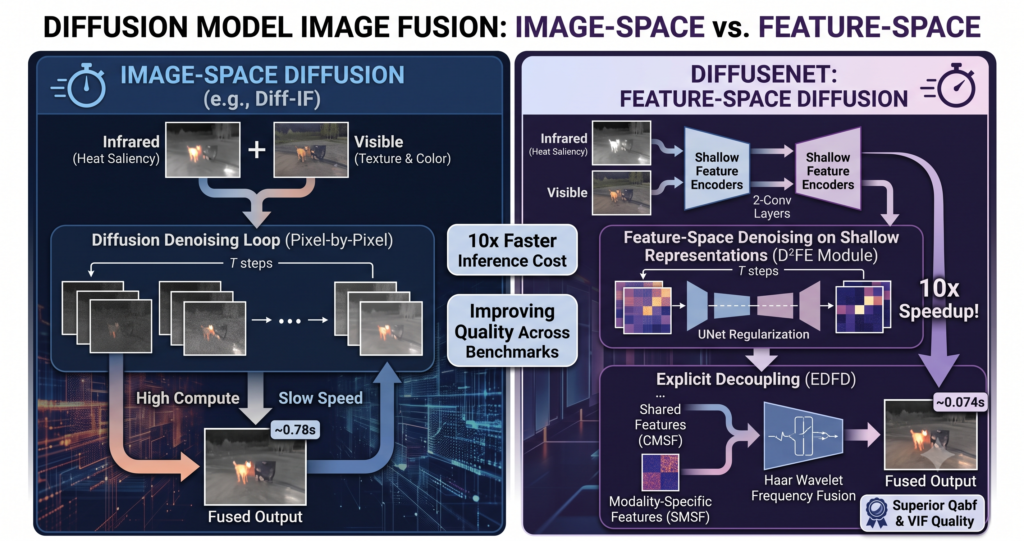
DiffFuseNet: Why Feature-Space Diffusion Beats Image-Space Diffusion for Infrared-Visible Fusion

DiffFuseNet: Why Feature-Space Diffusion Beats Image-Space Diffusion for Infrared-Visible Fusion

DiffFuseNet runs diffusion denoising on shallow encoded features instead of full images, making infrared-visible fusion roughly ten times faster than prior diffusion methods without sacrificing quality.
DiffFuseNet: Why Feature-Space Diffusion Beats Image-Space Diffusion for Infrared-Visible Fusion Read More »

Wasserstein Convergence Guarantees for Score-Based Generative Models.

Wasserstein Convergence Guarantees for Score-Based Generative Models

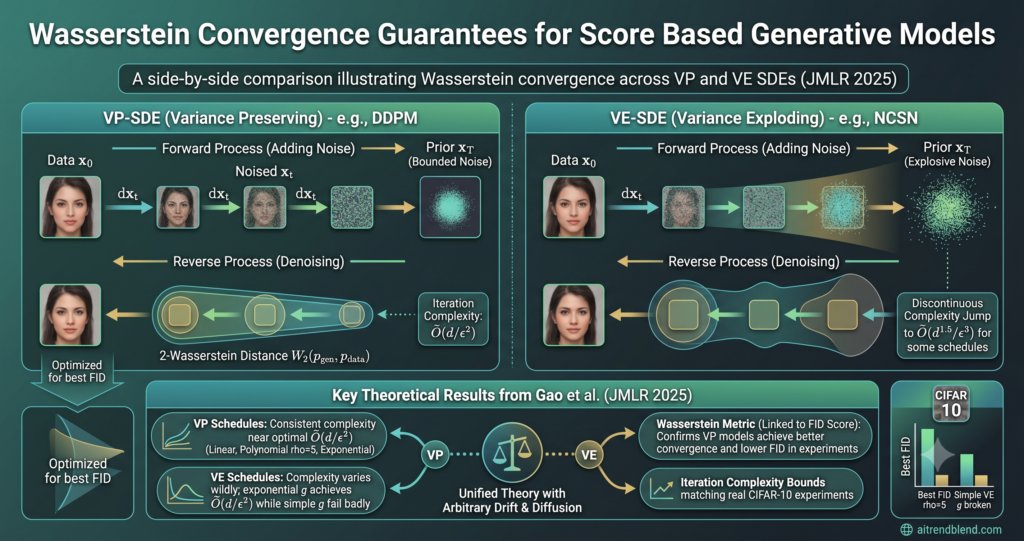
A research team from the Chinese University of Hong Kong and Florida State University has delivered the first unified convergence theory for a broad class of score based generative models in 2-Wasserstein distance, and it shows that the forward process…

Wasserstein Convergence Guarantees for Score-Based Generative Models Read More »

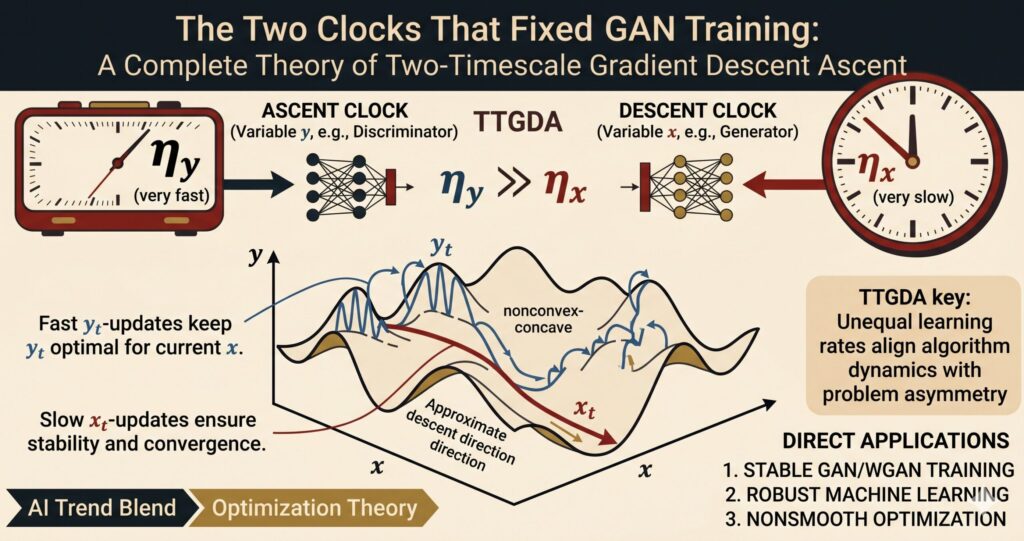
TTGDA: Two-Timescale Gradient Descent Ascent for Nonconvex Minimax Optimization.

TTGDA: Two-Timescale Gradient Descent Ascent for Nonconvex Minimax Optimization

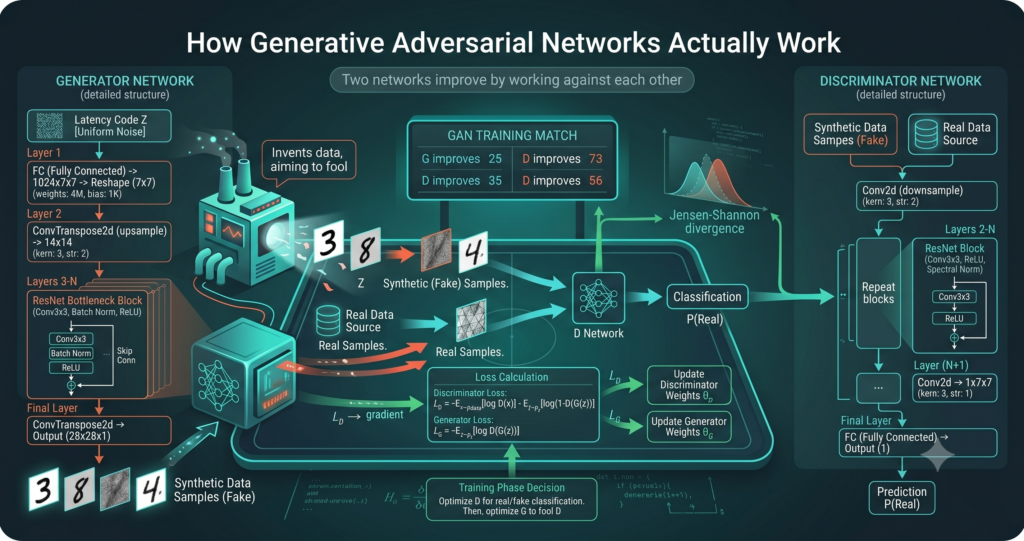
Tianyi Lin, Chi Jin, and Michael I. Jordan from Columbia, Princeton, and UC Berkeley deliver the first rigorous nonasymptotic analysis of two-timescale gradient descent ascent — the algorithm that has powered GAN training in practice for years — establishing tight…

TTGDA: Two-Timescale Gradient Descent Ascent for Nonconvex Minimax Optimization Read More »

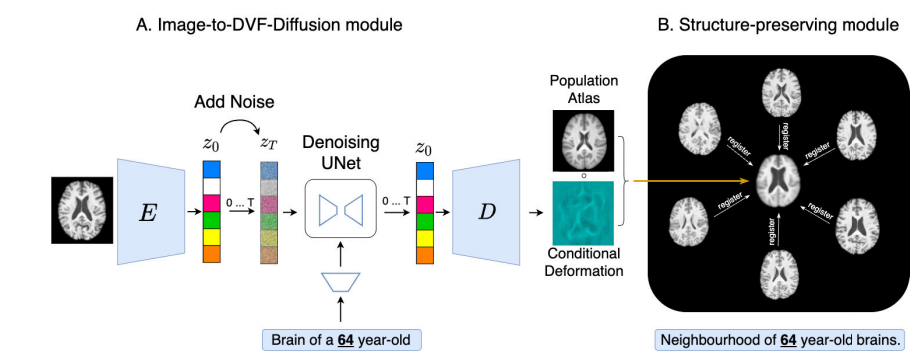
Diff-Def: Diffusion-Generated Deformation Fields for Conditional Brain Atlases.

Diff-Def: Diffusion-Generated Deformation Fields for Conditional Brain Atlases

Researchers from TU Munich and Imperial College London built a latent diffusion model that generates deformation fields — not intensities — to morph a general population brain atlas into condition-specific ones, producing sharper, more anatomically faithful, and fully interpretable atlases…

Diff-Def: Diffusion-Generated Deformation Fields for Conditional Brain Atlases Read More »

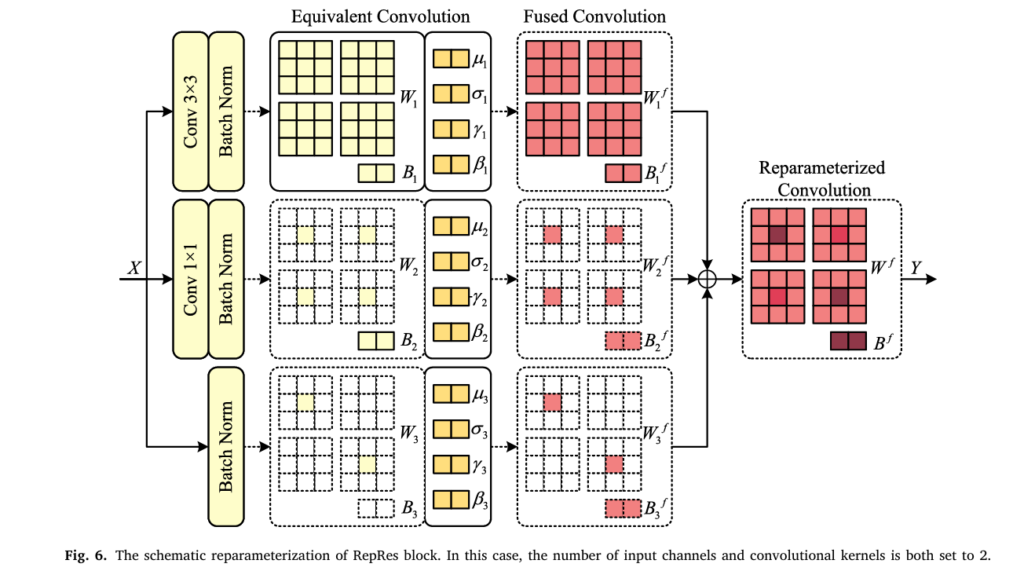
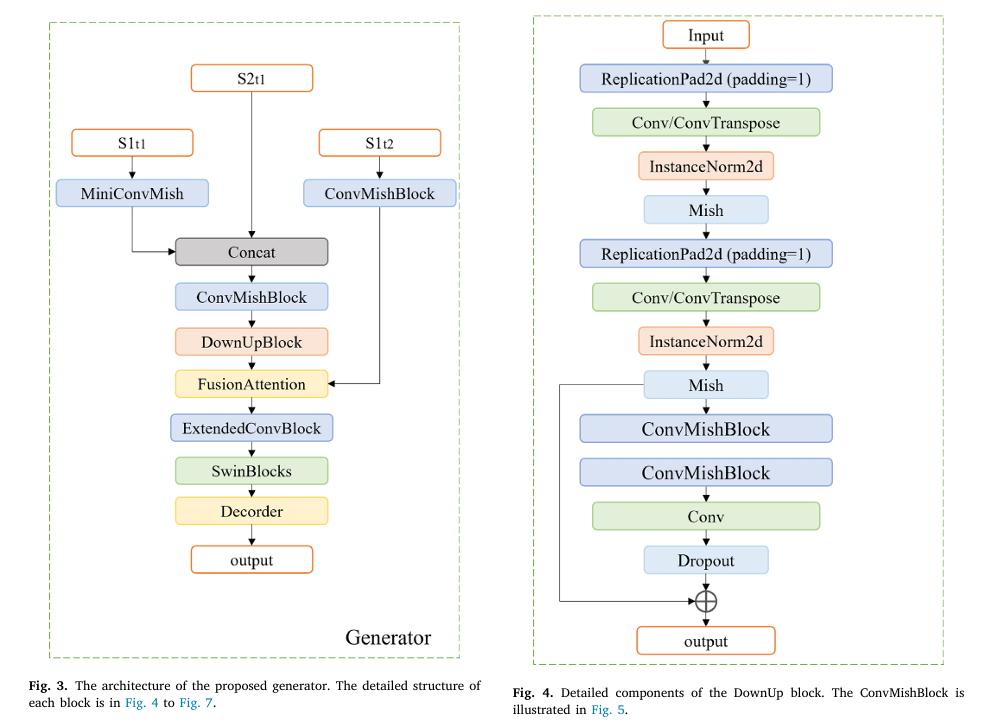
RepVIS-GAN: Nighttime Satellite Visible Image Retrieval from Infrared Data.

RepVIS-GAN: Nighttime Satellite Visible Image Retrieval from Infrared Data

Every night, weather satellites go partially blind — their visible cameras shut off the moment the sun dips below the horizon. Researchers at Ocean University of China built a reparameterized GAN that reads three thermal infrared channels and reconstructs what…

RepVIS-GAN: Nighttime Satellite Visible Image Retrieval from Infrared Data Read More »

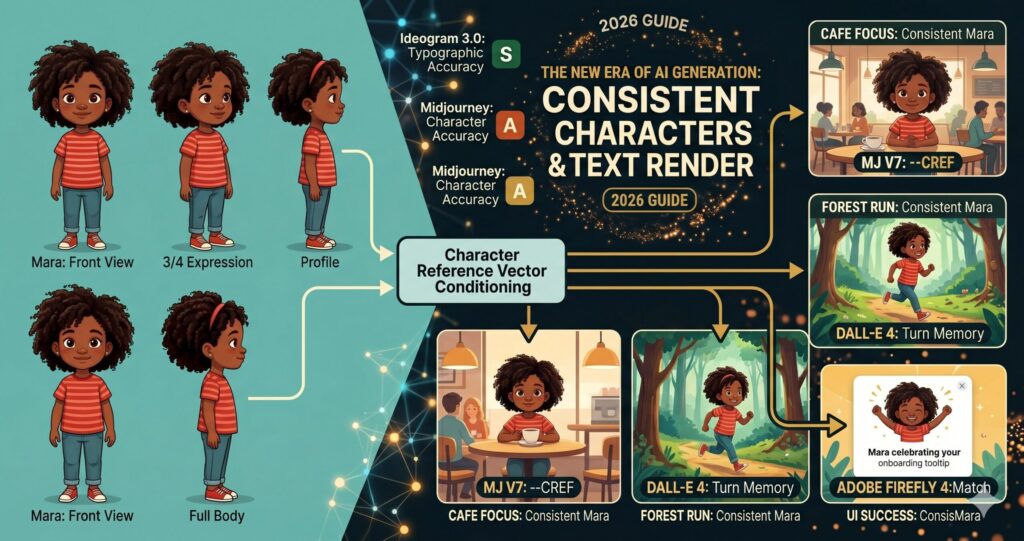
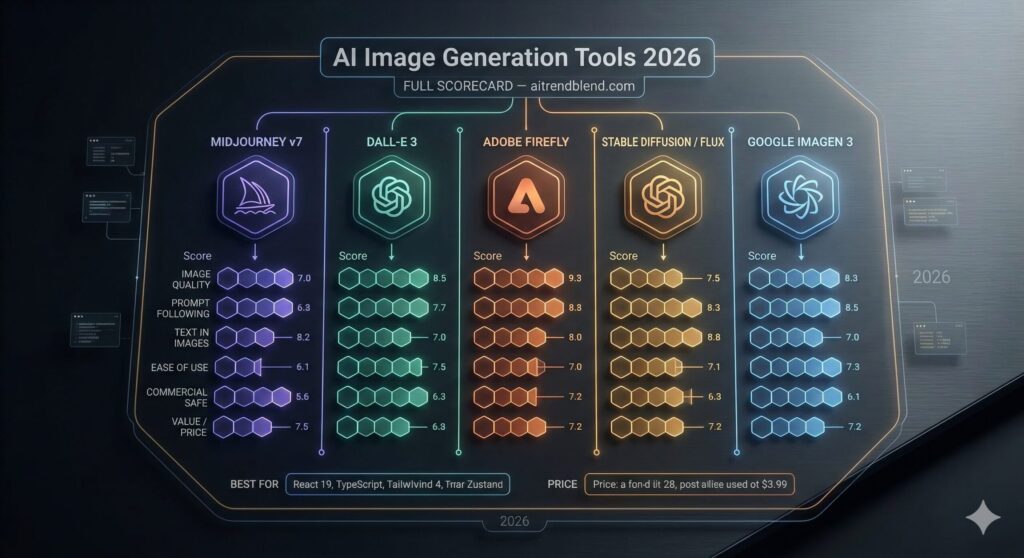
The New Era of Image Generation: Consistent Characters & Text That Renders (2026 Guide).

The New Era of Image Generation: Consistent Characters & Text That Renders (2026 Guide)

Two problems have frustrated AI image generators since the first public tools launched. The first: generate the same character twice and you get two different people. The second: ask a generator to put readable text in an image and you…

The New Era of Image Generation: Consistent Characters & Text That Renders (2026 Guide) Read More »

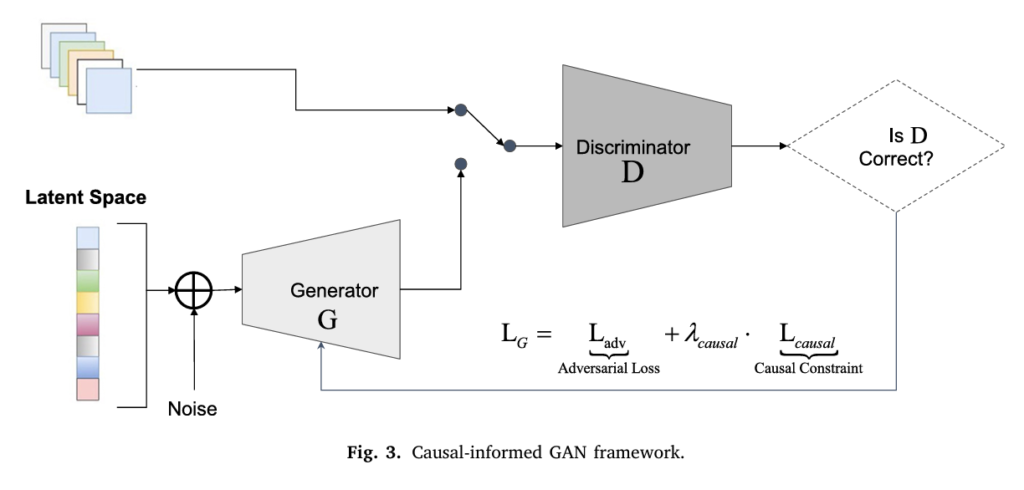
Causal-Informed GAN for Changeover Time Prediction in Customized Manufacturing.

Causal-Informed GAN for Changeover Time Prediction in Customized Manufacturing

A Carnegie Mellon team embedded causal inference directly into a Generative Adversarial Network to predict sequence-dependent changeover times for products the factory has never seen before — cutting production waste by up to 25% and finally making job-shop scheduling work…

Causal-Informed GAN for Changeover Time Prediction in Customized Manufacturing Read More »

CRGenNet: Cloud-Free Optical Image Generation Using SAR and Contaminated Optical Data.

CRGenNet: Cloud-Free Optical Image Generation Using SAR and Contaminated Optical Data

Researchers at the University of Twente built an image generation network that does what every prior method refused to do — accept that your helper image might also be covered in clouds. CRGenNet fuses Sentinel-1 SAR radar data with contaminated…

CRGenNet: Cloud-Free Optical Image Generation Using SAR and Contaminated Optical Data Read More »