Medical AI

Medical AI brings together our reporting on machine learning for clinical and biomedical problems, from diagnosis and prognosis to medical image analysis and decision support. Because mistakes in this domain carry a human cost, we pay close attention to evaluation, calibration, uncertainty, and the gap between benchmark numbers and bedside reliability. Expect grounded explainers of recent research rather than uncritical product announcements.

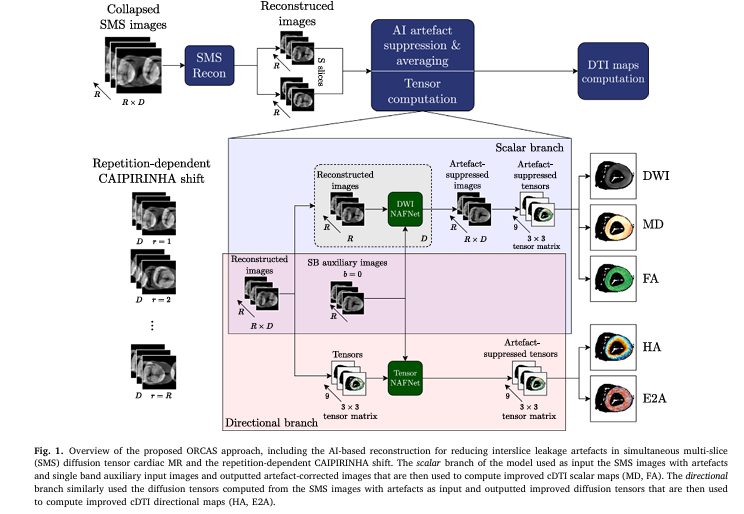
ORCAS Compressed a Two-Hour Heart Scan Into Seven Minutes — Without Losing What Matters.

ORCAS: How Variable CAIPIRINHA and Artefact-Aware AI Finally Made Whole-Heart Cardiac DTI Clinically Feasible

A team from Imperial College London, Royal Brompton Hospital, and TU Munich built a framework that combines variable CAIPIRINHA acquisition with artefact-aware dual-branch deep learning to achieve 18-fold acceleration in cardiac diffusion tensor imaging while cutting key biomarker errors by…
ORCAS: How Variable CAIPIRINHA and Artefact-Aware AI Finally Made Whole-Heart Cardiac DTI Clinically Feasible Read More »

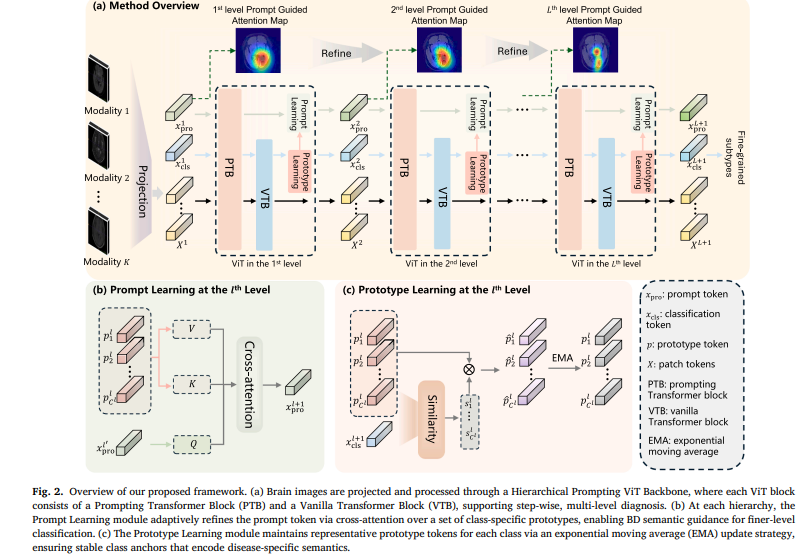
HP2L: How Hierarchical Prompt and Prototype Learning Finally Taught AI to Diagnose Brain Disorders Like a Radiologist.

HP2L: How Hierarchical Prompt and Prototype Learning Finally Taught AI to Diagnose Brain Disorders Like a Radiologist

A team from ShanghaiTech University, Henan Provincial People’s Hospital, and Shanghai United Imaging Intelligence built a hierarchical framework that classifies 23 brain disorders across three diagnostic levels, cuts the performance gap between coarse and fine-grained predictions to just 2%, and…

HP2L: How Hierarchical Prompt and Prototype Learning Finally Taught AI to Diagnose Brain Disorders Like a Radiologist Read More »

M2OTCA: How Multi-Magnification Optimal Transport Finally Made Whole Slide Image AI Work the Way Pathologists Think.

M2OTCA: How Multi-Magnification Optimal Transport Finally Made Whole Slide Image AI Work the Way Pathologists Think

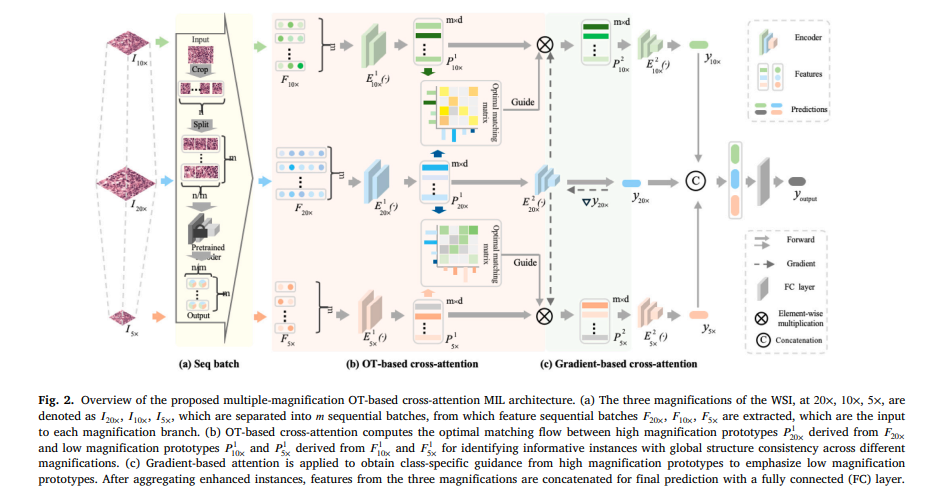
A team from Wuhan University of Science and Technology, Xiamen University, and the University of New South Wales built a multiple-magnification MIL framework that uses optimal transport to match tissue features across magnification levels, outperforming every tested baseline across four…

M2OTCA: How Multi-Magnification Optimal Transport Finally Made Whole Slide Image AI Work the Way Pathologists Think Read More »

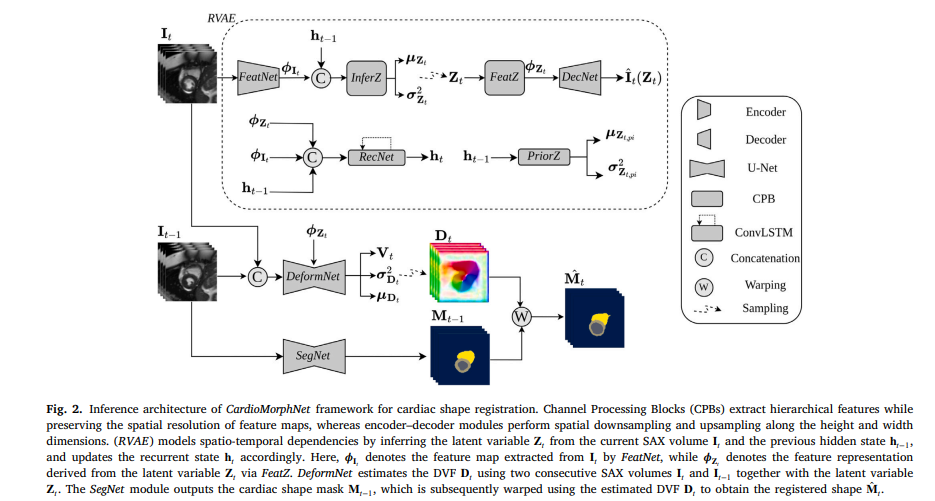
CardioMorphNet: Shape-Guided Bayesian Recurrent Deep Learning for 3D Cardiac Motion Estimation.

CardioMorphNet: Shape-Guided Bayesian Recurrent Deep Learning for 3D Cardiac Motion Estimation

Researchers at the University of Glasgow and the University of Manchester built a shape-guided Bayesian recurrent framework that estimates 3D cardiac motion from cine CMR images without relying on intensity-based image registration — and it outperforms every major method on…

CardioMorphNet: Shape-Guided Bayesian Recurrent Deep Learning for 3D Cardiac Motion Estimation Read More »

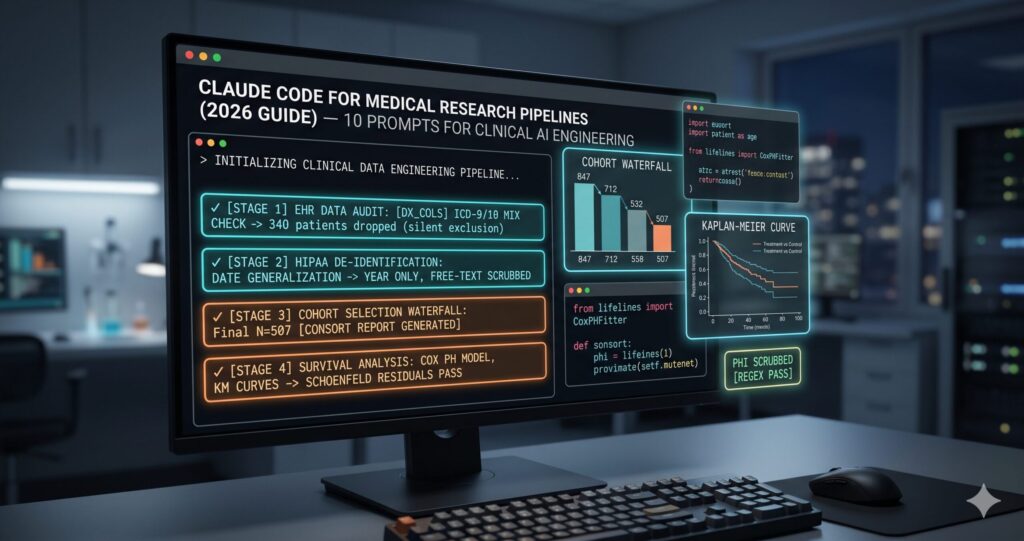
Claude Code for Medical Research Pipelines (2026 Guide) — 10 Prompts for Clinical AI Engineering.

Claude Code for Medical Research Pipelines (2026 Guide) — 10 Prompts for Clinical AI Engineering

Clinical data is unlike any other data an engineer works with. It arrives from systems designed for billing and care coordination, not analysis — which means inconsistent coding schemes, free-text fields where structured data should live, observation timestamps that reflect…

Claude Code for Medical Research Pipelines (2026 Guide) — 10 Prompts for Clinical AI Engineering Read More »

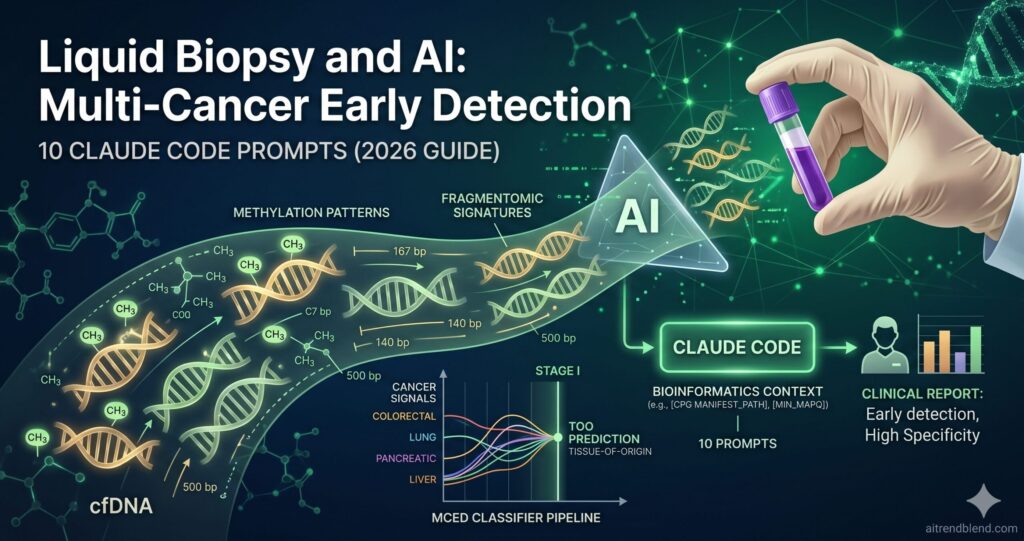
Liquid Biopsy and AI: Multi-Cancer Early Detection — 10 Claude Code Prompts (2026 Guide).

Liquid Biopsy and AI: Multi-Cancer Early Detection — 10 Claude Code Prompts (2026 Guide)

Liquid biopsy for multi-cancer early detection is one of the most consequential diagnostic innovations of the past decade — and one of the most computationally demanding. The signal you’re looking for is vanishingly small: at Stage I, circulating tumour DNA…

Liquid Biopsy and AI: Multi-Cancer Early Detection — 10 Claude Code Prompts (2026 Guide) Read More »

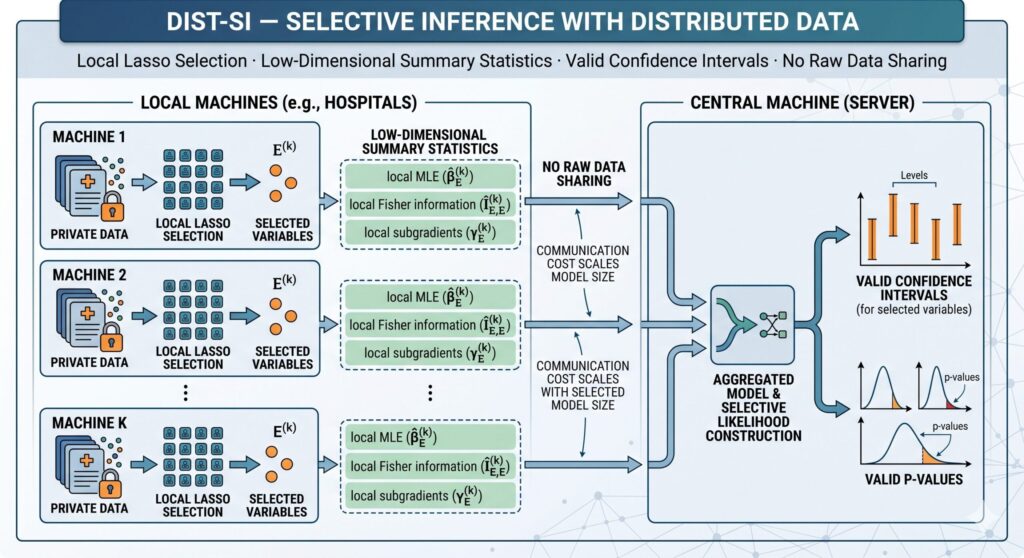
Dist-SI: Selective Inference with Distributed Data via Randomized Lasso.

Dist-SI: Selective Inference with Distributed Data via Randomized Lasso

Sifan Liu (Stanford) and Snigdha Panigrahi (University of Michigan) introduce Dist-SI — a procedure that lets distributed machines run lasso independently, share only tiny summary statistics with a central server, and still produce valid confidence intervals and p-values as if…

Dist-SI: Selective Inference with Distributed Data via Randomized Lasso Read More »

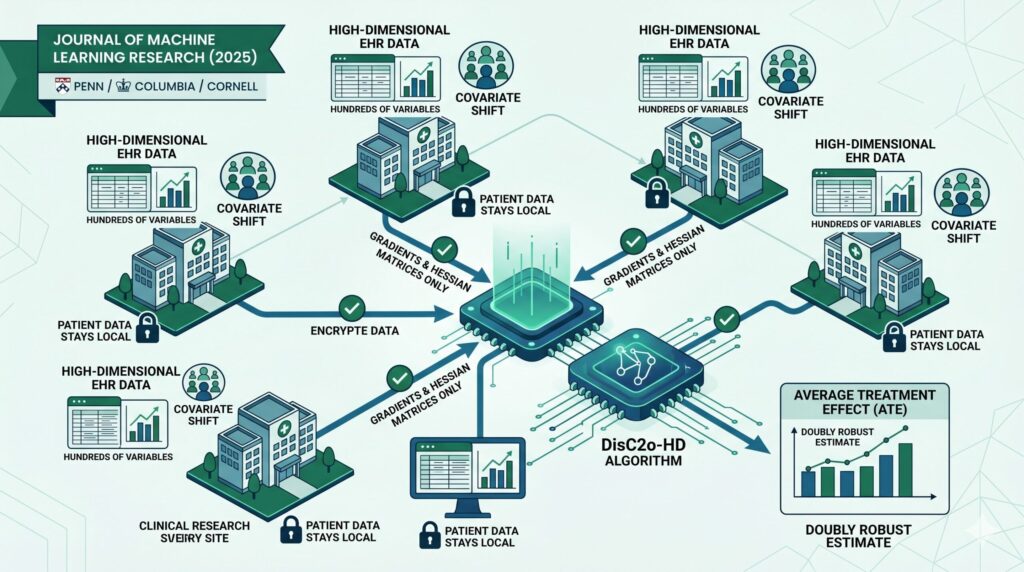
DisC2o-HD: Distributed Causal Inference with Covariate Shift for High-Dimensional Healthcare Data.

DisC2o-HD: Distributed Causal Inference with Covariate Shift for High-Dimensional Healthcare Data

A team from the University of Pennsylvania, Columbia University, and Cornell University has built a distributed algorithm that estimates causal treatment effects from high-dimensional electronic health records spread across multiple clinical sites — without ever sharing a single patient record…

DisC2o-HD: Distributed Causal Inference with Covariate Shift for High-Dimensional Healthcare Data Read More »

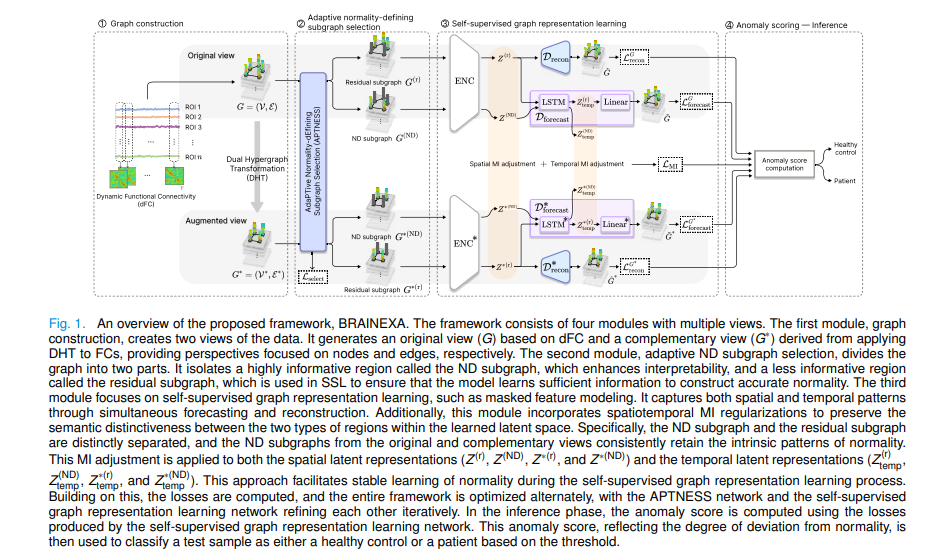
BRAINEXA: Explainable Normative Modeling Detects Brain Disorders from fMRI Without Label.

BRAINEXA: Explainable Normative Modeling Detects Brain Disorders from fMRI Without Label

Korea University researchers built BRAINEXA, an unsupervised normative modeling framework that learns the spatiotemporal fingerprint of healthy brain connectivity from resting-state fMRI, then detects MDD, ASD, ADHD, and Alzheimer’s by measuring deviations — no diagnostic labels required during training, and…

BRAINEXA: Explainable Normative Modeling Detects Brain Disorders from fMRI Without Label Read More »