Knowledge Distillation

Knowledge distillation is how a small, fast model learns to behave like a large, accurate one, keeping most of the quality while shedding the cost of running it. This category collects plain language breakdowns of the research that moves the field forward, from the classic KL divergence losses through newer token level and ranking based objectives. Every analysis explains the core idea, the math that makes it work, and the limitations the authors are honest about, and most ship with runnable code you can drop straight into your own training pipeline. It is built for practitioners who want to understand a method well enough to use it, not just cite it.

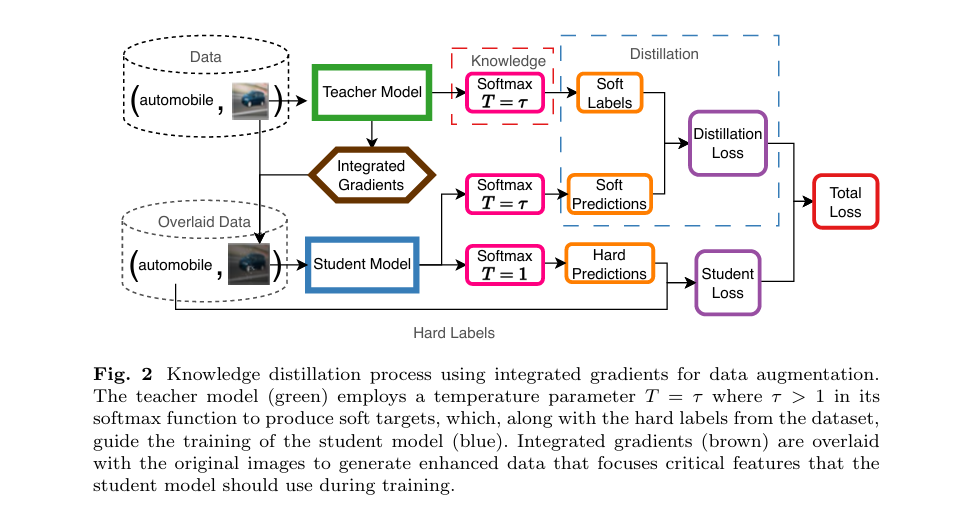
Integrated Gradients BOOST Knowledge Distillation

Knowledge Distillation Meets Integrated Gradients: A Smarter Way to Compress Neural Networks

Imagine watching someone take an expert’s detailed reasoning, strip out everything except the most important cues, and hand those cues to a student who has never seen the full picture. That is roughly what a team from National Cheng Kung…
Knowledge Distillation Meets Integrated Gradients: A Smarter Way to Compress Neural Networks Read More »

knowledge distillation model for medical diagnosis

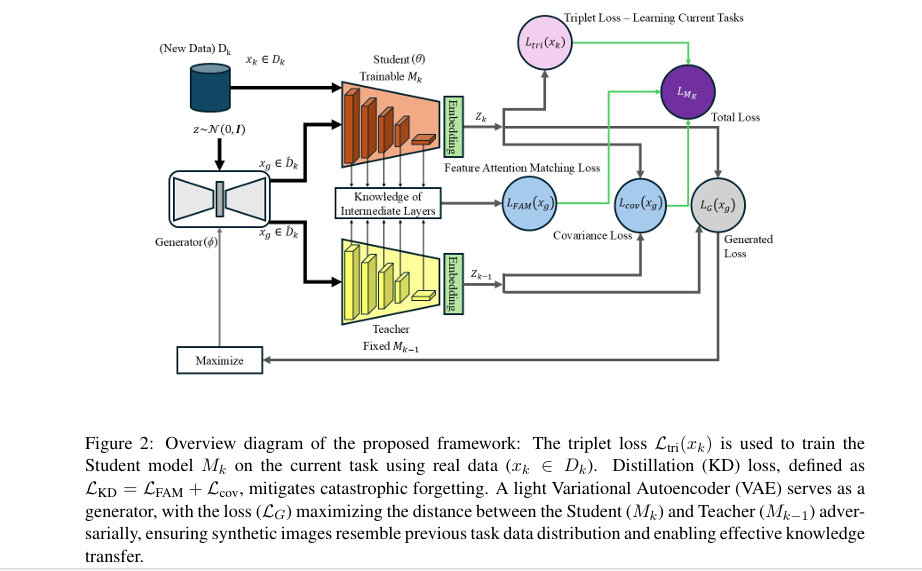
Incremental Learning for Medical AI — How Knowledge Distillation Stops Prostate MRI Models from Forgetting

Anyone who has worked on deep learning in healthcare quickly discovers that the academic benchmark setting — one big dataset, one train-test split, one model — rarely survives contact with the real world. Hospital systems accumulate data incrementally. Different sites…

Incremental Learning for Medical AI — How Knowledge Distillation Stops Prostate MRI Models from Forgetting Read More »

UMKD — a revolutionary AI framework for disease grading

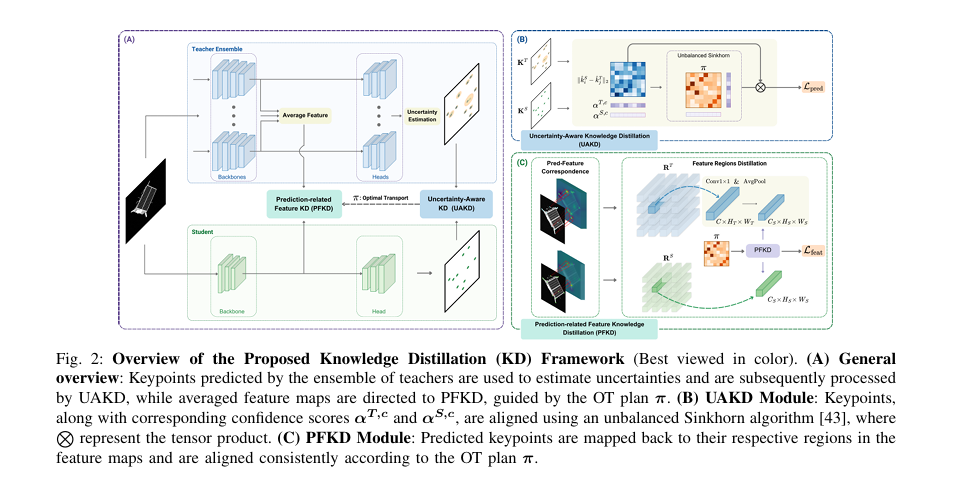
Uncertainty Aware Knowledge Distillation for Imbalanced Disease Grading

Gleason grading, the system pathologists use to score prostate cancer aggressiveness from tissue samples, has a documented interobserver variability of about 40 percent among trained pathologists looking at the same slide. That number alone tells you the task is genuinely…

Uncertainty Aware Knowledge Distillation for Imbalanced Disease Grading Read More »

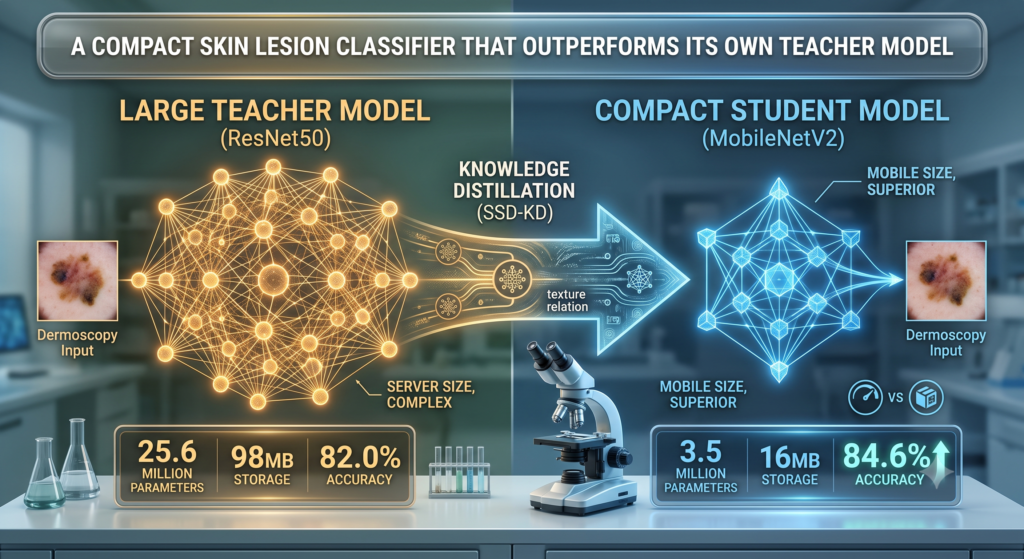
SSD-KD: A Compact Skin Lesion Classifier That Outperforms Its Own Teacher Model

SSD-KD: A Compact Skin Lesion Classifier That Outperforms Its Own Teacher Model

Skin cancer detection has become one of the clearer success stories for deep learning in medicine, with models trained on large dermoscopy image collections repeatedly matching or approaching dermatologist level accuracy on benchmark datasets. The catch is that the models…

SSD-KD: A Compact Skin Lesion Classifier That Outperforms Its Own Teacher Model Read More »