Image Segmentation

Image segmentation is the task of labeling an image at the pixel level, and it underpins much of modern medical imaging, autonomous perception, and scene understanding. Here we break down segmentation architectures, loss functions, and evaluation practices, with frequent attention to the medical settings where boundary accuracy and robustness matter most. Each piece traces the method back to its source research.

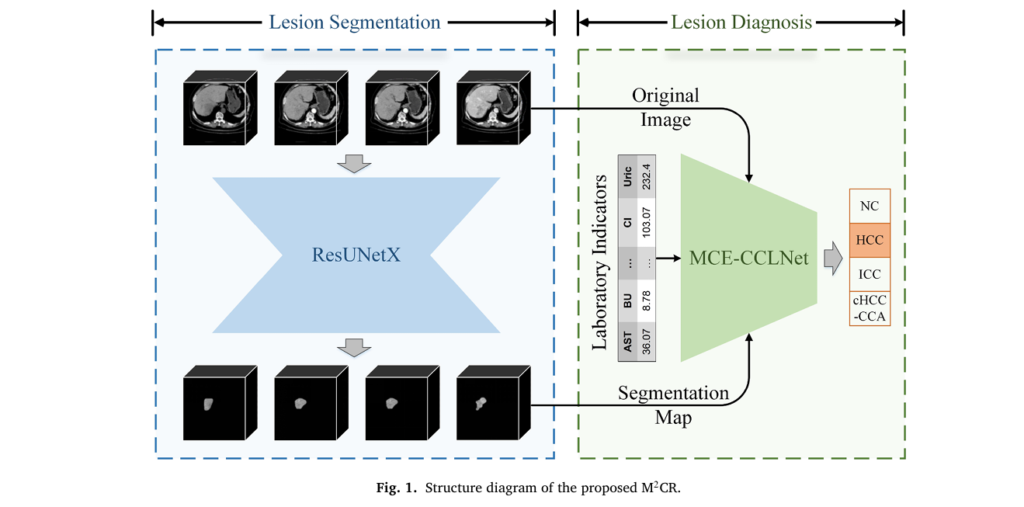
M2CR: Revolutionizing Primary Liver Cancer Diagnosis with AI-Powered Multimodal Analysis

M2CR: Revolutionizing Primary Liver Cancer Diagnosis with AI-Powered Multimodal Analysis

Primary liver cancer stands as the third leading cause of cancer-related deaths worldwide, claiming hundreds of thousands of lives annually. Despite advances in medical imaging, diagnosing the three distinct subtypes—hepatocellular carcinoma (HCC), intrahepatic cholangiocarcinoma (ICC), and the rare combined hepatocellular-cholangiocarcinoma…

M2CR: Revolutionizing Primary Liver Cancer Diagnosis with AI-Powered Multimodal Analysis Read More »
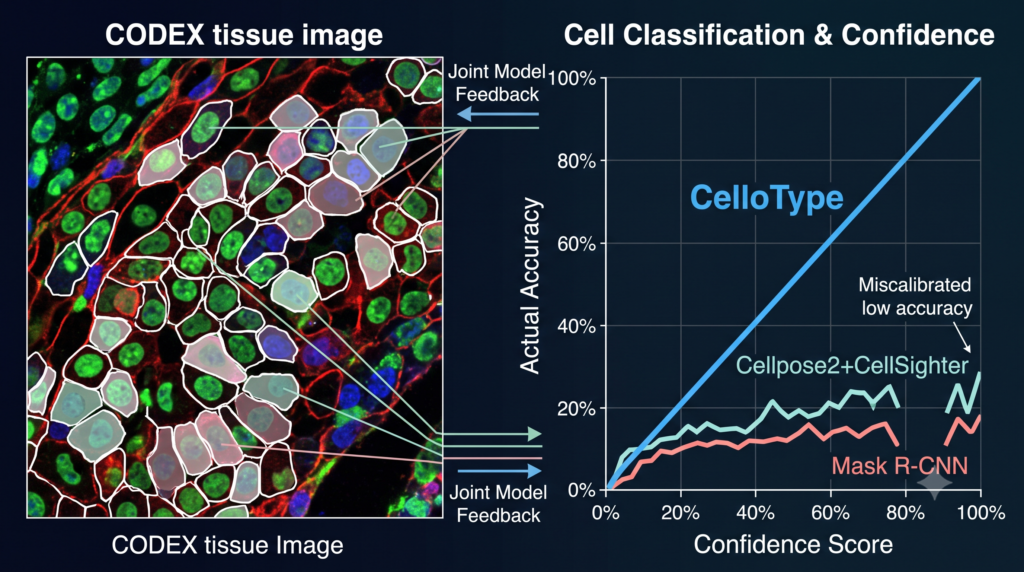
A Single Model for Cell Segmentation and Classification Finally Gets Confidence Scores Right

This article explains a published computational biology paper. CelloType is a research tool for analyzing tissue images in spatial omics experiments, it is not a diagnostic device and is not used to make decisions about an individual patient’s care. Any…

A Single Model for Cell Segmentation and Classification Finally Gets Confidence Scores Right Read More »

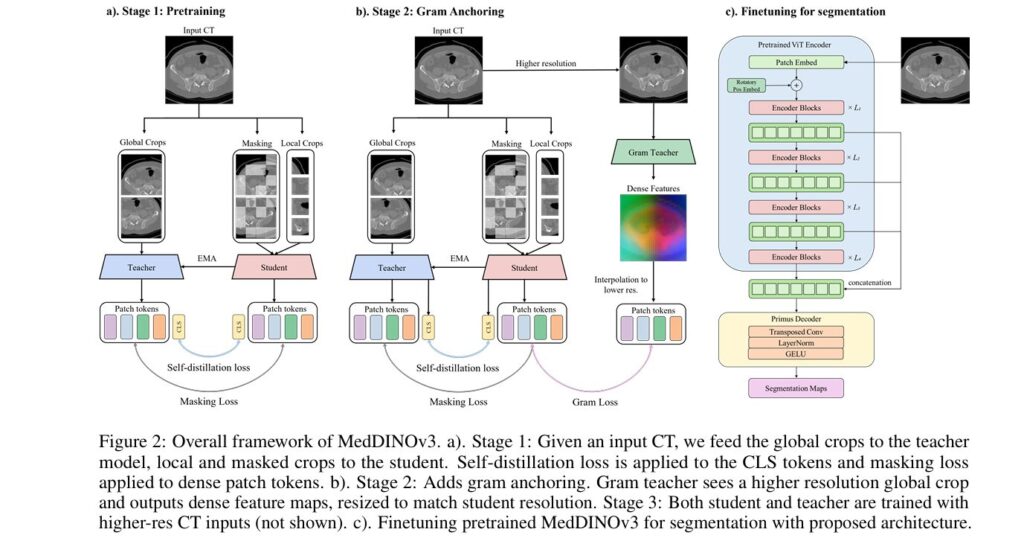
MedDINOv3: Revolutionizing Medical Image Segmentation with Adaptable Vision Foundation Models

MedDINOv3 Adapts A Vision Foundation Model For CT And MRI Segmentation

This article explains a published engineering paper about an automated image segmentation method. It is not medical advice, it does not diagnose anything, and it is not a substitute for a radiologist, a radiation oncologist, or a qualified clinician reviewing…

MedDINOv3 Adapts A Vision Foundation Model For CT And MRI Segmentation Read More »