Medical AI

Medical AI brings together our reporting on machine learning for clinical and biomedical problems, from diagnosis and prognosis to medical image analysis and decision support. Because mistakes in this domain carry a human cost, we pay close attention to evaluation, calibration, uncertainty, and the gap between benchmark numbers and bedside reliability. Expect grounded explainers of recent research rather than uncritical product announcements.

Proposed DSCA NET for image Segmentation

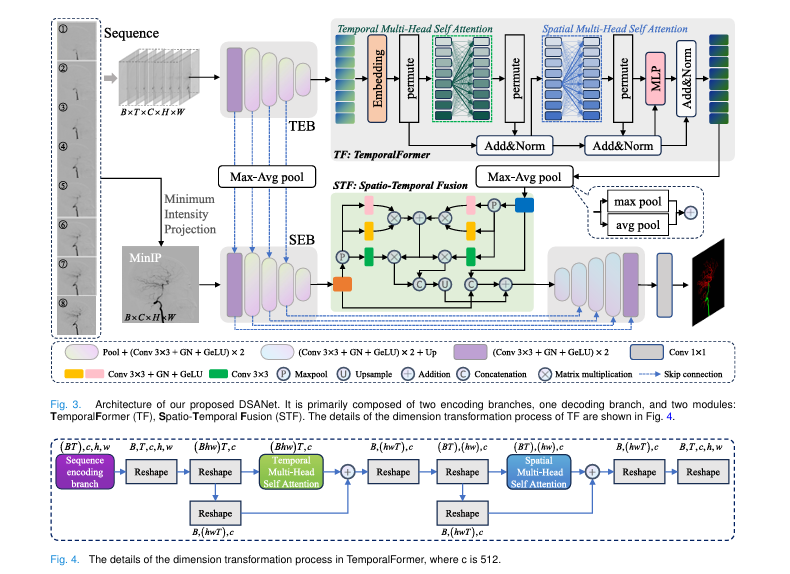
DSANET Uses Full DSA Sequences to Segment Cerebral Arteries

Cerebrovascular diseases, stroke, moyamoya disease, and cerebral aneurysms among them, remain a major cause of death and disability, and diagnosing them accurately depends on understanding the geometry of the cerebral arteries. Digital subtraction angiography, often shortened to DSA, is the…

DSANET Uses Full DSA Sequences to Segment Cerebral Arteries Read More »

knowledge distillation model for medical diagnosis

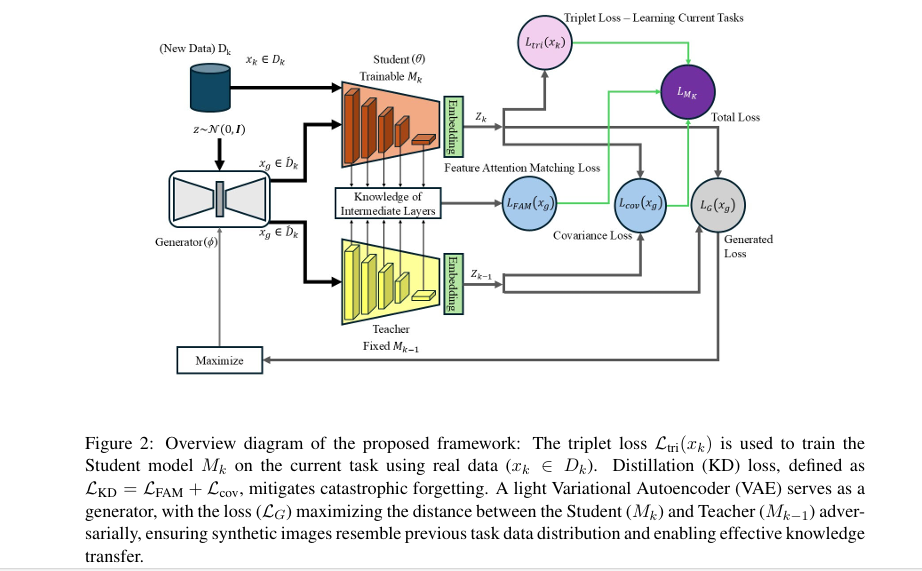
Incremental Learning for Medical AI — How Knowledge Distillation Stops Prostate MRI Models from Forgetting

Anyone who has worked on deep learning in healthcare quickly discovers that the academic benchmark setting — one big dataset, one train-test split, one model — rarely survives contact with the real world. Hospital systems accumulate data incrementally. Different sites…

Incremental Learning for Medical AI — How Knowledge Distillation Stops Prostate MRI Models from Forgetting Read More »

UMKD — a revolutionary AI framework for disease grading

Uncertainty Aware Knowledge Distillation for Imbalanced Disease Grading

Gleason grading, the system pathologists use to score prostate cancer aggressiveness from tissue samples, has a documented interobserver variability of about 40 percent among trained pathologists looking at the same slide. That number alone tells you the task is genuinely…

Uncertainty Aware Knowledge Distillation for Imbalanced Disease Grading Read More »

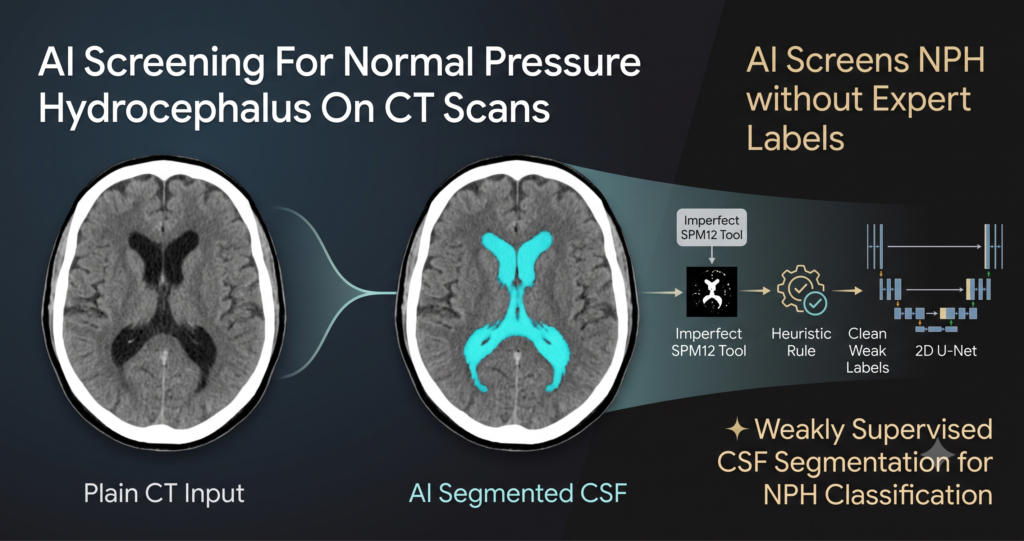
Weakly Supervised AI for Normal Pressure Hydrocephalus (NPH) Screening on CT Scans

Weakly Supervised AI for Normal Pressure Hydrocephalus (NPH) Screening on CT Scans

Normal pressure hydrocephalus, usually shortened to NPH, shows up mostly in older adults as a triad of gait impairment, urinary incontinence, and cognitive decline, caused by cerebrospinal fluid building up in the brain’s ventricular system. What makes it clinically important,…

Weakly Supervised AI for Normal Pressure Hydrocephalus (NPH) Screening on CT Scans Read More »