Machine Learning

Machine learning sits at the core of everything we cover at AI Trend Blend. This section gathers our research breakdowns, method explainers, and practical analyses across supervised, self-supervised, and generative learning, with a steady focus on the ideas that actually move results rather than the noise around them. You will find work spanning optimization, model architectures, training dynamics, and the theory that explains why modern systems behave the way they do, written for readers who want depth without filler.

Adaptive Client Sampling in Federated Learning via Online Learning with Bandit Feedback.

Adaptive Client Sampling in Federated Learning via Online Learning with Bandit Feedback

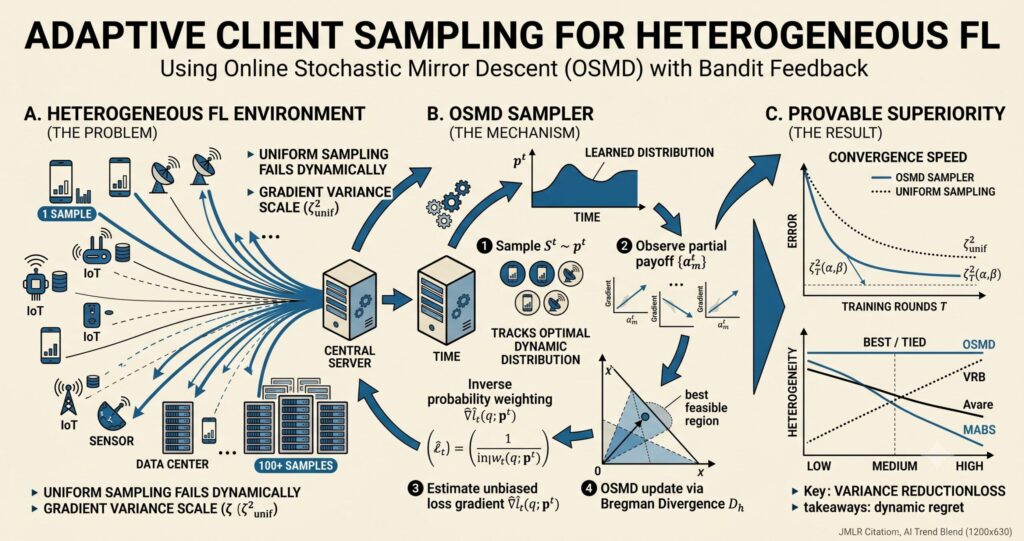
A multi-institution team from the University of Chicago, NJIT, Ant Financial, Zhejiang University, and USC cast client selection as a non-stationary online learning problem — and built an adaptive sampler that provably beats uniform sampling by reducing the gradient variance…

Adaptive Client Sampling in Federated Learning via Online Learning with Bandit Feedback Read More »
Memory Gym: Endless Tasks to Benchmark Memory Capabilities of Agents

Memory Gym: Endless Tasks to Benchmark Memory Capabilities of Agents

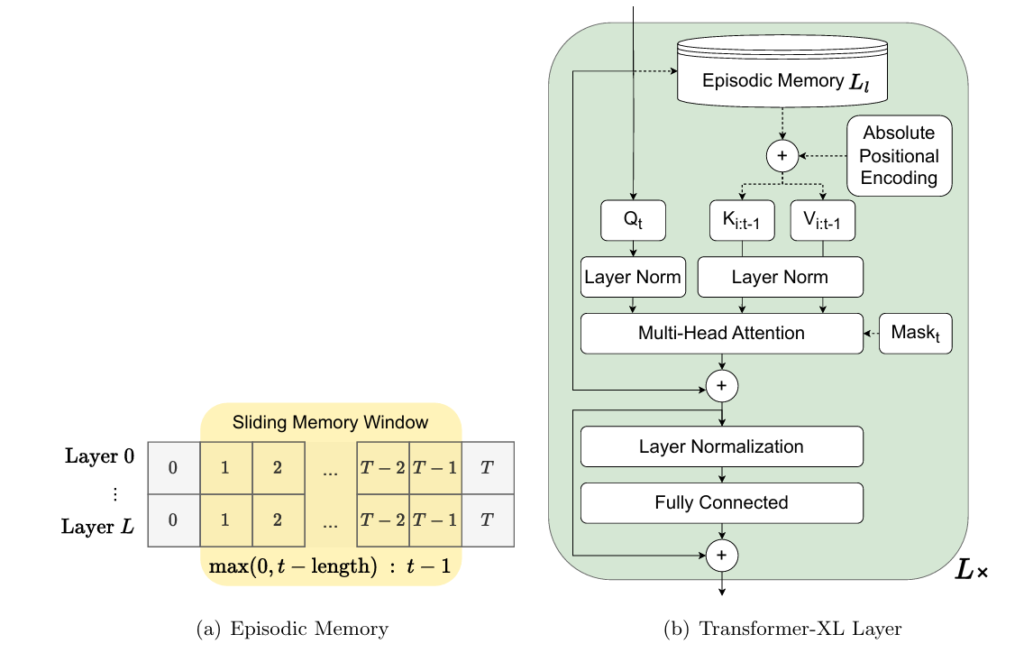
A team from TU Dortmund and Universiteit Leiden transformed three 2D partially observable environments into theoretically infinite challenges — and discovered that GRU, a decade-old recurrent cell, consistently and decisively beats Transformer-XL at sustaining memory over long, escalating horizons.

Memory Gym: Endless Tasks to Benchmark Memory Capabilities of Agents Read More »

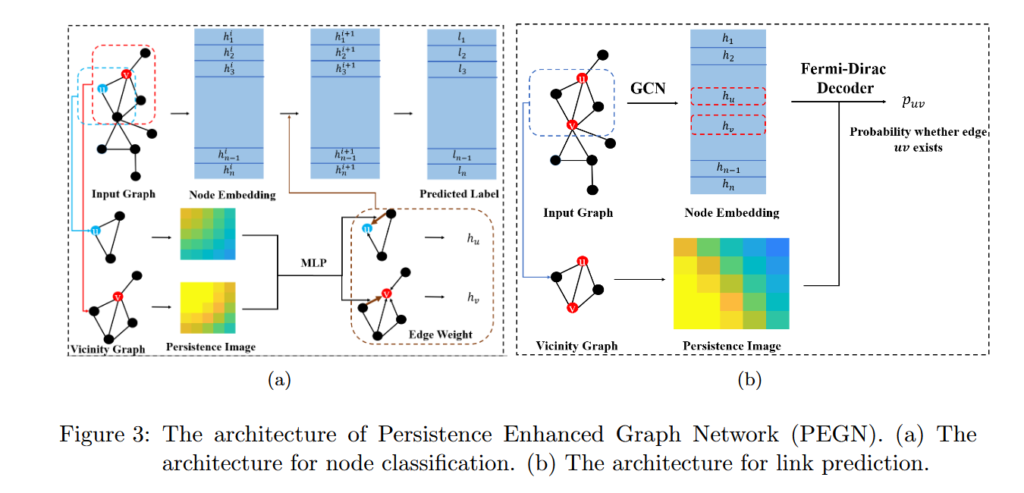
PEGN: How Persistent Homology Breaks the WL Barrier in Graph Neural Networks.

PEGN: How Persistent Homology Breaks the WL Barrier in Graph Neural Networks

A multi-institution team spanning Peking University, UC San Diego, Stony Brook University, and Weill Cornell Medicine built PEGN — a framework that injects localized topological features from extended persistent homology into graph neural networks, pushing expressiveness beyond the 3-WL barrier…

PEGN: How Persistent Homology Breaks the WL Barrier in Graph Neural Networks Read More »

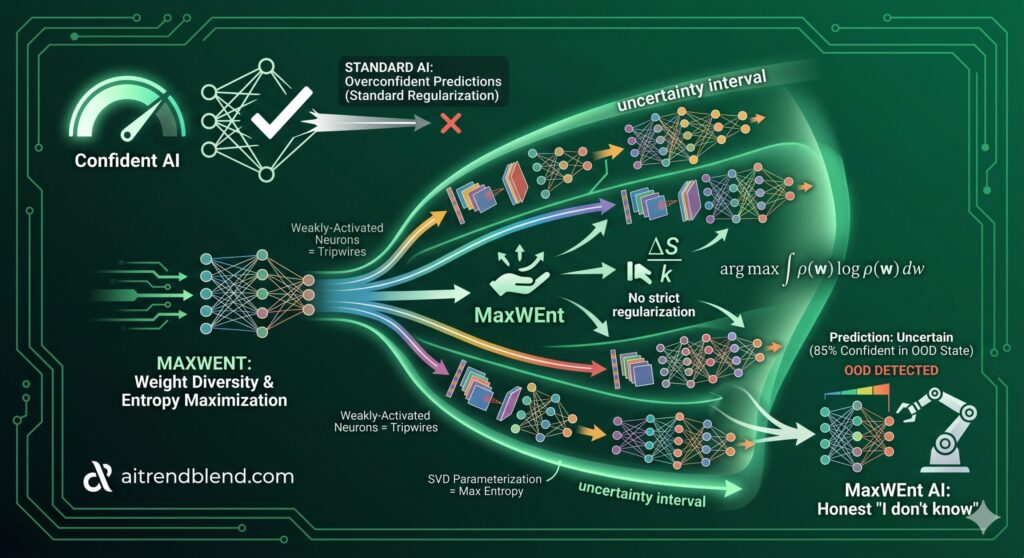
Why Your AI Says It's Confident When It Shouldn't Be — And How MaxWEnt Fixes It.

Why Your AI Says It’s Confident When It Shouldn’t Be — And How MaxWEnt Fixes It

Researchers from Michelin and the Centre Borelli at ENS Paris-Saclay have built a smarter way to make neural networks say “I don’t know” — by maximizing the diversity of possible network weights rather than relying on standard regularization that quietly…

Why Your AI Says It’s Confident When It Shouldn’t Be — And How MaxWEnt Fixes It Read More »

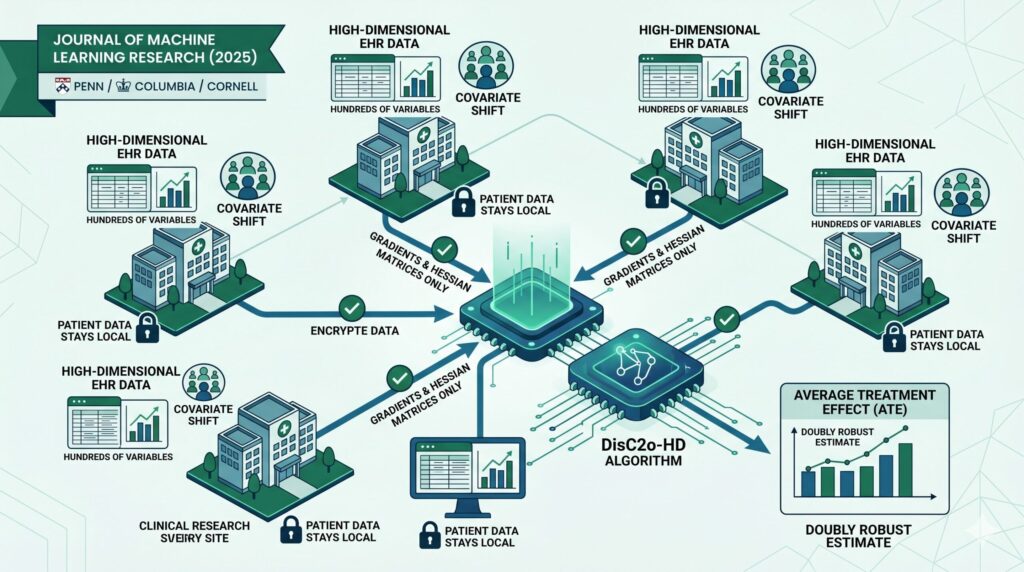
DisC2o-HD: Distributed Causal Inference with Covariate Shift for High-Dimensional Healthcare Data.

DisC2o-HD: Distributed Causal Inference with Covariate Shift for High-Dimensional Healthcare Data

A team from the University of Pennsylvania, Columbia University, and Cornell University has built a distributed algorithm that estimates causal treatment effects from high-dimensional electronic health records spread across multiple clinical sites — without ever sharing a single patient record…

DisC2o-HD: Distributed Causal Inference with Covariate Shift for High-Dimensional Healthcare Data Read More »

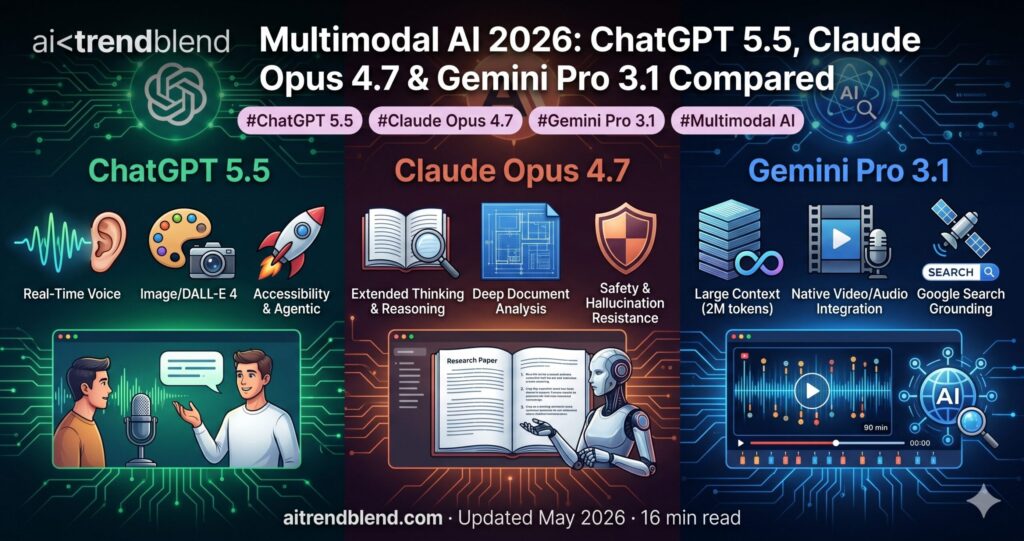
Multimodal AI 2026: ChatGPT 5.5, Claude Opus 4.7 & Gemini Pro 3.1 Compared.

Multimodal AI 2026: ChatGPT 5.5, Claude Opus 4.7 & Gemini Pro 3.1 Compared

Priya had three things open on her screen: a 90-minute product strategy video, a 180-page market research PDF, and a spreadsheet of competitor pricing data. Her deadline was in two hours. Three months ago she would have spent those two…

Multimodal AI 2026: ChatGPT 5.5, Claude Opus 4.7 & Gemini Pro 3.1 Compared Read More »

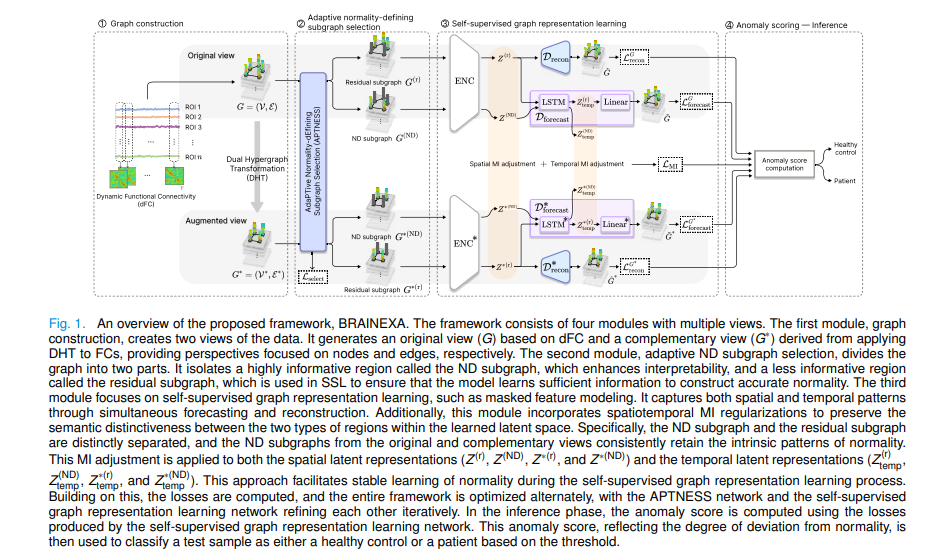
BRAINEXA: Explainable Normative Modeling Detects Brain Disorders from fMRI Without Label.

BRAINEXA: Explainable Normative Modeling Detects Brain Disorders from fMRI Without Label

Korea University researchers built BRAINEXA, an unsupervised normative modeling framework that learns the spatiotemporal fingerprint of healthy brain connectivity from resting-state fMRI, then detects MDD, ASD, ADHD, and Alzheimer’s by measuring deviations — no diagnostic labels required during training, and…

BRAINEXA: Explainable Normative Modeling Detects Brain Disorders from fMRI Without Label Read More »

Diff-Def: Diffusion-Generated Deformation Fields for Conditional Brain Atlases.

Diff-Def: Diffusion-Generated Deformation Fields for Conditional Brain Atlases

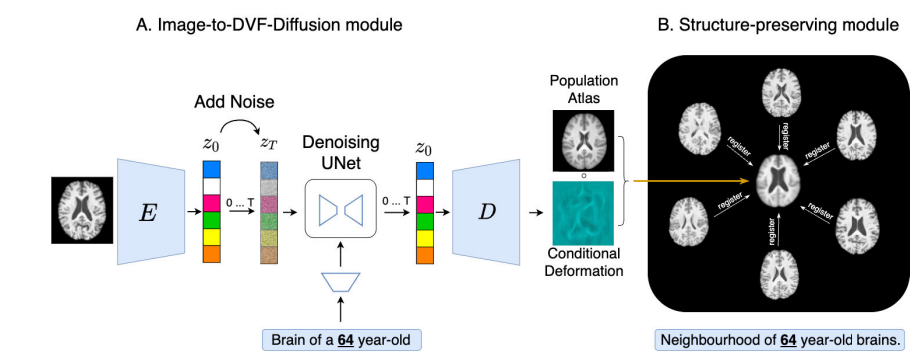
Researchers from TU Munich and Imperial College London built a latent diffusion model that generates deformation fields — not intensities — to morph a general population brain atlas into condition-specific ones, producing sharper, more anatomically faithful, and fully interpretable atlases…

Diff-Def: Diffusion-Generated Deformation Fields for Conditional Brain Atlases Read More »

Railway Sinkhole Detection with Physics-Informed Synthetic Data and SuperPoint Transformer.

Railway Sinkhole Detection with Physics-Informed Synthetic Data and SuperPoint Transformer

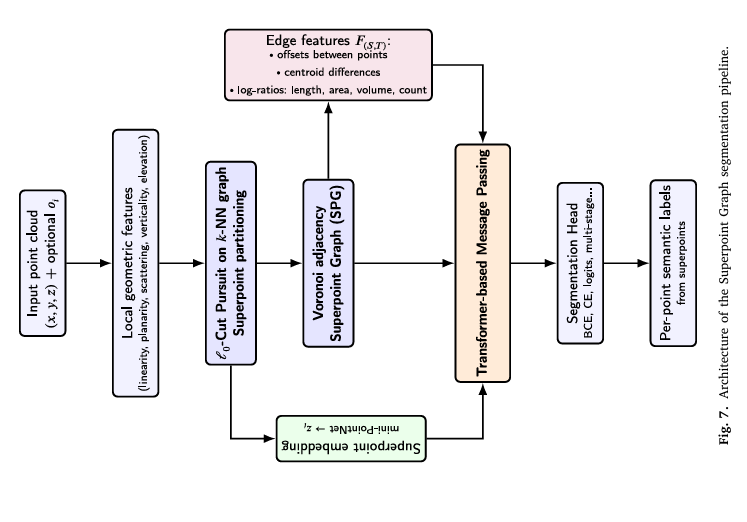
When you only have a handful of real sinkhole examples, you either accept poor detection or get creative about generating training data. Researchers at Arts et Métiers ParisTech and SNCF Réseau chose the latter — building physics-informed synthetic sinkholes, embedding…

Railway Sinkhole Detection with Physics-Informed Synthetic Data and SuperPoint Transformer Read More »