Machine Learning

Machine learning sits at the core of everything we cover at AI Trend Blend. This section gathers our research breakdowns, method explainers, and practical analyses across supervised, self-supervised, and generative learning, with a steady focus on the ideas that actually move results rather than the noise around them. You will find work spanning optimization, model architectures, training dynamics, and the theory that explains why modern systems behave the way they do, written for readers who want depth without filler.

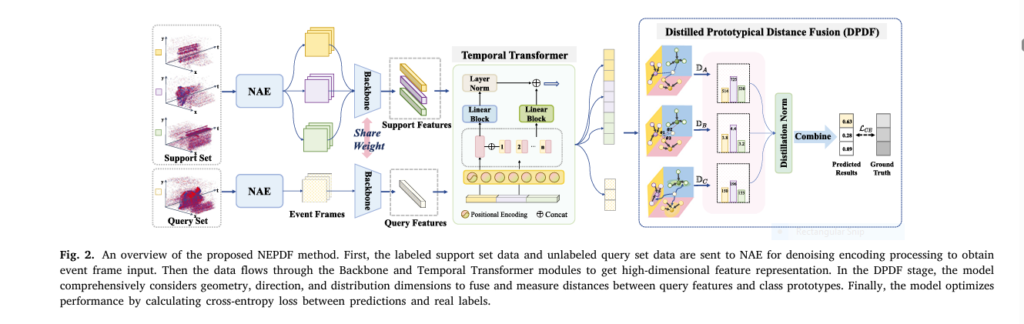
Event-Based Action Recognition: The Future of AI Vision Systems

7 Revolutionary Ways Event-Based Action Recognition is Changing AI (And Why It’s Not Perfect Yet)

Artificial Intelligence (AI) has made significant strides in recent years, especially in the realm of computer vision . One of the most exciting developments in this space is event-based action recognition , a novel approach that leverages event cameras to…

7 Revolutionary Ways Event-Based Action Recognition is Changing AI (And Why It’s Not Perfect Yet) Read More »

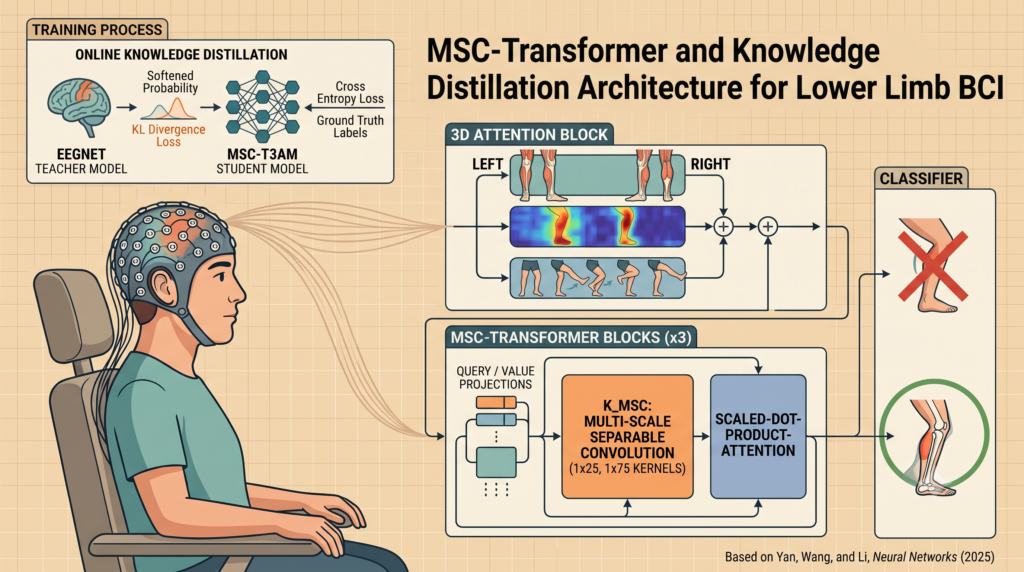
How a Transformer MSC-T3AM Learns to Tell Your Left Leg From Your Right on EEG.

How a Transformer MSC-T3AM Learns to Tell Your Left Leg From Your Right on EEG

Motor imagery research has a long history, and most of it points at the hands. You imagine gripping something, a classifier tries to figure out which hand you meant, and there are entire competition datasets built around exactly that setup.…

How a Transformer MSC-T3AM Learns to Tell Your Left Leg From Your Right on EEG Read More »

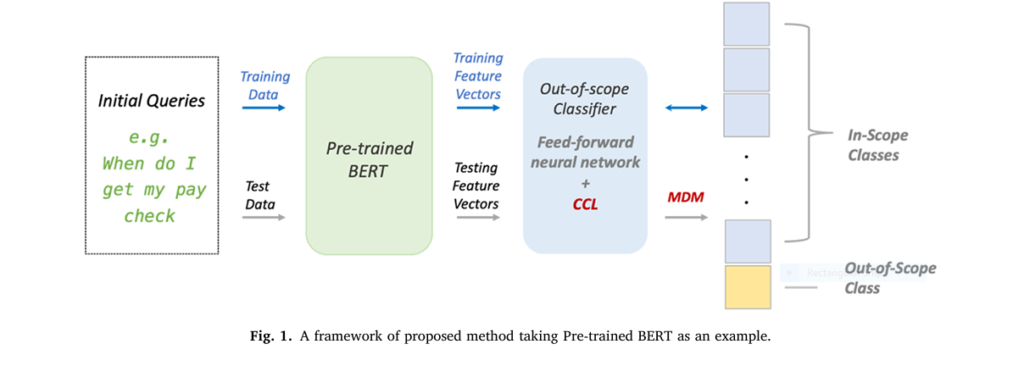
proposed out-of-scope detection framework

7 Revolutionary Ways to Boost Out-of-Scope Detection in Dialog Systems (With Math You Can’t Ignore!)

In the rapidly evolving world of artificial intelligence, dialog systems have become a cornerstone of modern customer service, virtual assistants, and chatbots. These systems rely heavily on intent classification to understand and respond to user queries. However, one of the…

7 Revolutionary Ways to Boost Out-of-Scope Detection in Dialog Systems (With Math You Can’t Ignore!) Read More »